
Last updated November 22, 2026
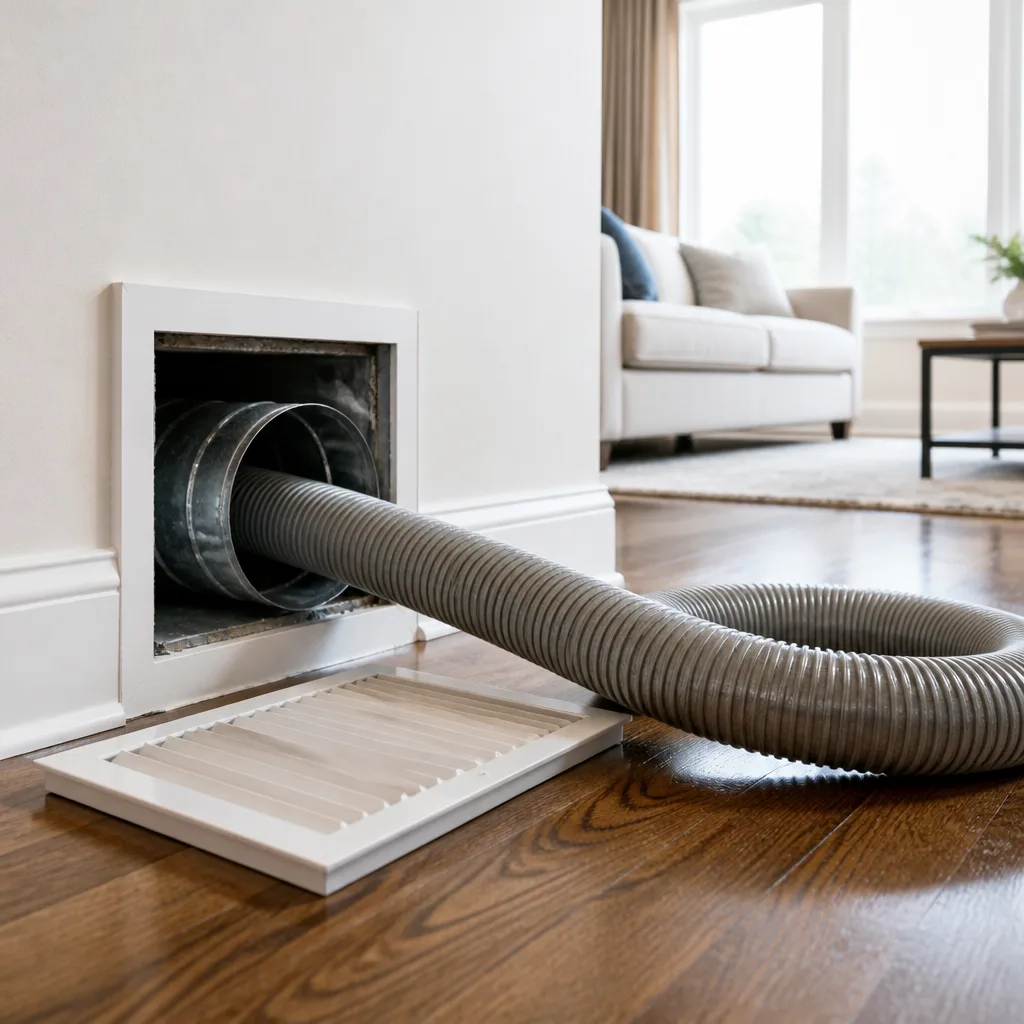 Whole-home duct cleaning
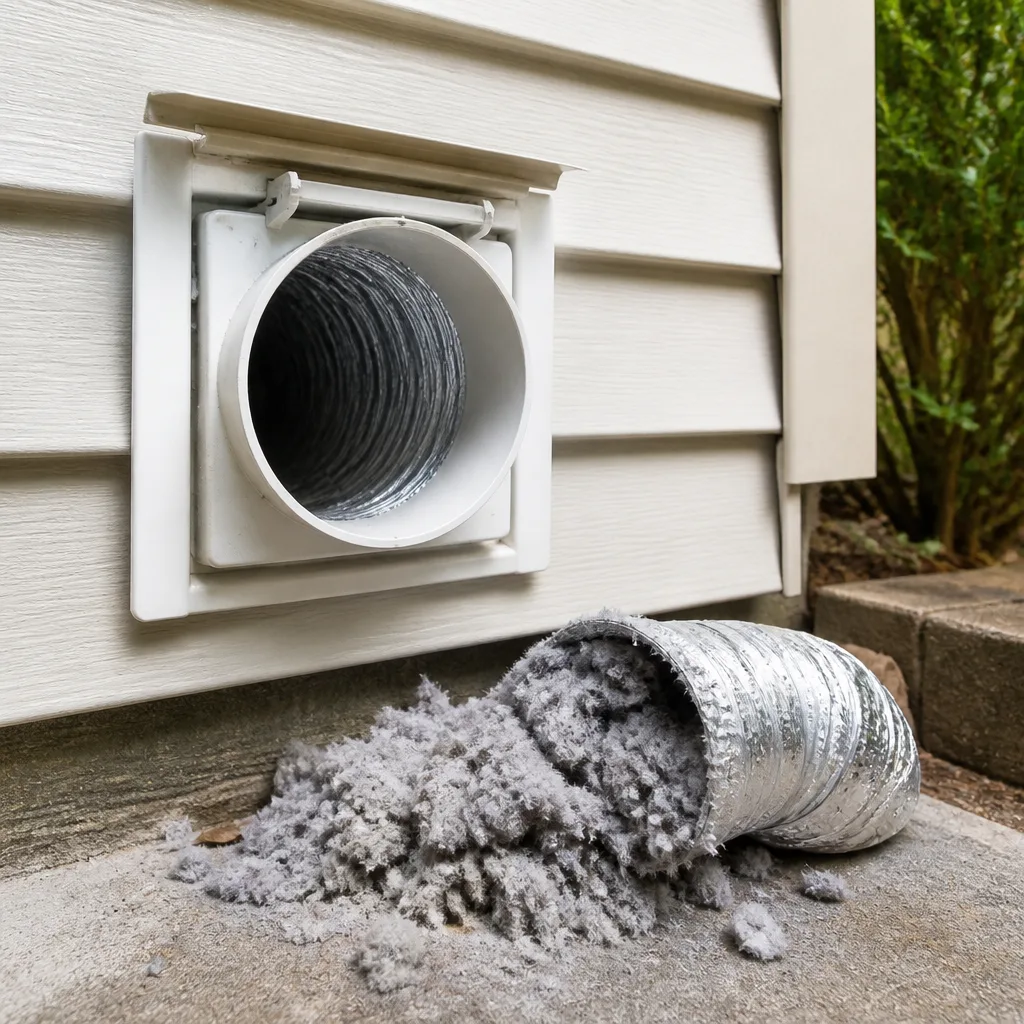 Dryer vent cleaning
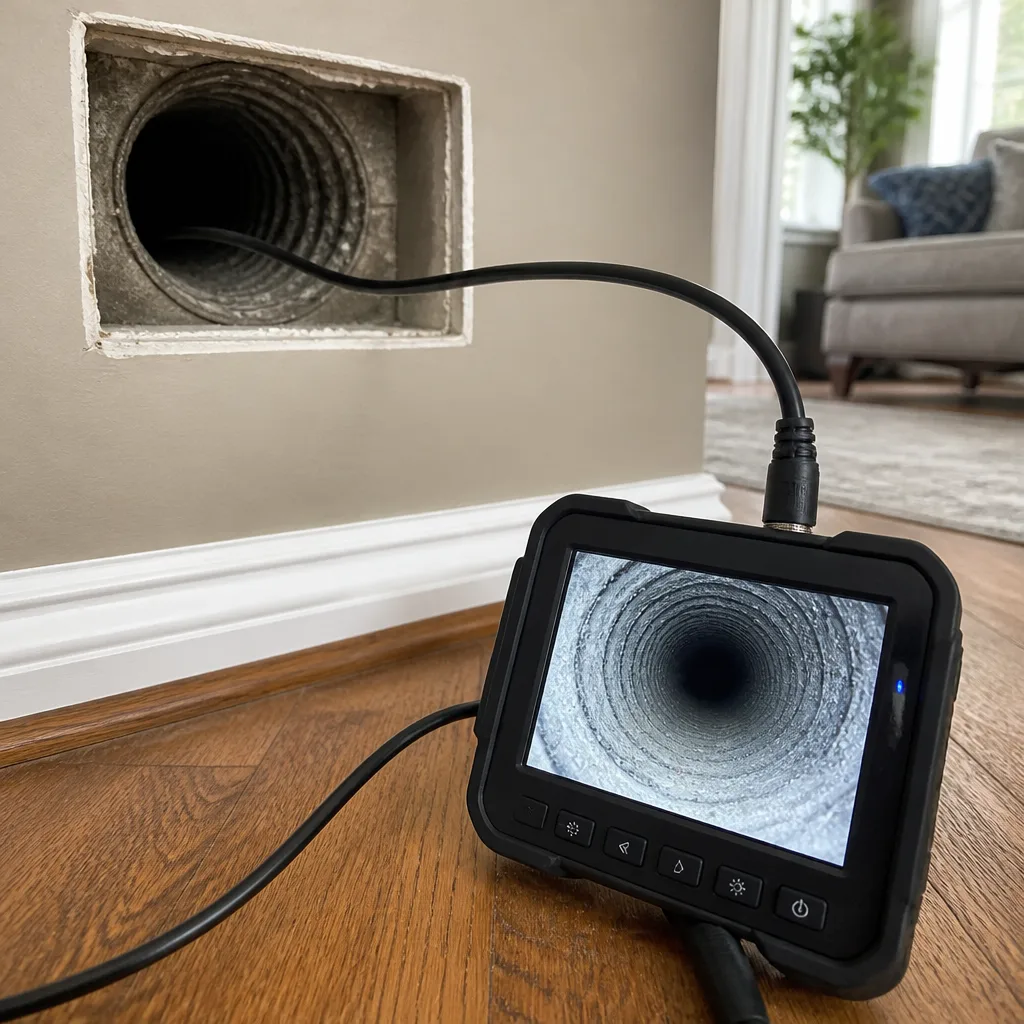 Camera inspection
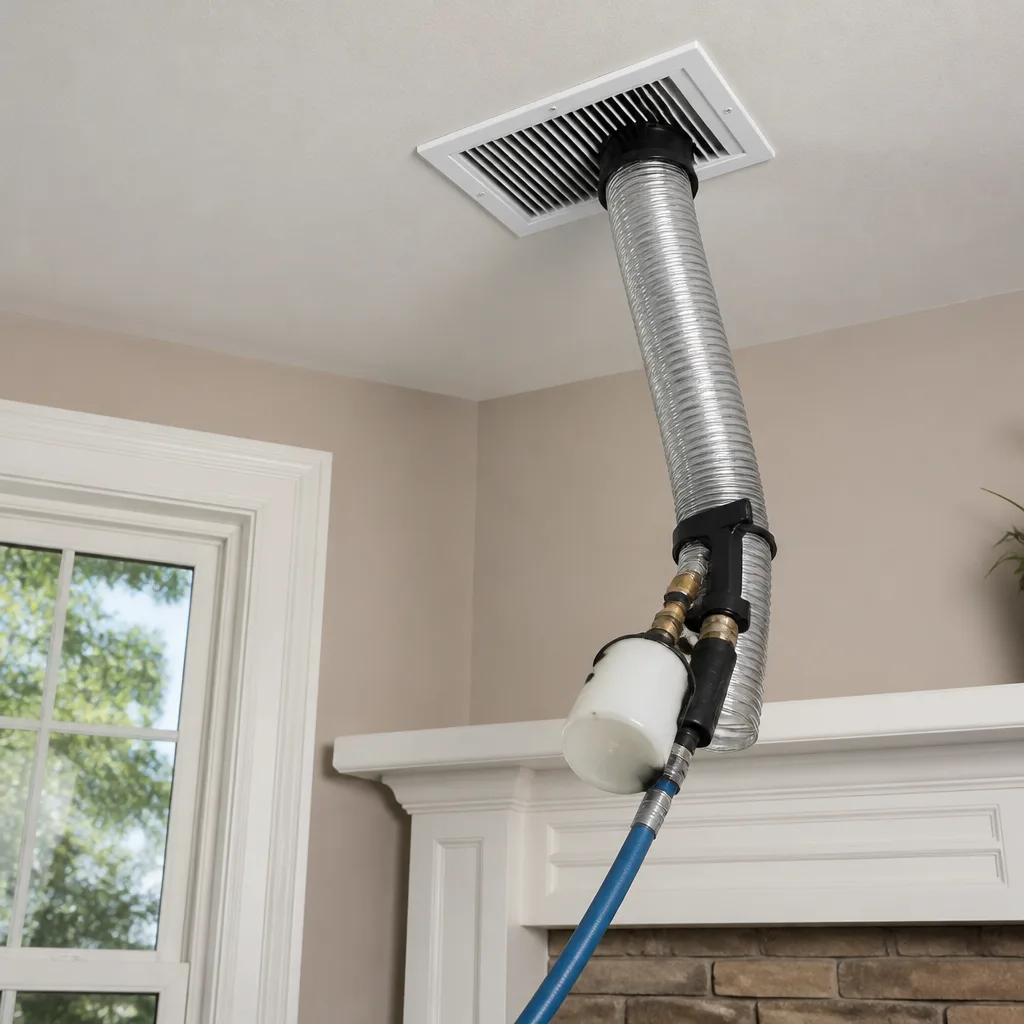 Sanitizing & deodorizing
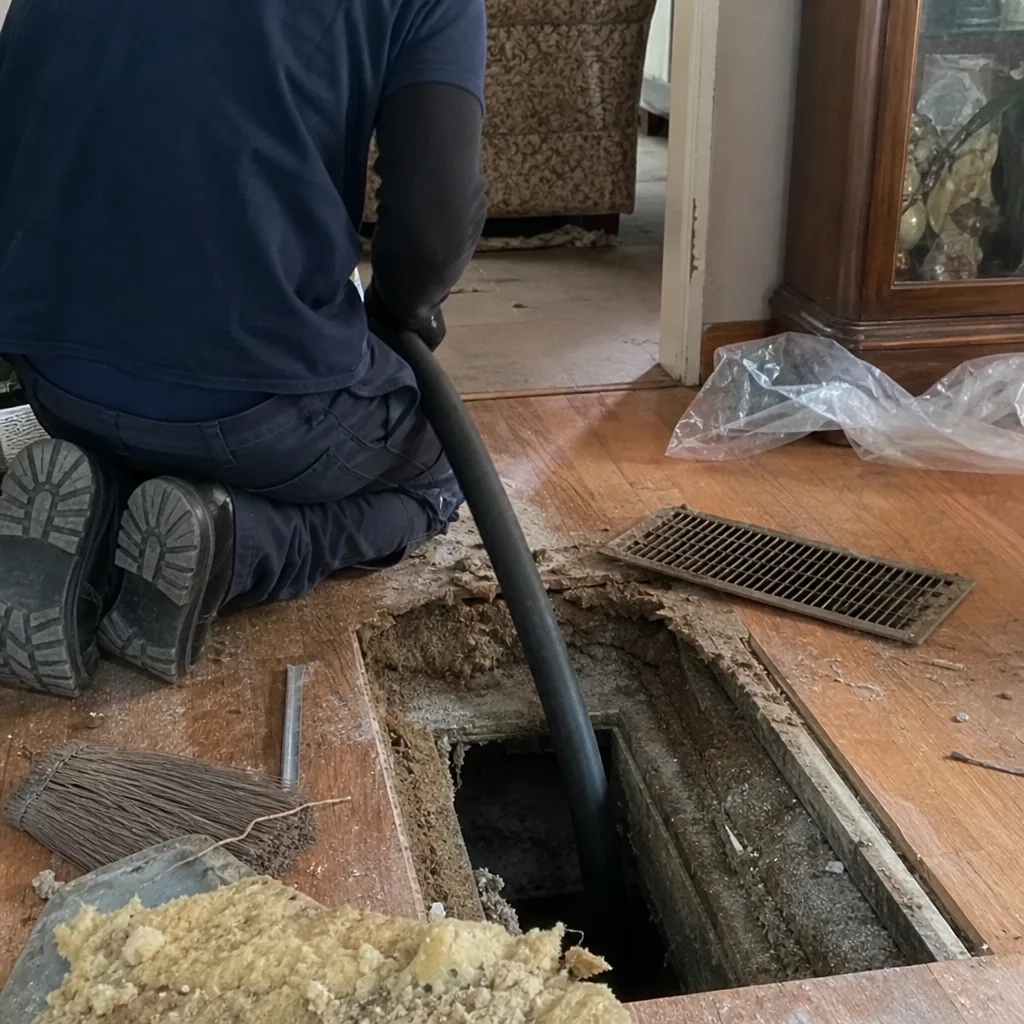
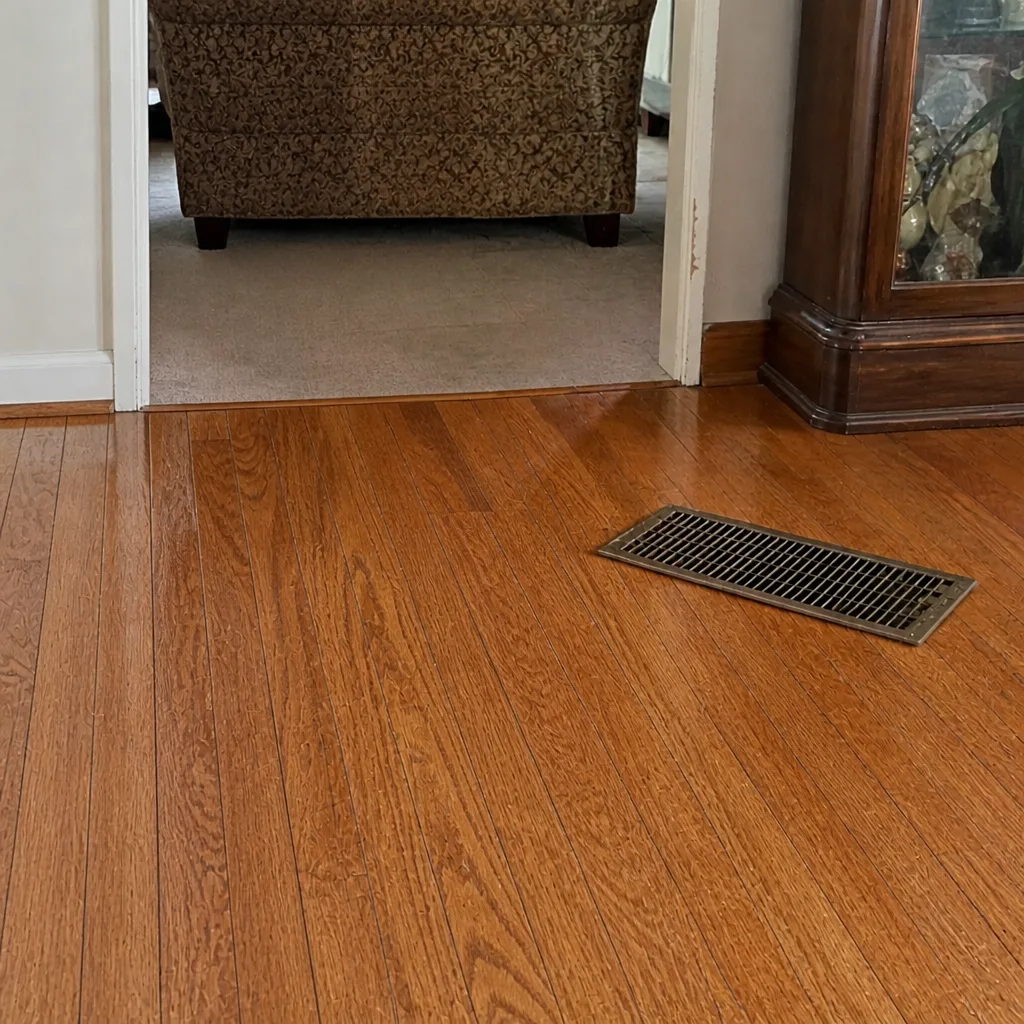
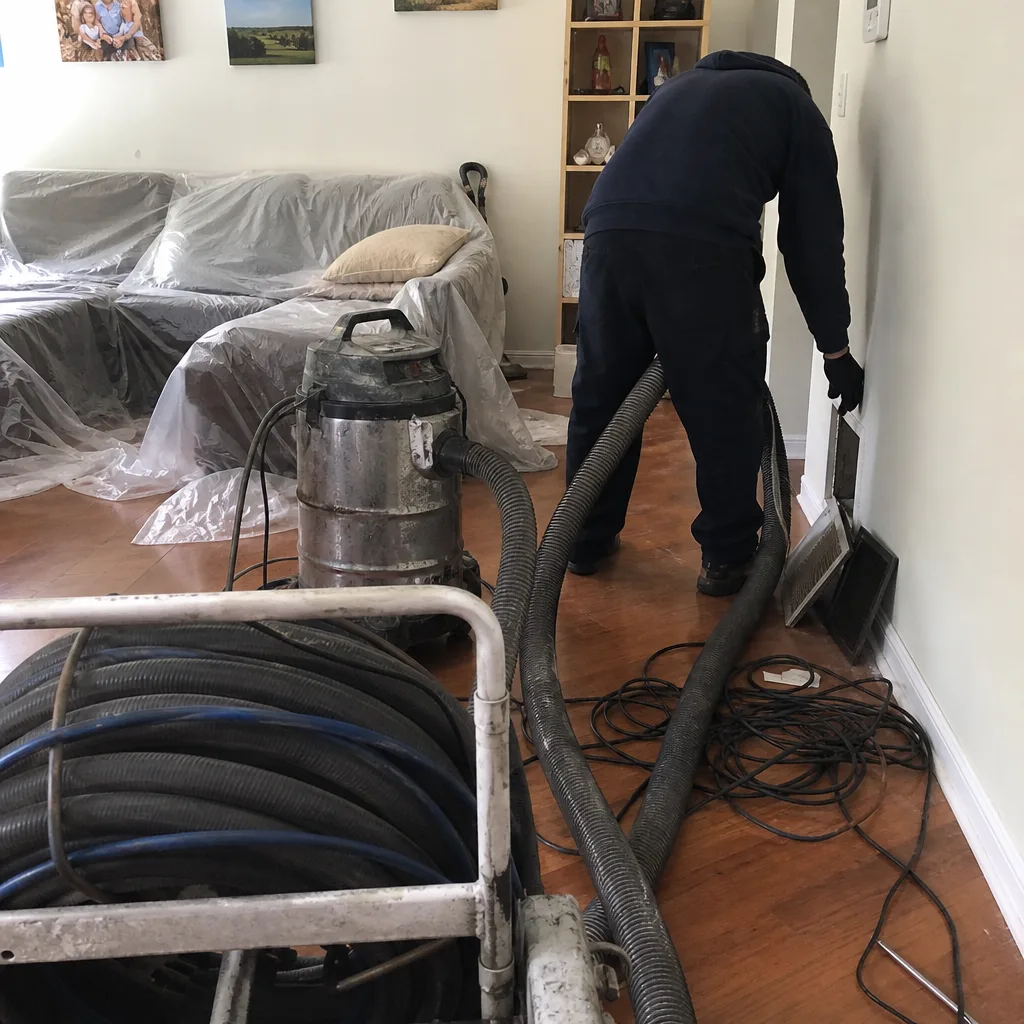
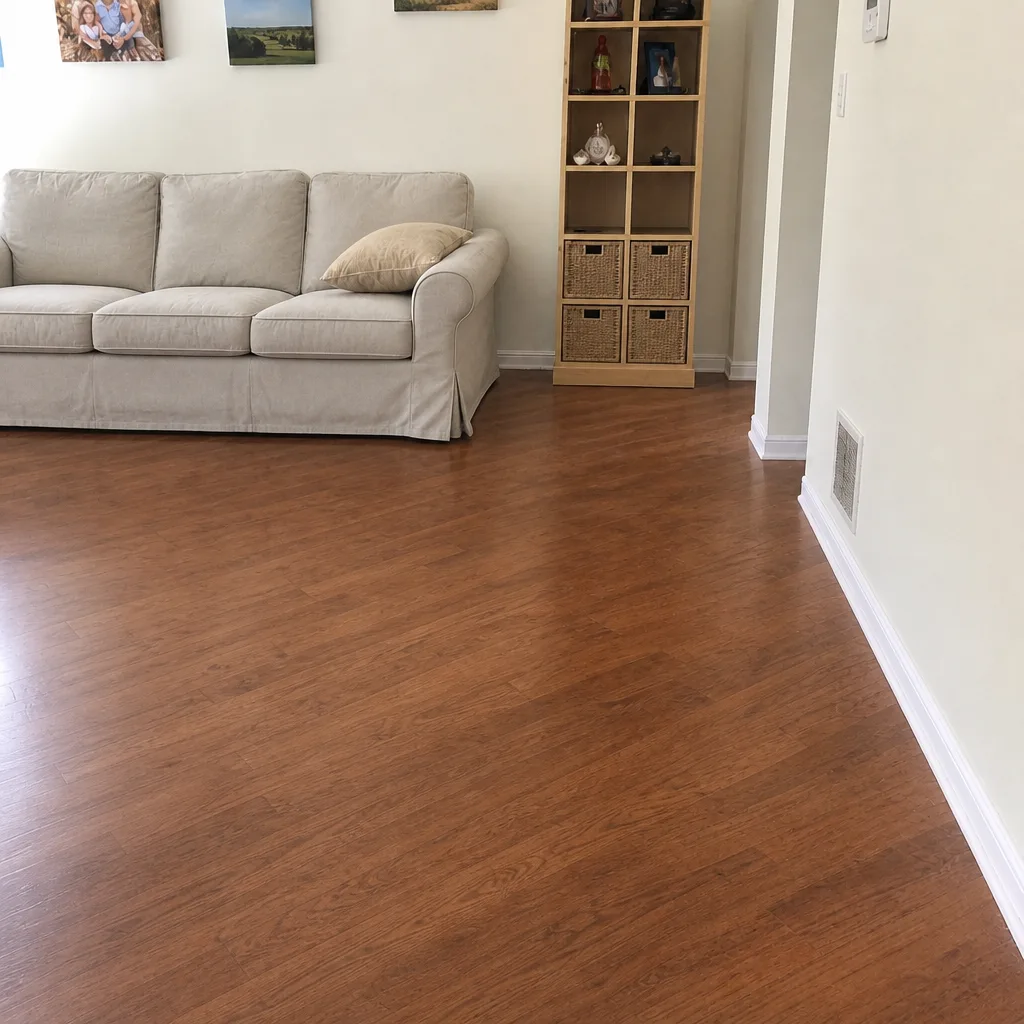
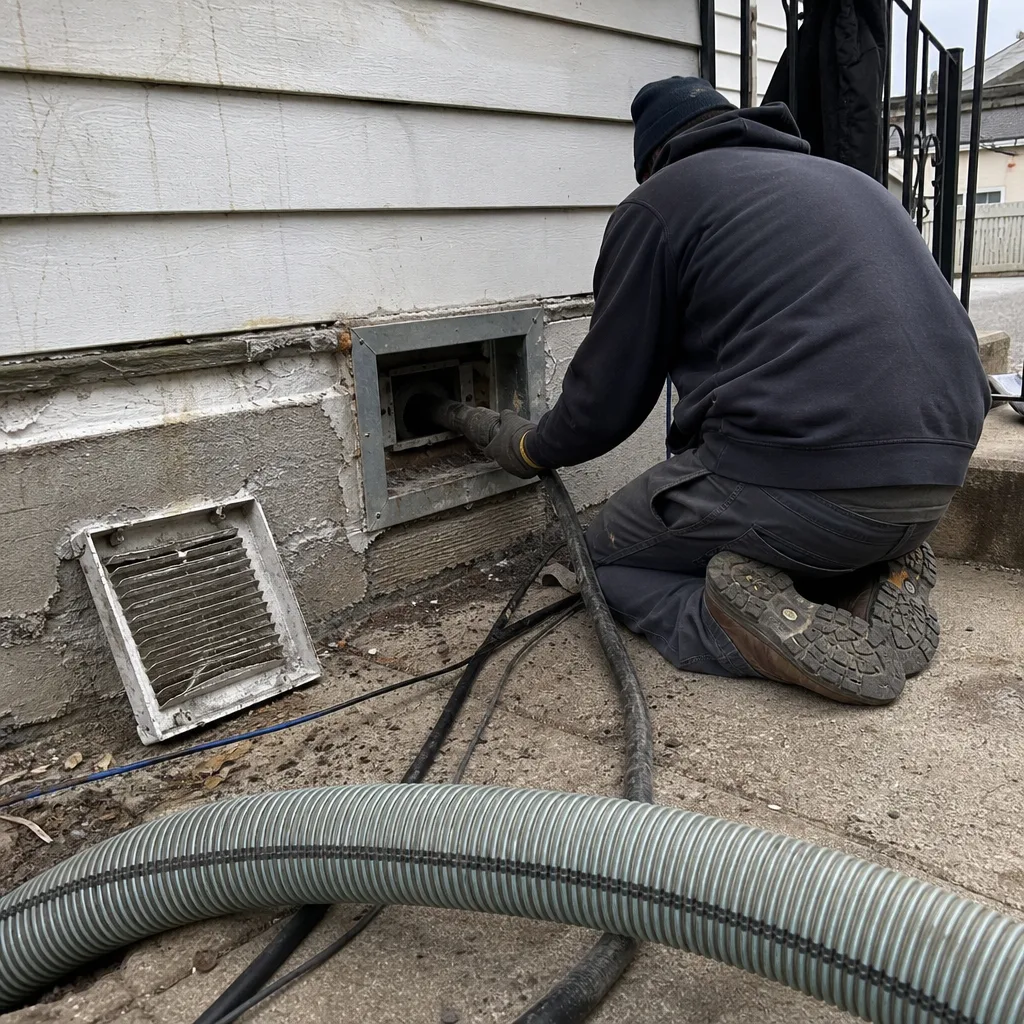
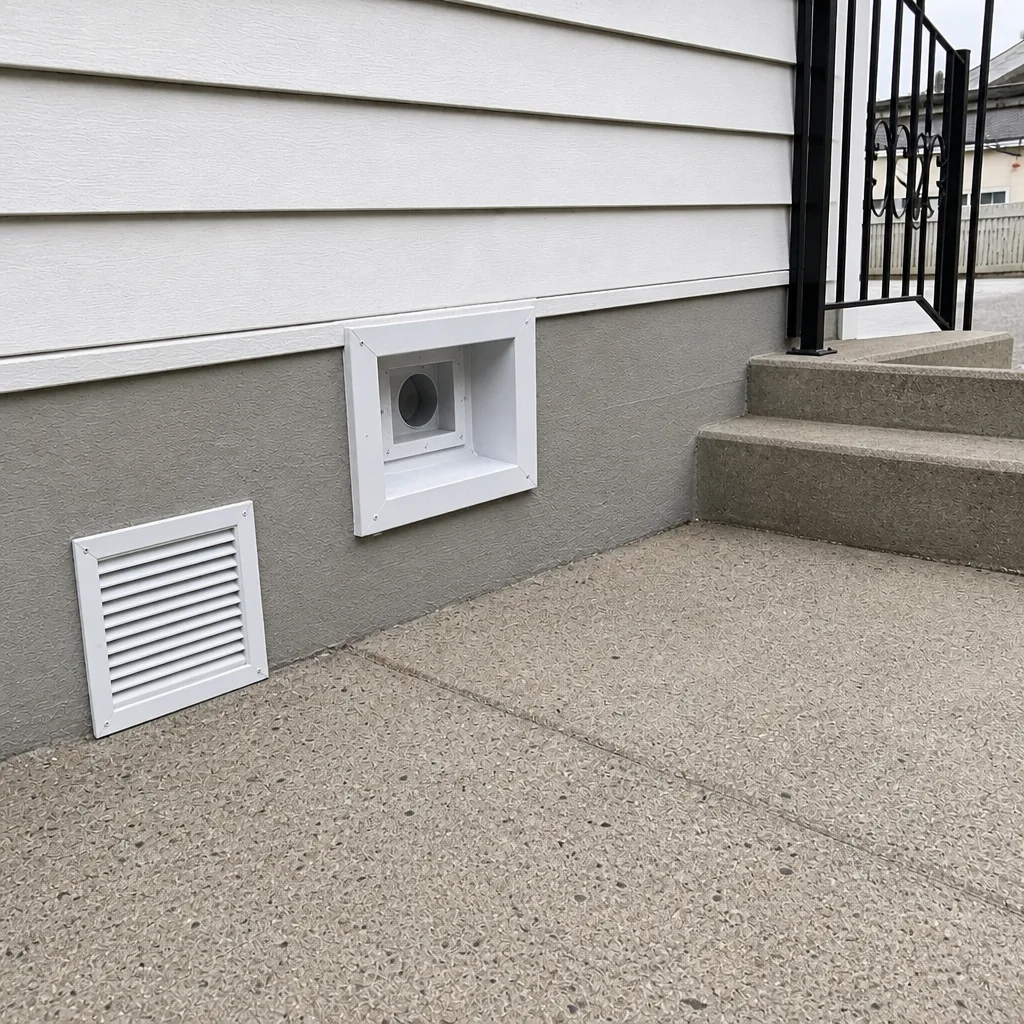
Whole-system duct and dryer vent check with before-and-after photos - you see exactly what came out of your vents
That "$99 whole-house special" is a bait ad - the real number appears once they are in your hallway, or the "clean" is a shop-vac at the register. We photograph the inside of your ducts before and after instead.
Air Duct Cleaning Maintenance Checklist for Sunnyside Homeowners
Most homeowners wait until something smells wrong. A musty odor from the hallway register, a fresh coat of dust settling on the coffee table an hour after cleaning, or a heating bill that quietly climbs through January. By the time those signals show up, the duct system has usually been running below par for months. That’s the trap: duct problems are patient. They don’t announce themselves. They accumulate.
What follows is the maintenance rhythm we’d recommend to our own neighbors in Sunnyside, NY. Some of it you can handle with a filter and a flashlight. Some of it needs professional equipment and a trained eye. We’ll draw that line clearly so you know when to grab a screwdriver and when to make a call.
Quick Answer
A practical air duct maintenance checklist for a Sunnyside home includes changing filters every 60 to 90 days (more often in high-traffic households), vacuuming supply and return grilles monthly, checking for visible dust streaks or gaps at seams, and booking professional air duct cleaning every three to five years. The checklist also covers dryer vent cleaning once a year and HVAC cleaning at the same time so the whole system gets addressed together.
Styles & brands we work with
- Whole-home duct cleaning
- Dryer vent cleaning
- Camera inspection
- Sanitizing & deodorizing
Table of Contents
- Why Duct Maintenance Follows a Rhythm, Not a Reminder
- Your Year-Round Sunnyside Duct Maintenance Calendar
- The Filter Schedule That Fits Queens Air, Not a Label
- What to Look For at Registers and Return Grilles
- DIY Tasks vs. Technician Tasks: A Clear Divide
- When to Log a Service Call vs. When to Monitor
- How to Document Your Ducts Over Time
- Dryer Vent and HVAC: The Two Systems Homeowners Forget
- Common Mistakes to Avoid
- When to Call a Professional
- Frequently Asked Questions
- The Bottom Line
Why Duct Maintenance Follows a Rhythm, Not a Reminder
Duct systems don’t fail on a schedule. They fail in the gaps between inspections. A filter that’s two months past due, a return grille that hasn’t been pulled in a year, a seam that opened behind a wall cavity and has been sucking attic-adjacent air into the supply since last winter. None of these are dramatic. All of them add up.
The reason a calendar beats a gut feeling is simple: a home’s duct system is out of sight almost all the time. You interact with it through registers, a thermostat, and the sound of air moving. That’s a narrow window into a large system. A rhythm catches the small things before they compound.
In Sunnyside, that rhythm has some local character. The neighborhood sits in western Queens, in a housing stock that runs from early-1900s attached rowhouses to mid-century apartment buildings to newer construction near the 7 train corridor. Older homes often have original or partially replaced ductwork with seams that have been taped, patched, and taped again. Newer homes tend to have tighter systems but flexible duct runs that can sag or kink if they were installed poorly. Both types benefit from the same basic maintenance cadence, just with different things worth watching.
We’ve built our service around the idea that a maintenance rhythm is only useful if a homeowner can actually follow it. That’s why the checklist below splits cleanly into what you can do yourself and what needs professional equipment. Sunnyside Air Duct Cleaning exists to cover the second half – not to replace your own diligence, but to close the gap between inspections.
Your Year-Round Sunnyside Duct Maintenance Calendar
Sunnyside’s seasons put different stresses on the duct system, and the maintenance calendar should match. This isn’t a generic quarterly list borrowed from a national HVAC chain. It’s built around what actually happens in Queens over a year.
Spring (March through May): Pollen Season
Tree pollen in Queens peaks in April and May. That’s exactly when the system starts switching from heating to cooling, which means all the debris that settled in the ducts over winter gets picked up and pushed into the living space. Spring is the right time to:
- Replace the filter at the start of the season, not on a fixed 90-day timer.
- Pull and visually inspect supply registers for visible dust accumulation.
- Wipe the return grille faces with a damp microfiber cloth.
- Note any new musty or earthy smell within the first few weeks of cooling.
Summer (June through August): Humidity and Condensate
Summer humidity in Sunnyside is high enough that condensation on poorly insulated duct runs becomes a real concern. Moisture inside a duct is where microbial growth starts. Homeowners should watch for:
- Visible condensation or water staining near duct boots in basements or closets.
- A musty smell that intensifies when the AC runs, then fades when it’s off.
- Cold spots or weak airflow from certain registers during cooling season.
Fall (September through November): The Heating Switchover
When the heat comes back on for the first time in October or November, dust that has been sitting in the ducts since spring gets burned off and pushed through the house. That first-day “burning dust” smell is normal for a few minutes. If it persists into the second or third day, something in the system warrants a closer look. Fall is also a good time to schedule any professional cleaning before heating season peaks.
Winter (December through February): Heating Load
Winter puts the system under the heaviest continuous load of the year. Filters load faster, seams that were slightly loose all year can open further, and any imbalance in the system becomes more noticeable because the heat is running constantly. Check filters monthly during the coldest stretch, and listen for new whistling or whooshing sounds that indicate a leak in the system.
The Filter Schedule That Fits Queens Air, Not a Label
Filter manufacturers print a recommended replacement interval on the box. Most of them say something like “every 90 days” or “every three months.” That’s a starting point, not an instruction. Air quality in Queens is not the same as air quality in a rural county, and the filter’s useful life depends on what’s actually in the air it’s filtering.
What that means in practice for a Sunnyside home:
- Standard 1-inch filters: Change every 60 days. In a home with pets, a smoker, or ongoing renovation work nearby, closer to 45 days. Queens sits downwind of dense traffic corridors and has a real particulate load, and 1-inch filters simply don’t have the surface area to stretch the interval.
- 4-inch or 5-inch media filters: Every 4 to 6 months is realistic, but check monthly by holding the filter up to a light. If light no longer passes through easily, it’s done, regardless of what the label says.
- Washable electrostatic filters: Rinse every 30 days. These get visibly clogged faster than most homeowners expect and lose effectiveness quickly once loaded.
The single most useful habit is to write the install date on the filter’s edge with a Sharpie. Then you always know how old the filter is, not how old you think it is. We’ve seen homeowners convinced their filter was changed “a few weeks ago” that turned out to be five months old.
If filters become a constant chore and the air still feels heavy, that’s usually the sign a homeowner is ready for a better filtration setup. We install systems from Honeywell and Aprilaire, both of which use thicker media that hold more dust and last longer between changes. The right filter schedule for a Sunnyside home is often shorter than what the label suggests and sometimes solved by moving to a larger filter rather than changing more often.
What to Look For at Registers and Return Grilles
Registers and return grilles are the only parts of the duct system you can see without opening anything up. That makes them your best early-warning system. What appears at the register is almost always a symptom of what’s happening upstream.
Specific Visual Cues
Walk around the house with a flashlight once a month and look for the following at every register and return:
- Dark streaks radiating out from the louvers. This is usually airborne dust that has been deposited in a fan pattern by moving air. It tells you particulate is escaping into the room, and it points to a dirty supply side or a leak downstream of the filter.
- Fuzzy or matted dust buildup on the grille face. This is more than surface dust. It usually means humid air is carrying heavier particulate, and in summer it can indicate condensation upstream.
- Black or gray staining around the grille frame on drywall. Air leaking past the grille edges pulls dirt from the wall cavity with it. This is a seal issue, not just a dust issue.
- Visible mold or dark spotting inside the boot or on the register face. Stop here and call a professional. This signals moisture in the system and needs proper handling, not a wipe-down.
- Uneven dust patterns between registers. If one register is dirtier than the rest, the problem is usually local to that branch of ductwork.
What Returns Tell You That Supplies Don’t
Return grilles are the entry point for everything the system breathes in. A grille that shows heavy dust accumulation is doing its job of catching debris at the intake, but it’s also a sign that the filter behind it may not be sized to the load. Returns are usually in hallways and common areas, and they tend to accumulate more dust than supply registers because they pull room air directly.
If a return grille looks visually clean but airflow at the supply registers feels weak, the problem is upstream of the grille, inside the ductwork or at the air handler. That’s when a professional inspection becomes worthwhile.
DIY Tasks vs. Technician Tasks: A Clear Divide
The most common mistake we see in Sunnyside homes isn’t skipping maintenance – it’s attempting the wrong maintenance. Some tasks are genuinely homeowner-friendly. Others are the kind of thing that can cost more time and money to undo than it would have cost to hire a professional.
Tasks Homeowners Should Handle
- Change filters. Every 60 days for 1-inch, every 4 to 6 months for media filters, monthly for washables. Keep a written log.
- Vacuum supply and return grille faces. A brush attachment on a household vacuum, once a month, catches dust before it goes airborne again.
- Wipe register louvers with a damp cloth. This removes the sticky film that a dry cloth won’t touch.
- Inspect for visible gaps or torn connections at the register boot. Note anything suspicious. Don’t try to reseal duct runs inside a wall cavity.
- Keep the area around the air handler clear. No boxes, no storage, no blocking of the return path.
- Log observations. A written or photographed record of what you see at each register is the single most useful DIY task because it establishes a baseline.
Tasks That Need a Technician
- Mechanical cleaning of duct interiors. Household vacuums can’t move enough air to pull settled debris out of a long horizontal run. Professional cleaning uses the kind of equipment that actually creates the necessary airflow, which is why we use Rotobrush and Nikro systems built for the job.
- Containment and negative-pressure setup. Proper duct cleaning protects the home during the process, not just the ducts afterward. We use Abatement Technologies containment equipment for exactly that reason.
- Identifying and sealing leaks downstream of the air handler. That work often requires access to sections inside walls or above ceilings.
- Opening and cleaning the air handler and evaporator coil. That’s the HVAC cleaning piece of the job and requires trained technique plus coil-safe products.
- Sanitizing after a moisture event or suspected microbial growth. A spray bottle of disinfectant isn’t the answer; the process needs Guardsman-grade sanitizing products and proper containment.
- Dryer vent cleaning. The dryer vent needs more than a lint trap. Interior buildup can’t be reached from behind the appliance.
The dividing line is simple: anything that requires opening the system or moving large volumes of air goes to a technician. Anything that lives on the surface and around the system stays with you.
When to Log a Service Call vs. When to Monitor
Homeowners tend to swing between two extremes: calling at the first speck of dust or waiting until the ceiling darkens. There’s a useful middle. Here’s a simple decision path we’ve refined through our years of working in Queens homes.
The Decision Tree
- Do you see visible mold or smell a persistent damp, musty odor near a register? Service call. Today.
- Is airflow at one or more supply registers noticeably weaker than the rest? Service call within two weeks. This usually points to a collapsed or disconnected duct run.
- Have you found visible gaps, tears, or separated seams? Service call. Sealing the leak stops both energy loss and dirt entry.
- Does the dust on your grilles return within a week after cleaning? Service call. Something upstream is actively shedding debris.
- Are you past the 3 to 5 year mark since last professional cleaning? Book it. You don’t need a symptom.
- Is a single register showing moderate dust and everything else looks fine? Monitor. Wipe it down, log it, and recheck in two weeks.
- Did a single room just feel stuffy for a couple of days, then return to normal? Monitor. Seasonal changes cause this.
The decision tree above covers 90% of the cases we talk through with Sunnyside homeowners by phone. The two categories homeowners most often get wrong: they wait on weak airflow (which rarely improves on its own) and they over-call on moderate surface dust (which is usually seasonal).
One specific note for Sunnyside: if you’re in an attached rowhouse, remember that you share wall cavities with neighbors in ways detached homeowners don’t. A leak inside your duct system can pull air from a shared cavity, which means the residue you see at a register isn’t necessarily coming from your own HVAC system. That’s a service-call-worthy puzzle, not a monitor situation.
See the difference
 Before
 After
 Before
 After
 Before
 After
How to Document Your Ducts Over Time
The single thing that will help you more than any checklist is a record. Duct condition is a slow-moving story, and without a baseline you have no way to compare what’s different. When professional cleaning is done, “before and after” photos tell a much cleaner story when you already have a documented starting point from months earlier.
A Simple Documentation System
- Create a single folder on your phone or computer labeled “Ducts – [Your Address].”
- Once a month, photograph each return grille, the most-visited supply register in the house, and a wide shot of the air handler area.
- Write the date and filter install date in a simple note file or on the back of a printed checklist.
- Log any service event – HVAC work, filter upgrade, professional cleaning – with the date and what was done.
- Note anything unusual in text: “noticed whistling at upstairs return” or “register in back bedroom noticeably dustier than others.”
The value of this system shows up when you hire professional cleaning. Before-and-after photos are the number one way to confirm the work was actually done, and they’re one of the things we build into every job. If you’ve kept your own pre-cleaning photos, comparing them against the after photos gives you undeniable proof of the change, plus a baseline you can point to next time to see how fast things re-accumulate in your specific home.
For property managers and landlords handling multiple Sunnyside units, this system scales. A simple file per unit, with dated photos and service history, becomes a legitimate record for any tenant concern or inspection.
Dryer Vent and HVAC: The Two Systems Homeowners Forget
Two components of a complete home air system get skipped on almost every maintenance checklist: the dryer vent and the HVAC equipment itself. Both are worth a dedicated annual slot.
Dryer Vent: Annual Safety Item
Dryer vent cleaning is a fire-safety task, not a convenience task. Lint buildup inside the vent restricts airflow, which causes the dryer to run hotter and longer, which loads the vent with more lint. Once a year is the right cadence for most households. More often if you dry heavy loads frequently, or if you notice clothes taking longer to dry, the dryer itself feeling hot to the touch on top, or a burnt smell when the dryer is running. Those are all airflow restriction signals. This is a job for a technician with the right equipment; a shop vac attachment can’t reach deep enough.
HVAC Cleaning: Same Visit, Same System
Cleaning the ducts without cleaning the components that move the air is a partial job. The air handler, blower, and evaporator coil accumulate the same debris as the ducts, and if they’re dirty, the ducts get dirty again faster. We schedule HVAC cleaning as part of the same visit whenever the homeowner wants it done together, which is the majority of the time. It avoids having the system disassembled twice.
If you’re already investing in professional filtration or a whole-home air cleaner – the kind of system we install from Honeywell and Aprilaire – the maintenance on the HVAC side matters more, not less. Cleaner air upstream means the filtration equipment can do its job without fighting a dirty system.
Common Mistakes to Avoid
- Trusting the filter interval on the box. A 90-day filter in a Queens home is often a 60-day filter. The label is written for national distribution, not for the particulate load of a neighborhood adjacent to dense traffic corridors and heated in a shared rowhouse envelope.
- Assuming clean-looking registers mean clean ducts. Registers catch what escapes. Most dust stays inside the runs. The only way to know what’s in the ducts is a proper inspection or a professional cleaning.
- Resealing duct seams with consumer-grade tape. Standard “duct tape” fails quickly at HVAC temperatures. A short-term fix done wrong becomes a longer, more expensive repair.
- Skipping the return grilles. Homeowners vacuum supply registers and ignore the returns. The returns take the heaviest dust load and tell the most about the system’s health.
- Hiring the cheapest quote. Low-bid cleaning often means a shop vac and no containment. That can redistribute dust into the home rather than removing it. Ask about the equipment and whether containment is part of the process.
- Forgetting the dryer vent altogether. It’s the same house, the same air concern, and a genuine safety issue. Treat it as part of the annual rhythm, not a separate chore.
- Waiting for a smell. The most common mistake is the one at the top of this guide: waiting for symptoms instead of following a calendar. By the time the smell shows up, the problem is already months old.
When to Call a Professional
Call a professional if any of these applies: visible mold inside a duct or at a register; persistent musty smell that intensifies with the HVAC running; noticeably weak or uneven airflow; visible gaps or tears in accessible duct sections; the home hasn’t had a professional duct cleaning in 3 to 5 years; the dryer takes noticeably longer than it used to; or you’re moving into a home where the previous owner’s maintenance history is unknown. Those last two are the ones homeowners skip and later regret.
Sunnyside Air Duct Cleaning offers free estimates in Sunnyside – call (877) 792-6029. Our technicians have up to 9 years of experience, and we bring the professional equipment the job requires: Rotobrush and Nikro machines for the cleaning, Abatement Technologies containment to protect the home during the process, and Guardsman-grade sanitizing products when they’re needed. We show our work, including before-and-after photos so you can see exactly what changed.
For a broader view of what we do and how we approach the full duct-health lifecycle, that’s covered on the main page for Sunnyside Air Duct Cleaning.
Frequently Asked Questions
Every 3 to 5 years for most homes, sooner if you have pets, allergies, or a recent renovation. The specific rhythm matters less than establishing one; a home that gets cleaned every 4 years will outperform one that gets cleaned “when it starts looking bad,” because the second home is always answering a problem that already developed.
Not recommended. The dryer vent is a fire-safety system, not a convenience item, and it accumulates lint at a rate independent of the duct system. Annual dryer vent cleaning is a different job on a different schedule. If you’re booking duct cleaning, book the vent cleaning on the same visit and get both done. Call (877) 792-6029 for a free estimate on either or both.
Professional cleaning uses machines purpose-built to create high-velocity airflow inside the duct system, plus containment equipment to keep the home clean during the process. A shop vac can’t move enough air to pull settled debris out of a full-length duct run, and without containment, dust can re-enter the room. The equipment is the difference between removing debris and rearranging it. The Rotobrush and Nikro systems we use are the professional-tier tools, and Abatement Technologies containment is what keeps the home protected while the work is done.
Before-and-after photos of your own system. That’s the single strongest proof. Ask for them before you book, so you know they’re part of the standard process, not an optional add-on. A professional can also show you what was pulled out of the system and point to specific areas that were addressed. If a contractor won’t show you the work, that tells you a lot.
Usually because the equipment or the process is smaller than the job. A low quote often reflects a consumer-grade vacuum and no containment, sometimes with the actual duct runs skipped in favor of a quick surface wipe. The visible work looks the same from the driveway. The result is not. Ask every contractor what equipment they use and whether containment is part of the process before comparing quotes on price alone.
Yes, because they hold more dust and last longer between changes, which is a real advantage in a neighborhood with meaningful traffic particulate load. Thicker media filters capture finer particles and don’t clog as fast as 1-inch filters, so the filter replacement interval that works for a Sunnyside home becomes practical rather than a constant chore. Sunnyside Air Duct Cleaning installs both systems, and we can tell you which one fits your existing ductwork and air handler. Call (877) 792-6029 to talk through options with a free estimate.
The Bottom Line
Duct maintenance is a rhythm, not a repair. The checklist points that matter most: change filters on a Queens-appropriate schedule (60 days for 1-inch, monthly for washables), inspect registers and returns monthly for the specific visual cues described above, log observations with dated photos to build a baseline, and book professional cleaning every 3 to 5 years whether or not you have a symptom. Add dryer vent cleaning annually as a safety task, roll HVAC cleaning into the same visit when professional cleaning is booked, and use the decision tree above when you’re unsure whether to call. Everything else is detail.
Contact
If you’ve worked through this checklist and you’re ready to book the professional half of the job, call (877) 792-6029 for a free estimate. We answer 24/7. Fast dispatch from 7am to 7pm, Sunday through Friday. Our estimates are free, pricing is set per job by the written estimate, and before-and-after photos are part of every cleaning so you can see exactly what changed. Get started with air duct cleaning, dryer vent cleaning, or HVAC cleaning in Sunnyside, NY, and we’ll build the right maintenance plan for your home.
Written by the team at Sunnyside Air Duct Cleaning.