
Last updated November 22, 2026
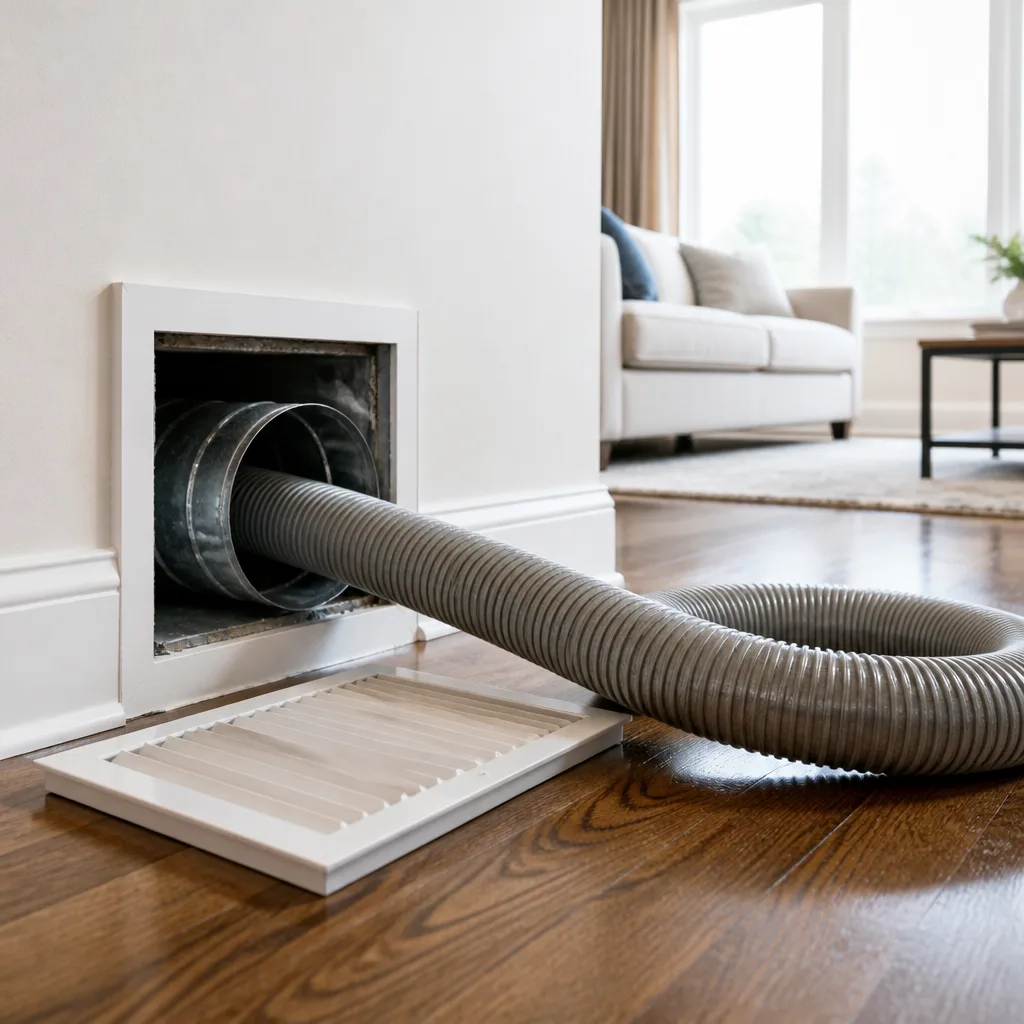 Whole-home duct cleaning
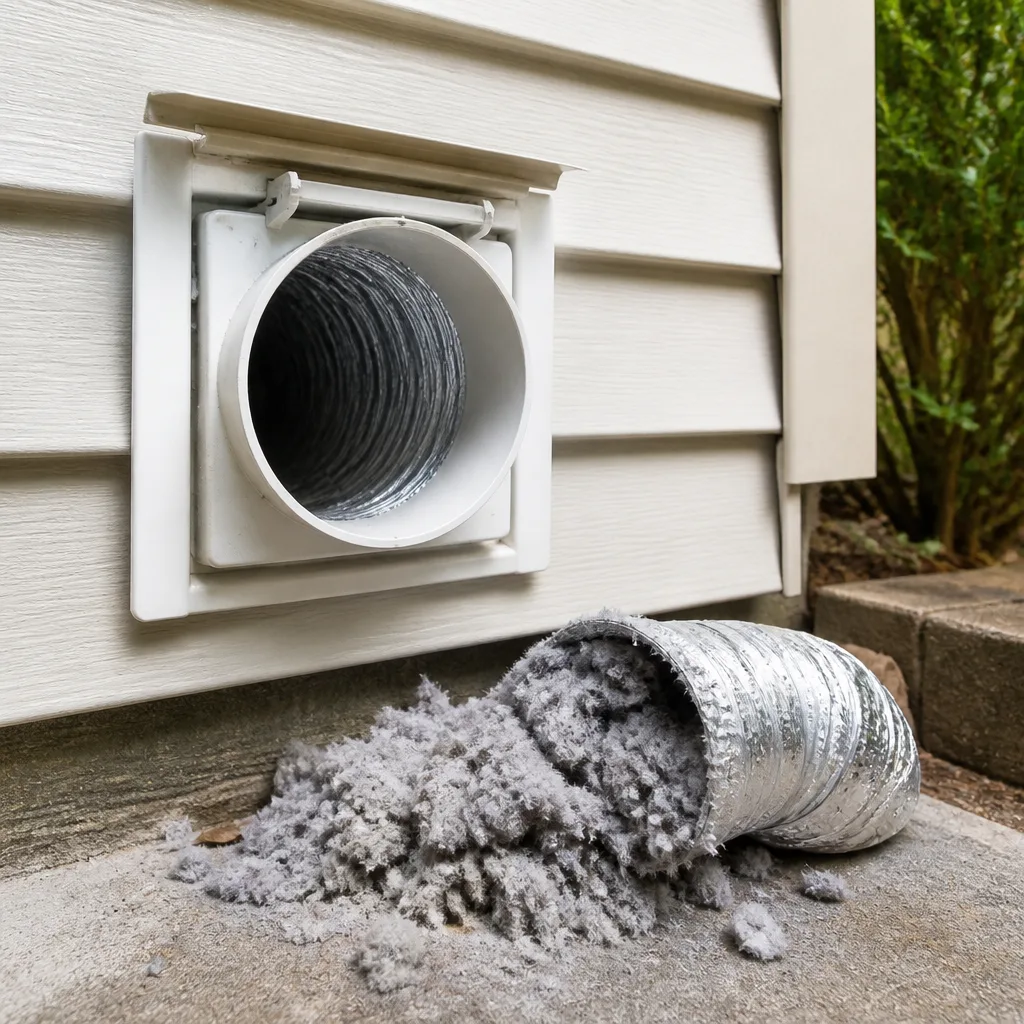 Dryer vent cleaning
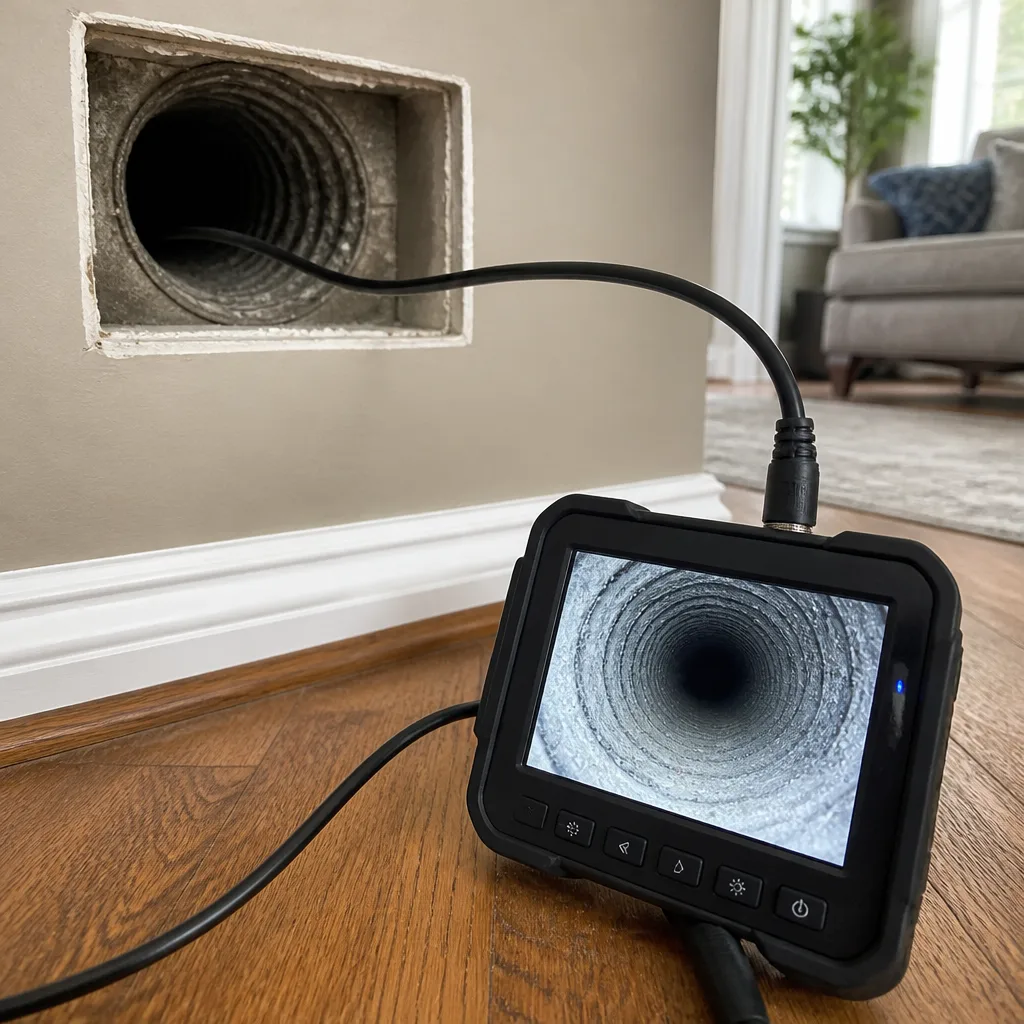 Camera inspection
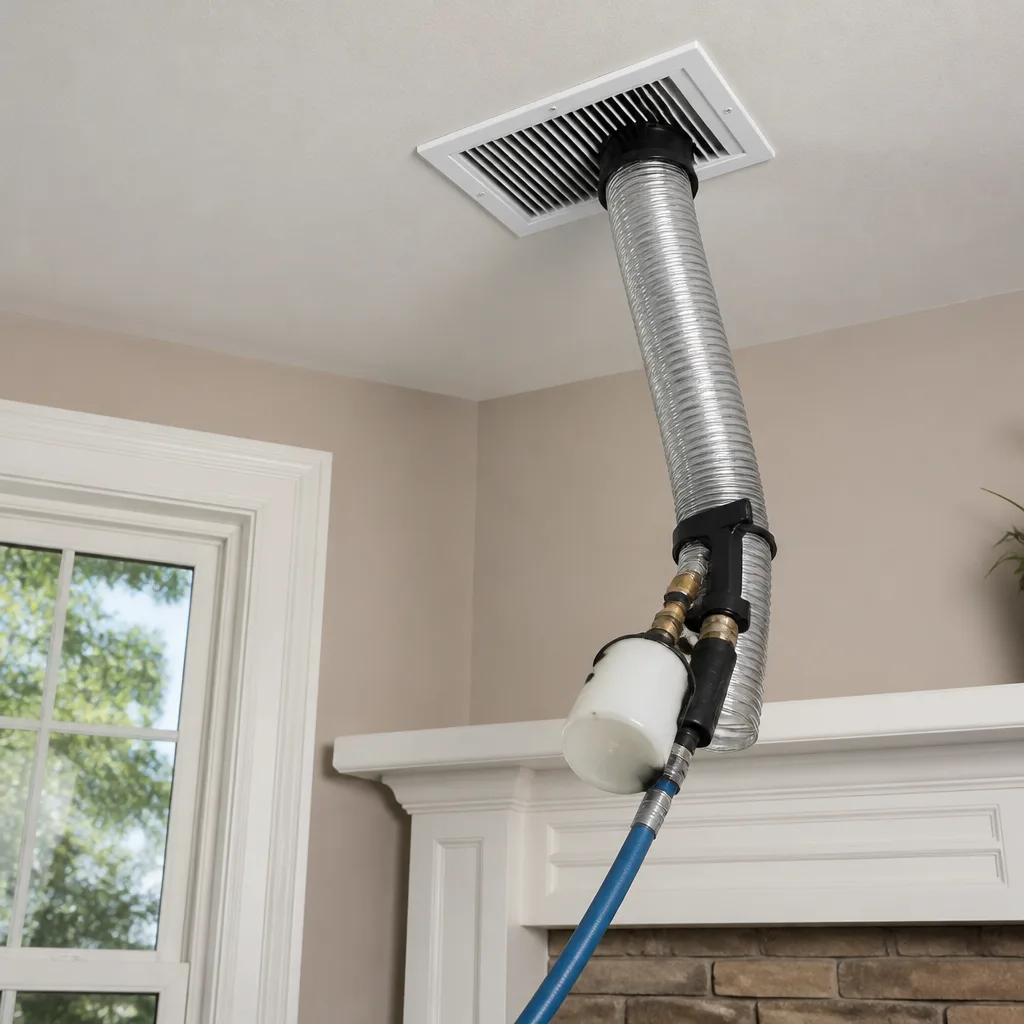 Sanitizing & deodorizing
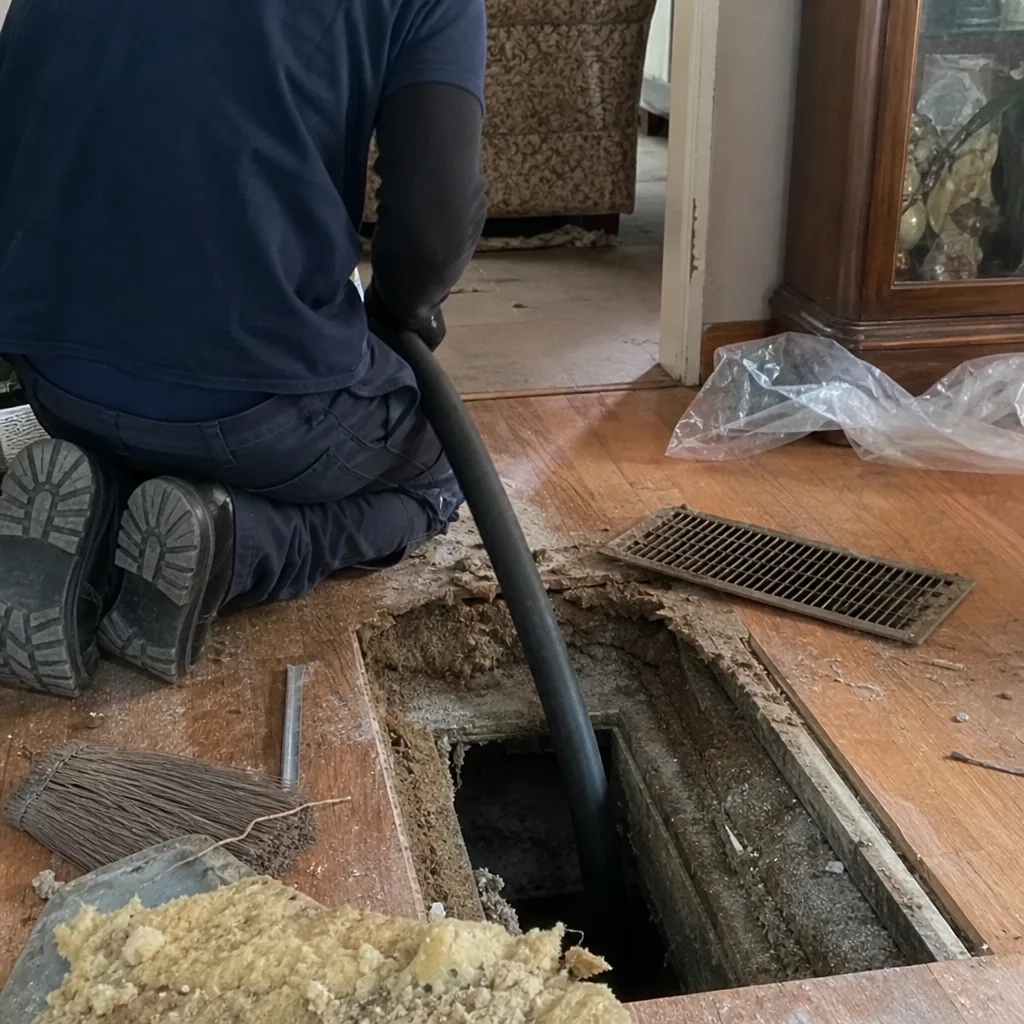
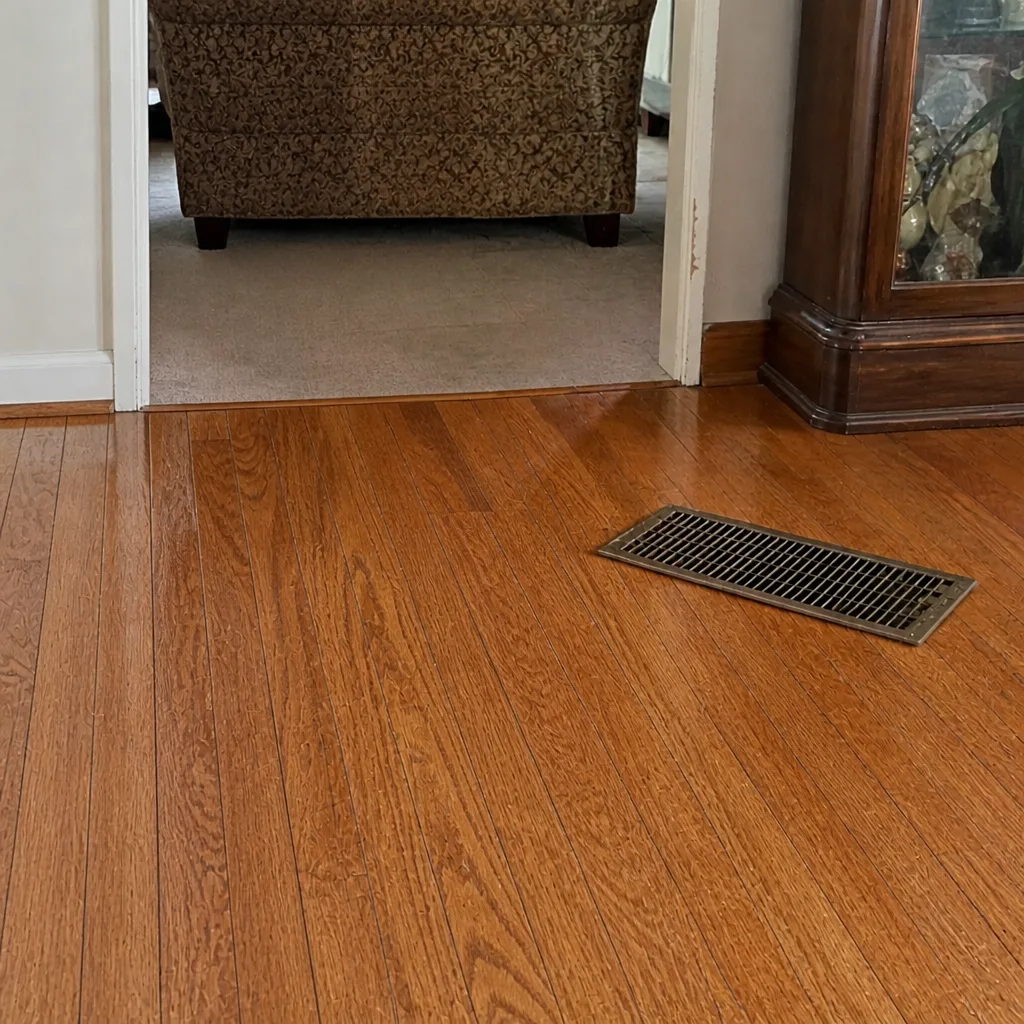
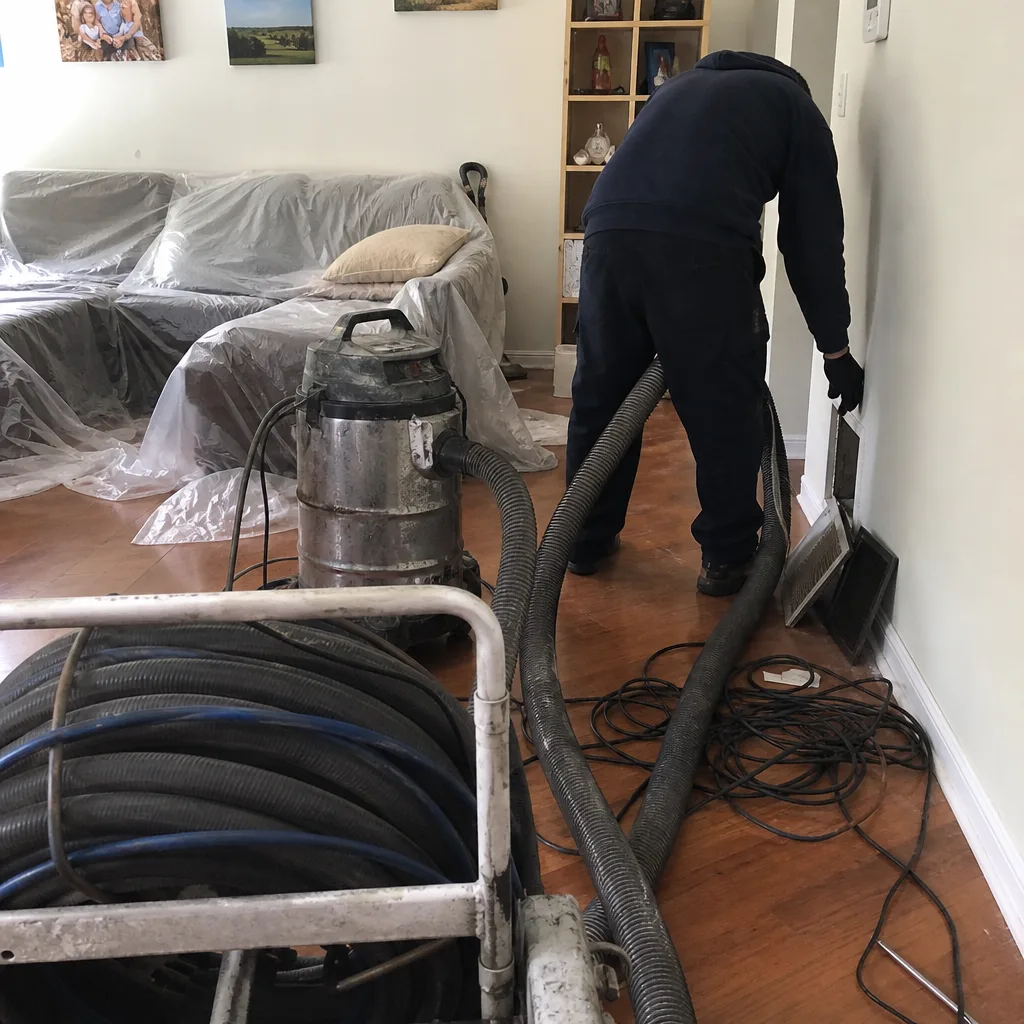
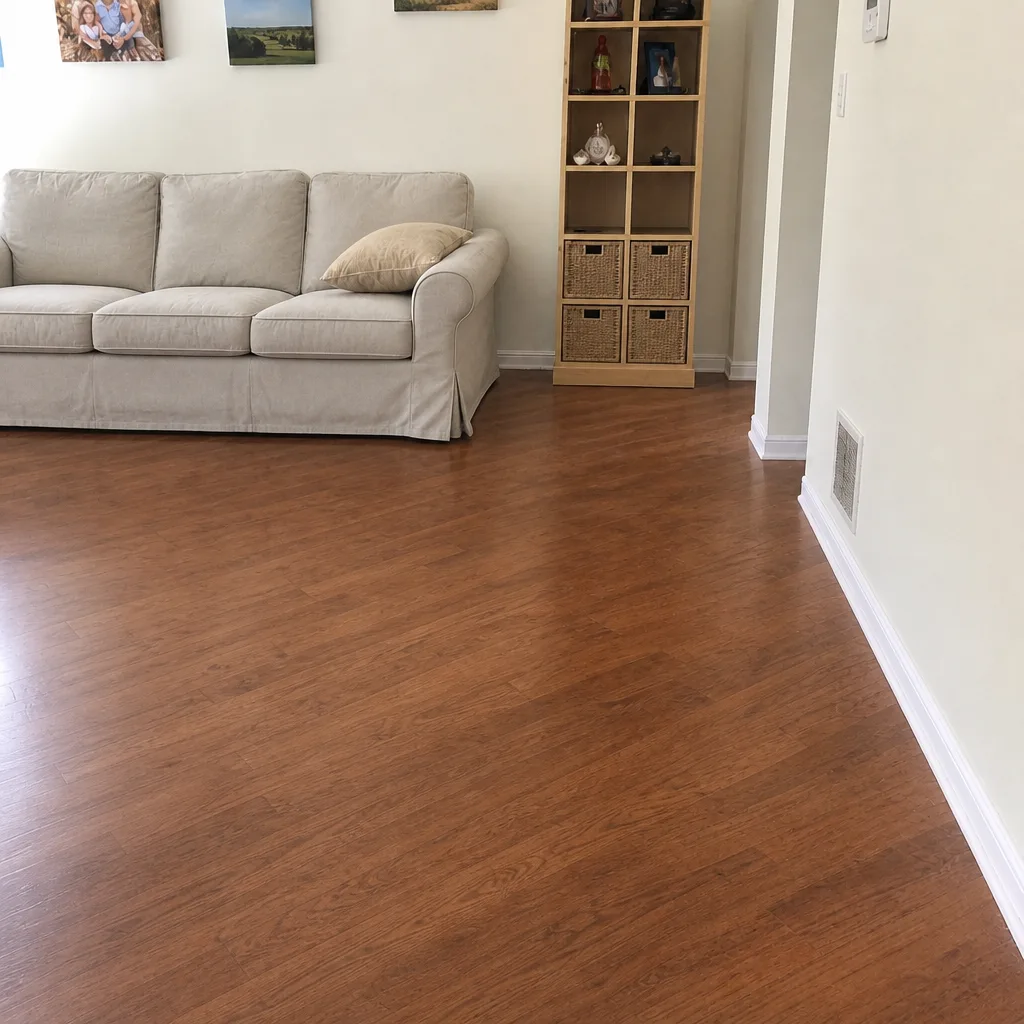
Whole-system duct and dryer vent check with before-and-after photos - you see exactly what came out of your vents
That "$99 whole-house special" is a bait ad - the real number appears once they are in your hallway, or the "clean" is a shop-vac at the register. We photograph the inside of your ducts before and after instead.
How to Hire an Air Duct Cleaning Contractor in Sunnyside: A Step-by-Step Guide
The duct cleaning industry has one of the highest rates of bait-and-switch pricing in home services, and the Federal Trade Commission has formally warned consumers about it. A $49 coupon becomes a $500 pressure-sell once the crew is inside the door. Traveling operators target dense residential neighborhoods where word-of-mouth moves slower than the van does, and Queens is a frequent stop on that circuit. The answer isn’t to skip duct cleaning. It’s to vet the contractor before anyone sets foot in your Sunnyside home. This guide gives you a concrete framework: the licenses that matter in New York, the phone questions that separate real contractors from coupon-bait crews, the red flags hidden in quotes, and how to confirm after the fact that the work was actually done.
Quick Answer
Hiring a duct cleaning contractor in Sunnyside comes down to three documents and three questions. Confirm the contractor holds a NYC Home Improvement Contractor license and carries liability insurance, ask whether they’re a NADCA member, and request written proof of all three before booking. Then ask what equipment they’ll bring (professional mechanical systems and HEPA containment, not a shop-vac), whether pricing is per system or per vent, and what their written contract includes. A legitimate contractor answers all of it without hesitation and sets one flat price per system before work starts.
Styles & brands we work with
- Whole-home duct cleaning
- Dryer vent cleaning
- Camera inspection
- Sanitizing & deodorizing
Table of Contents
- What Credentials Actually Matter in New York?
- What to Ask on the Phone Before You Book
- How to Read a Duct Cleaning Quote
- Red Flags in a Duct Cleaning Quote
- What Has to Be in the Contract Before You Sign
- Why Equipment and Containment Matter More Than Price
- How to Verify the Job Was Actually Done
- What Air Duct Cleaning Typically Costs in Sunnyside
What Credentials Actually Matter in New York?
Three credentials matter when you’re hiring a duct cleaner in Sunnyside: a NYC Home Improvement Contractor license, current liability insurance, and membership in NADCA, the National Air Duct Cleaners Association. The license is the baseline. New York City requires home improvement contractors to be licensed through the Department of Consumer and Worker Protection, and that license covers the category of work most duct cleaning falls under. Ask for the license number and look it up yourself on the city’s license lookup before you book. A contractor who can’t produce one isn’t a contractor; they’re an unlicensed operator, and if something goes wrong inside your walls, you have no recourse.
Insurance, and How to Confirm It
Liability insurance protects you, not the contractor. If a technician damages a duct run, cracks a plenum, or knocks a fixture loose, the policy is what pays for it. Don’t accept “we’re insured” as an answer. Ask for a certificate of insurance naming the coverage and the expiration date, and call the insurer if you want to be thorough. General liability coverage is what matters here. Workers’ compensation coverage is a separate question but worth asking, because an uninsured worker injured in your home can complicate things for you as the homeowner far more than most people realize.
NADCA Membership and What It Signals
NADCA isn’t a government license, and it doesn’t have legal force. What it signals is that the contractor has chosen to join the trade association that sets the industry’s assessment, cleaning, and restoration standards. Members agree to follow those standards, which include a defined process for source removal and verification. Membership is not a guarantee of quality. It’s a filter. A contractor who has gone to the trouble of joining, maintaining membership, and following the ACR standard is a materially different operation from a crew that prints a coupon and works out of a van.
Why This Matters More in Sunnyside Than Elsewhere
Sunnyside’s housing stock is mostly pre-war apartment buildings and attached rowhouses. Duct systems in these buildings are often short, shared, or retrofitted, which means a careless cleaning can move debris into a neighboring unit or into the building’s common areas. A licensed, insured contractor working under a defined process is the difference between a cleaned system and a complaint from your downstairs neighbor. The stakes go up in multi-unit buildings, and a contractor who doesn’t ask about your building type isn’t paying attention.
What to Ask on the Phone Before You Book
The phone call is where the coupon-bait crews reveal themselves. A qualified contractor can answer all of the following in plain terms, without deflecting to “the technician will explain when he arrives.” Ask these before you schedule, and listen for whether the person on the other end understands the work or is reading from a script.
- What equipment will you bring? The correct answer involves a mechanical agitation system and a high-powered negative-pressure vacuum. Brand names like Rotobrush and Nikro are used by professional duct cleaners because they’re purpose-built for the job. A shop-vac and a brush on a drill is not duct cleaning, and a company that leads with “we use a special vacuum” without specifics is telling you something.
- How do you contain the work area? Any cleaning that disturbs years of accumulated dust will redistribute it into the home unless it’s under containment. Ask directly: “Do you use negative pressure and containment equipment?” Abatement Technologies containment systems are the kind of standard you’re looking for. The answer tells you whether they’re protecting your home or your neighbor’s.
- Is your price per system or per vent? Per-vent pricing sounds transparent and isn’t. A per-vent price with no scope in writing lets the invoice creep up the moment the technician counts more vents than you thought you had. One flat price per system, agreed in writing, is what you want.
- What’s in your written contract? The answer should include the scope, the price, the equipment, and what happens if something is found mid-job. A contractor who says “we don’t do contracts, we just do the work” is telling you they don’t want a record.
- Can you show before-and-after photos? Every legitimate duct cleaning operation can document its work. A company that photographs the inside of your ducts before and after has nothing to hide. Ask, and see if the answer is “of course” or a long pause.
- Are you licensed and insured in New York? Ask for the license number and the certificate of insurance. Expect both without pushback.
What a Good Phone Call Sounds Like
A good call takes about five minutes, and the person on the other end will ask you questions too: how many systems, how many floors, what kind of building, whether you’ve had work done before, and whether anyone in the home has allergies or respiratory concerns. That last question matters because it affects how they approach the job. A contractor who listens and asks will do a better job than one who quotes from a menu. If you want to compare what a professional-grade call sounds like against a coupon-bait one, call us at (877) 792-6029 and see. We answer 24/7. Fast dispatch from 7am to 7pm, Sunday through Friday.
How to Read a Duct Cleaning Quote
A duct cleaning quote should be a short, specific document, not a paragraph. Anything that can’t be read in thirty seconds and understood without a follow-up call is either hiding something or doesn’t know what the job involves. Here’s how to read one.
- The headline price covers a named system. “Whole-home duct cleaning: $X for a single-zone forced-air system” is a real quote. “$99 special” with no scope is an invitation to renegotiate once the equipment is inside.
- The scope is explicit. It should name supply and return ducts, the air handler, the registers, and whether any additional components (dryer vent, HVAC coil, plenum) are included or priced separately.
- The equipment is named. A professional quote may reference the system the crew will use. That’s a good sign, not a sales pitch. Professional-grade equipment, not shop-vac service, is what separates one line item from another.
- There are no surprises waiting to unfold. If the quote says “as needed” or “additional work may apply,” ask what triggers that and get a range in writing before you agree.
- The price is flat per system. Not per vent. Not per register. Not per linear foot of duct. One price, one system, agreed before work starts.
Comparing Quotes Without Getting Fooled
When you collect quotes from three contractors, don’t sort them by price. Sort them by what’s specified. Two quotes for the same job, one at a flat rate with named equipment and containment, the other lower with vaguer language, aren’t the same product. The lower quote isn’t cheaper. It’s the same job with less of it being done. Read the scope line by line against the phone questions above and you’ll see the difference immediately. And if a quote includes items you didn’t ask about (extra “sanitizing upgrades,” for example, or a bundle with a service you don’t need), ask why. A legitimate contractor will explain the reason or drop the item.
Red Flags in a Duct Cleaning Quote
The industry’s bait-and-switch reputation exists for a reason. The tactics are well-known, and they show up in the same forms over and over. Here’s what to watch for in a quote for duct cleaning in Sunnyside.
- A coupon price that doesn’t survive the first visit. A very low headline price often becomes a much larger invoice once the technician is on site and reports what he’s “found.” A legitimate flat price is set before work starts and doesn’t change.
- Per-vent pricing with no defined scope. Per-vent pricing lets the invoice grow the moment the technician counts registers. A per-vent price is a pricing mechanism, not a scope of work.
- No mention of negative pressure or containment. A contractor who doesn’t mention containment isn’t planning to contain. That’s not a small omission; it affects whether the job cleans your ducts or redistributes what’s in them into your living room.
- Vague line items. “Full duct cleaning” and “system treatment” aren’t line items. They’re placeholders. A real quote names components.
- Unrequested add-ons that appear mid-job. If a technician discovers “mold” or “dangerous debris” that wasn’t in the quote and offers to address it for an additional fee, stop the work and ask for photos. There is no legitimate reason for that conversation to happen without documentation.
- Pressure to decide right now. A contractor who won’t let you sleep on a quote isn’t doing you a favor by “holding the price.” Schedules are schedules.
The Scare Tactic Test
Duct cleaning isn’t a health emergency, and anyone who frames it that way is selling something other than a cleaning. If a quote is built around fear (“your family is breathing mold right now”), the quote is the product. What’s actually in your ducts is a legitimate question and a legitimate reason to clean them. But the answer should be shown to you with photos, not described in urgent tones over the phone. If a contractor wants to sell you on a sanitizing treatment, ask whether it’s a product they carry and why they recommend it. Guardsman-grade products are made for this; the point is that the contractor should know what he’s applying and why. Ours do.
What Has to Be in the Contract Before You Sign
New York law requires home improvement contracts to be in writing for work above a certain dollar threshold, and the details are specific. Even where a job may fall below the threshold, get a written contract anyway. It costs nothing and it prevents every argument you could later have about scope, price, and what was promised.
- Full scope of work. Supply and return ducts, air handler, registers, and any additional components named individually. Not “system cleaning.” Component names.
- Total price and payment terms. One number, with a clear statement of what’s included and what isn’t. If a deposit is required, it should be stated. A legitimate contractor won’t ask for full payment up front.
- Equipment to be used. Named or described. This is what separates the contract from a handshake, and it’s what you’ll refer to if the work turns into something else on the day.
- Start date and duration. A duct cleaning job on a single system is typically a few hours. Two or more systems take longer. A contract that doesn’t commit to a date is a contract you can’t hold anyone to.
- Cleanup and debris removal. The contract should say the work area is left clean and that removed debris leaves with the crew.
- Cancellation and change-order terms. If a technician finds something not in the original scope, a written change order should be required before work continues. Never accept a verbal “we’ll add it later.”
- Signature and date. Both parties. Any contractor who won’t sign a contract isn’t one you should let into your home.
If you’re comparing contracts, read the scope sections side by side before you read the price. Two contracts that describe the same scope are comparable on price. Two that don’t aren’t, no matter what the numbers say.
Why Equipment and Containment Matter More Than Price
The single most useful thing you can learn about a duct cleaning contractor is what they bring through the door. Mechanical duct cleaning requires two things working together: agitation to loosen material from duct surfaces, and high-volume negative pressure to capture it and move it out of the home. One without the other is a partial job, and partial jobs are what generate the industry’s repeat-cleaner reputation.
Rotobrush and Nikro systems are built specifically for this work. They combine mechanical contact cleaning with high-powered vacuum capture. A contractor using either brand is using a purpose-built system, not a shop-vac with an extension hose. That distinction is the difference between “we vacuumed your vents” and a cleaned duct system. Similarly, Abatement Technologies containment equipment is the standard used in mold and restoration work, where keeping contamination inside a sealed work zone is the entire point. Applied to duct cleaning, it protects the living space during the job. If you’re hiring for duct cleaning in Sunnyside and the contractor can’t tell you what containment he uses, that’s the answer.
A Small Note on Air Quality Upgrades
Some duct cleaning companies stop at cleaning. Others, including us, also install air quality systems like Honeywell and Aprilaire equipment. This matters at the hiring stage because a company that handles air quality as well as cleaning has an incentive to get the ducts actually clean before suggesting a filtration upgrade. A cleaning-only contractor may not have the same framework. And a cleaning-only contractor who then recommends a filtration product is selling out of his lane. If your goal is cleaner air overall, ask whether the contractor carries and installs systems from a known brand, or whether he just recommends them and sends you to someone else. We install Honeywell and Aprilaire systems alongside air duct cleaning, so the work stays with one company from start to finish.
How to Verify the Job Was Actually Done
You can’t see inside your ducts during a cleaning, and that’s the contractor’s opportunity. The good news is that a legitimate contractor documents what a cheap one won’t: before-and-after photos of the inside of ducts and the blower compartment, taken with a duct camera, and a written summary of what was found and what was done. Ask for those photos. Every serious duct cleaner has them.
- Check the photos. Before-and-after shots of the same duct section are the single most useful verification tool. If the contractor doesn’t provide them, ask why.
- Look at the supply and return openings. After a proper cleaning, registers and grilles should be clean and free of loose material. The inside of the air handler cabinet should be wiped down, not left dusty.
- Smell the difference. A cleaner duct system doesn’t necessarily smell different, but a badly cleaned one can briefly smell dustier before leveling off. If it smells worse after a few days, call the contractor.
- Run the system and check airflow. Airflow should be at least as strong as before the cleaning and ideally better. A measured difference suggests the system wasn’t the source of the problem, or that something wasn’t reassembled properly.
- Confirm the work matches the contract. Compare the summary document to the scope you signed. Every component on the contract should be accounted for.
- Ask about the dryer vent if it was included. Dryer vents cleaned. Fire risk reduced. If dryer vent cleaning was part of the job, the post-service summary should confirm the vent was cleaned, the exterior termination checked, and any lint removed.
After the Clean: The Duct-Health Lifecycle
Cleaning is one step. Leaks, gaps, and damaged sections in ductwork are the root cause of many repeat dust problems, which is why duct repair and sealing belong in the same conversation. A contractor who only cleans will be back in a couple of years to clean again. A contractor who cleans, seals, repairs, and then installs a filtration system alongside ongoing HVAC cleaning is treating the cause, not the symptom. Ask which of those your contractor handles and which they’d hand off. It’s a fair question, and it tells you how serious they are about the outcome rather than the invoice.
What Air Duct Cleaning Typically Costs in Sunnyside
Air duct cleaning in Sunnyside typically runs a few hundred dollars per system for standard residential work, with higher ranges for larger homes, multiple systems, or when a dryer vent, HVAC coil, or duct repair is included. The estimate you receive in writing sets the final price. Here’s how the costs usually break down:
- Single-system residential duct cleaning: typical range covers standard supply and return cleaning with professional equipment and containment.
- Multi-system homes: adds a per-system price for each additional zone.
- Dryer vent cleaning: a modest additional line item for most homes, more for longer or more complex vent runs.
- HVAC coil and blower cleaning: additional line item, priced separately from duct cleaning because it’s a different job on a different component.
- Duct repair and sealing: priced by scope once the extent of leaks or damage is known. This is not something a quote can reliably estimate without seeing the ducts.
- Air quality sanitizing: a small add-on priced by system, using Guardsman-grade products.
Every one of these is priced from an estimate, not from a coupon, and not per vent. If you get a number that seems too good for what’s listed, ask what’s missing from it. Call (877) 792-6029 for an exact quote. Estimates are free.
Common Mistakes to Avoid
- Booking on coupon price alone. A low headline price almost always means something’s missing from the scope, and the missing part becomes an add-on once the technician is inside. Compare the scope first.
- Skipping the license check. In New York, home improvement contractors should be licensed, and confirming it takes two minutes. A contractor who won’t share a license number isn’t one you want in a pre-war building with shared duct runs.
- Not asking about containment. Sunnyside’s attached rowhouses and multi-unit buildings make this especially important. If the contractor isn’t using negative pressure and containment, the dust from your ducts is going somewhere – and it isn’t going to stay in your unit.
- Agreeing to per-vent pricing without scope. Per-vent pricing is a moving target. Ask for one flat price per system, in writing.
- Signing a contract that doesn’t name components. “System cleaning” is not a scope. Supply ducts, return ducts, air handler, registers: named individually.
- Accepting the job without before-and-after photos. Photos are the only reliable proof of work you can’t see inside. No photos means no way to verify.
- Skipping the post-service conversation. After the work is done, ask about the ducts’ condition, whether any sealing or repair is needed, and what to watch for over the next year. That’s where the long-term value is.
See the difference
 Before
 After
 Before
 After
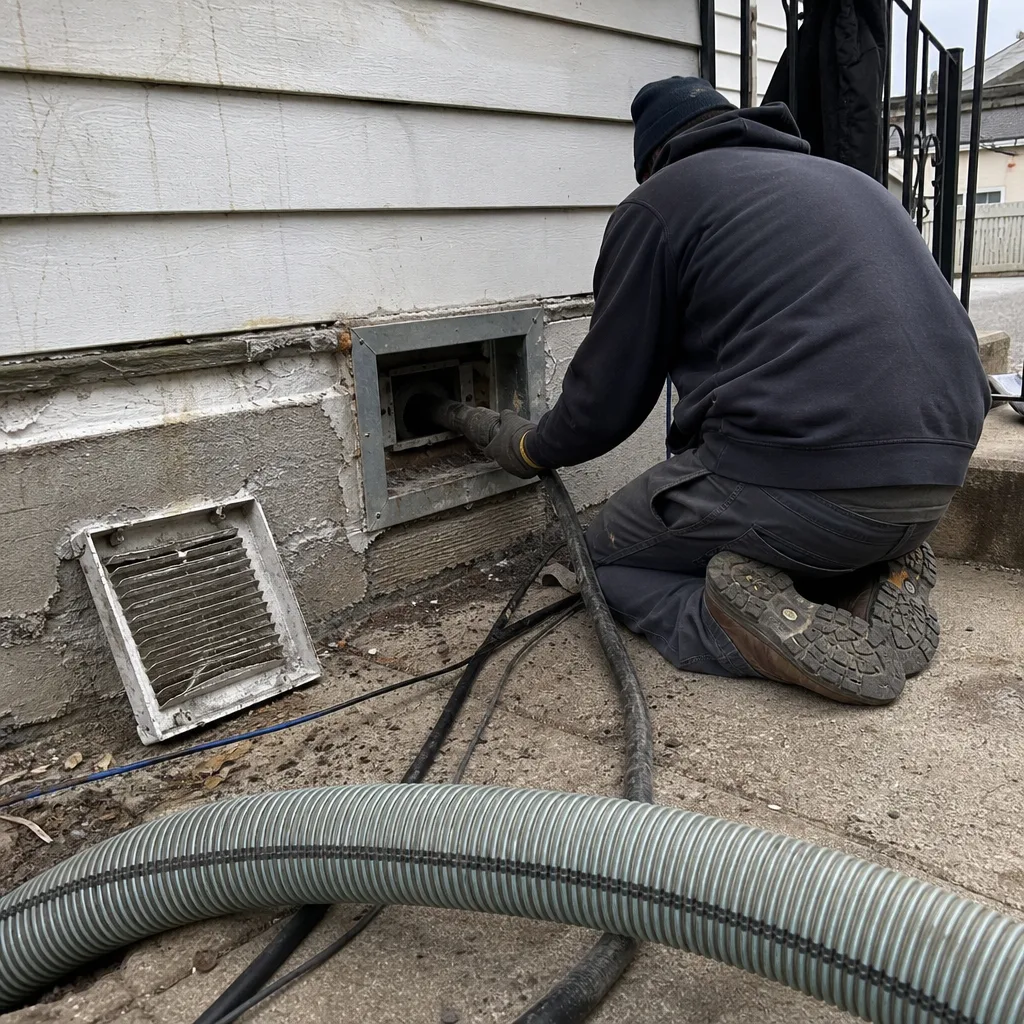 Before
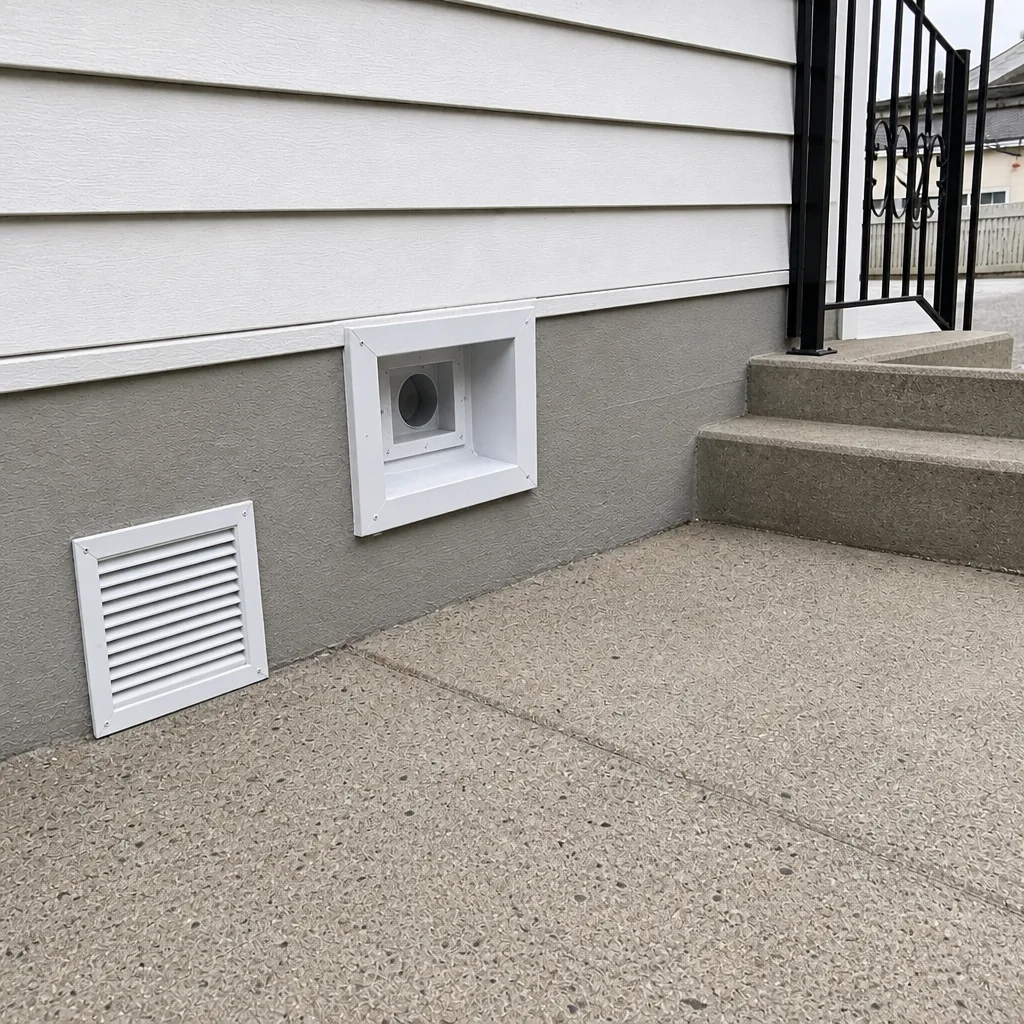 After
When to Call a Professional
Some duct conditions are obvious. Visible dust blowing out of registers when the system starts, a persistent musty smell when the heat or AC kicks on, allergy symptoms that improve when you’re away from home, or a noticeable drop in airflow all point to a duct problem. If you’ve recently renovated, duct cleaning is worth scheduling because construction dust settles in the system. If your dryer takes two cycles to dry a load, the vent is likely clogged and needs attention for fire-safety reasons, not just performance. And if it’s simply been several years and you can’t remember the last cleaning, that’s reason enough. Sunnyside Air Duct Cleaning offers free estimates in Sunnyside. Call (877) 792-6029. We answer 24/7. Fast dispatch from 7am to 7pm, Sunday through Friday. The local pro we connect you with is licensed and insured as New York requires, and we work with your insurer where needed.
Frequently Asked Questions
Air duct cleaning in Sunnyside typically runs a few hundred dollars per system for standard residential work, and the written estimate sets the final price. Larger homes, multiple systems, and add-ons like dryer vent cleaning, HVAC coil cleaning, or duct repair push the total higher. Call (877) 792-6029 for an exact quote. Estimates are free.
Cheap quotes are cheap because they leave something out: containment, mechanical agitation, the air handler, or the return ducts. A quote that undercuts the others by a wide margin usually gets renegotiated on-site once the technician “discovers” something. One flat price per system, agreed before work starts, is the honest structure. Call (877) 792-6029 to compare against a real quote.
Ask for before-and-after photos of the ducts and blower compartment, taken with a duct camera. A contractor who can show you what was in the system before and what’s in it now has nothing to hide. Pair the photos with a written summary that matches the contract line by line. If a contractor can’t produce either, that’s a red flag. Call (877) 792-6029 when you want a quote with that documentation built in.
Most homes in Sunnyside do well with a cleaning every three to five years, but the interval depends on the home. Renovation, pets, smoking, allergies, and an older system can all shorten the cycle. A system with visible dust or a musty odor should be cleaned sooner. If you’re unsure, call (877) 792-6029 and we’ll walk through it. Estimates are free.
Duct cleaning typically falls under New York City’s home improvement contractor licensing requirement, and it’s a fair baseline to confirm before booking. Ask for the license number and check it through the city’s lookup. A licensed contractor is also likely to carry liability insurance, which protects you if something goes wrong in your home. If a contractor can’t produce both, keep looking.
Yes, in two ways. Duct runs in pre-war and mid-century Sunnyside buildings can be shared between units, so containment and negative pressure protect the whole building during the cleaning. And some systems were retrofitted into spaces that weren’t designed for them, meaning a proper scope involves checking what’s actually there before quoting. A contractor who doesn’t ask about the building type isn’t prepared for the job. Call (877) 792-6029 to talk through your building’s setup.
The Bottom Line
Hiring a duct cleaner in Sunnyside is mostly a filtering exercise. Confirm the license, confirm the insurance, confirm the NADCA membership, and then ask three questions: what equipment, what containment, and what’s in the contract. If those answers come back specific, you’re likely talking to a real contractor. If they come back vague, walk away. The quote should be one flat price per system, in writing, with named components and no per-vent pricing. The work should end with documentation: before-and-after photos and a written summary you can compare against the contract. Everything else is a sales pitch. The local professionals we connect you with are state-licensed and insured, and we work with your insurer where needed.
If the ducts in your Sunnyside home are due, we’re glad to give you a free written estimate. Call (877) 792-6029. We answer 24/7. Fast dispatch from 7am to 7pm, Sunday through Friday. Our technicians have up to 9 years of experience, and we use professional equipment from Rotobrush, Nikro, and Abatement Technologies. One flat price per system, agreed before work starts, and before-and-after photos of your own ducts when the job is done.
Written by the team at Sunnyside Air Duct Cleaning.