
Last updated November 22, 2026
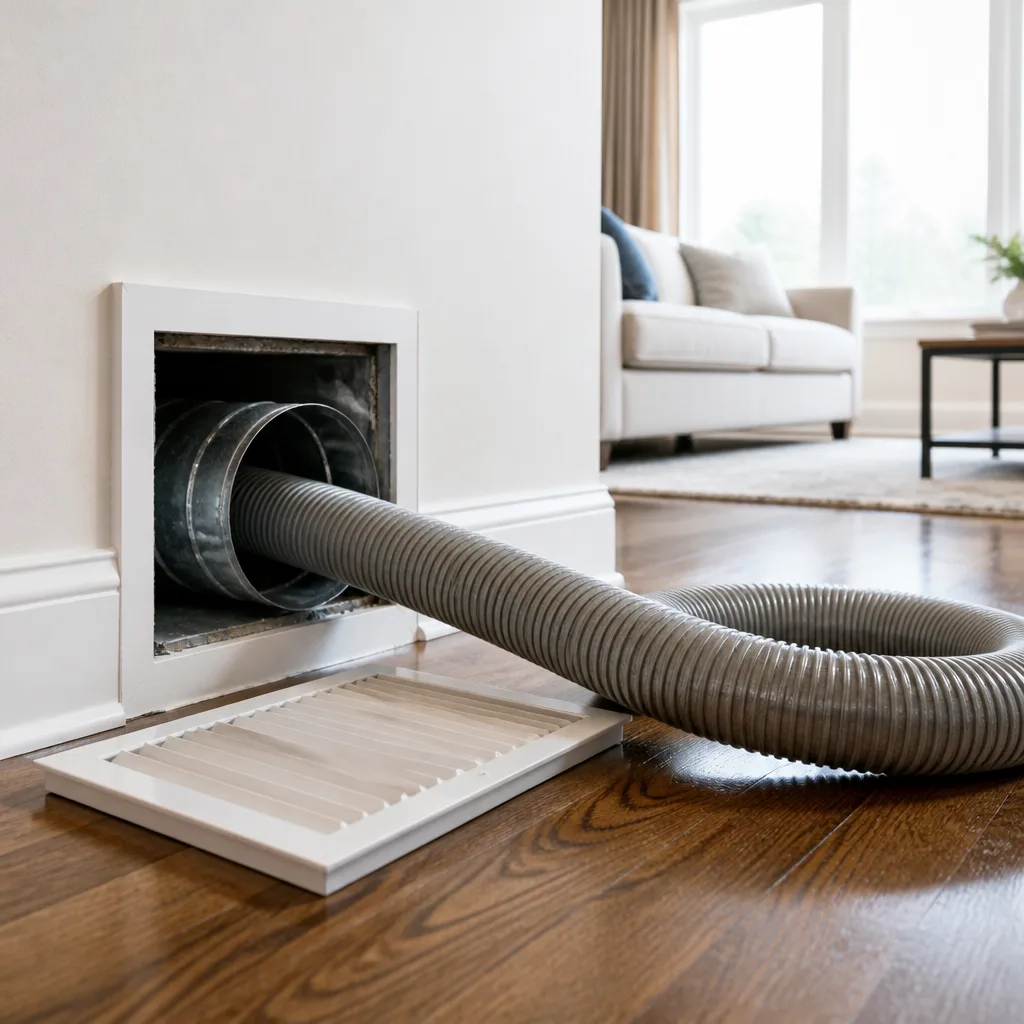 Whole-home duct cleaning
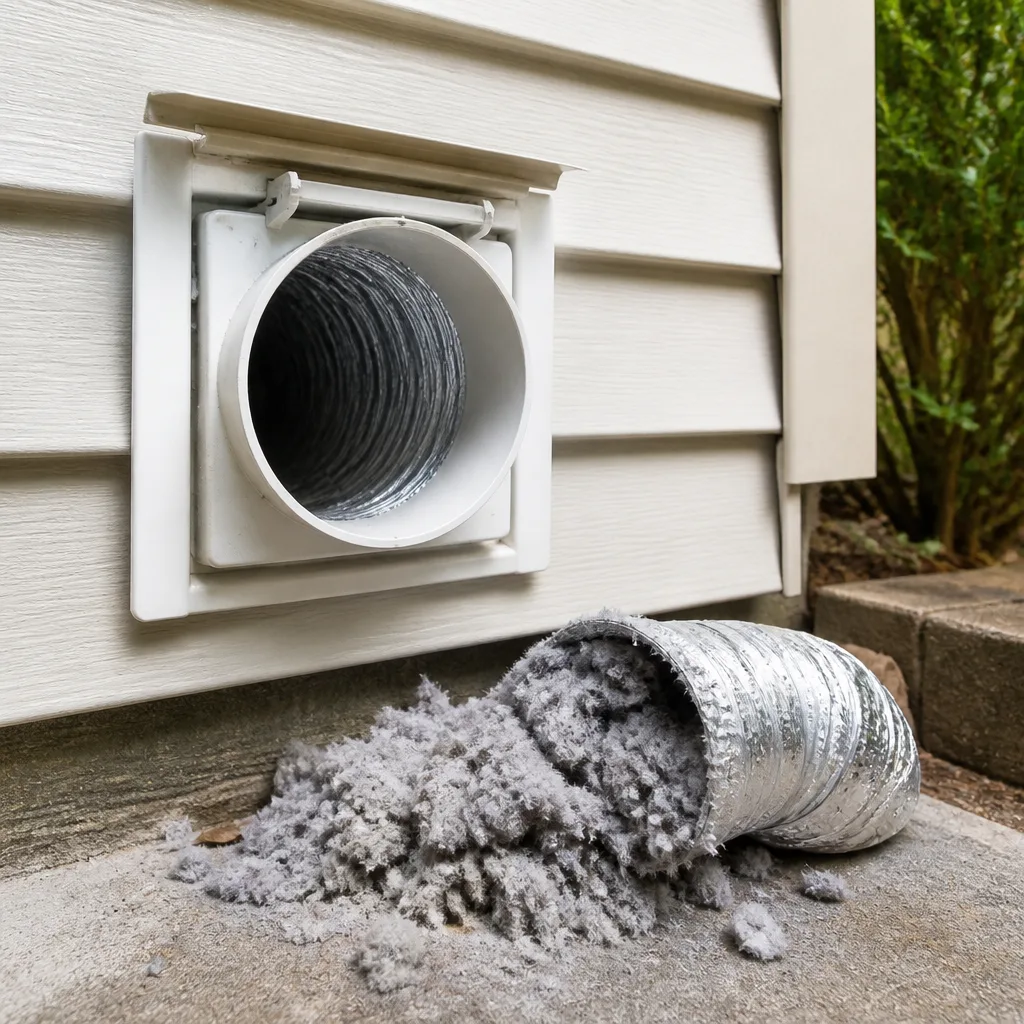 Dryer vent cleaning
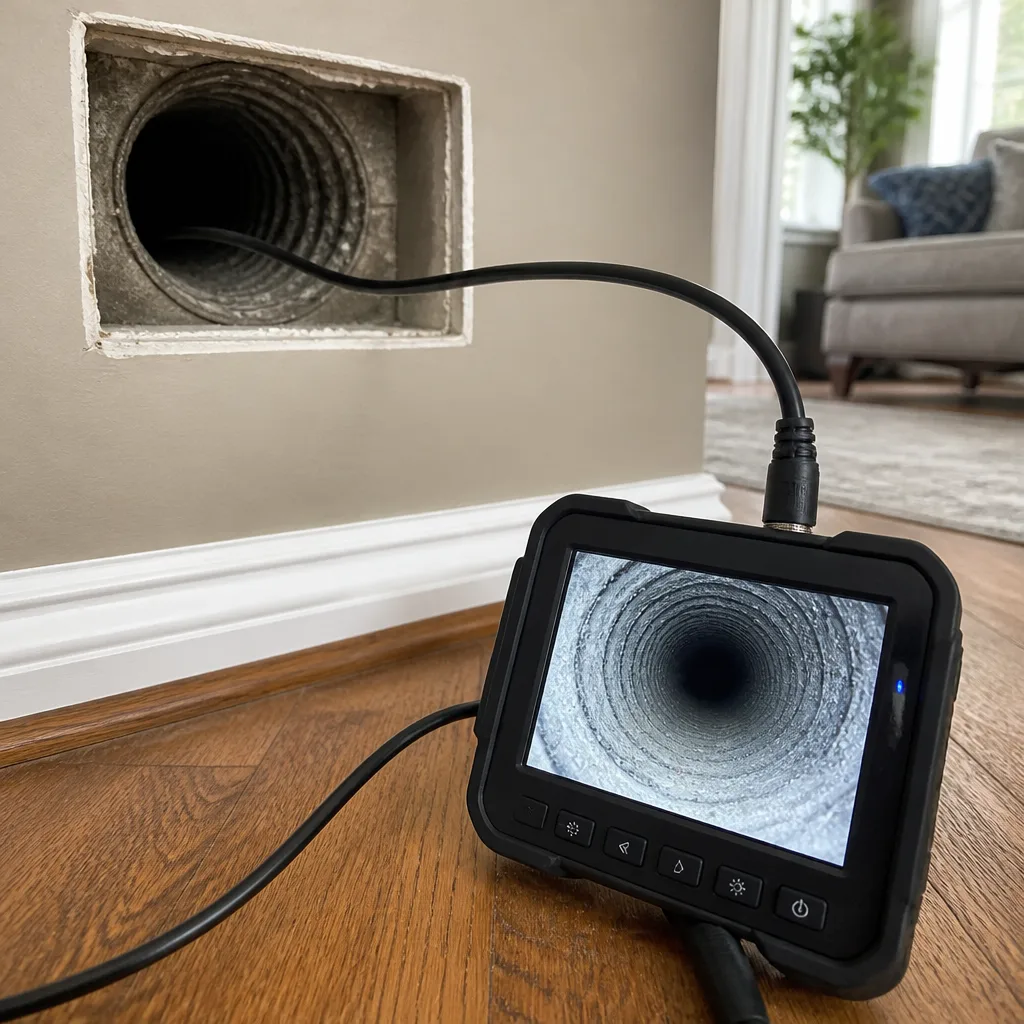 Camera inspection
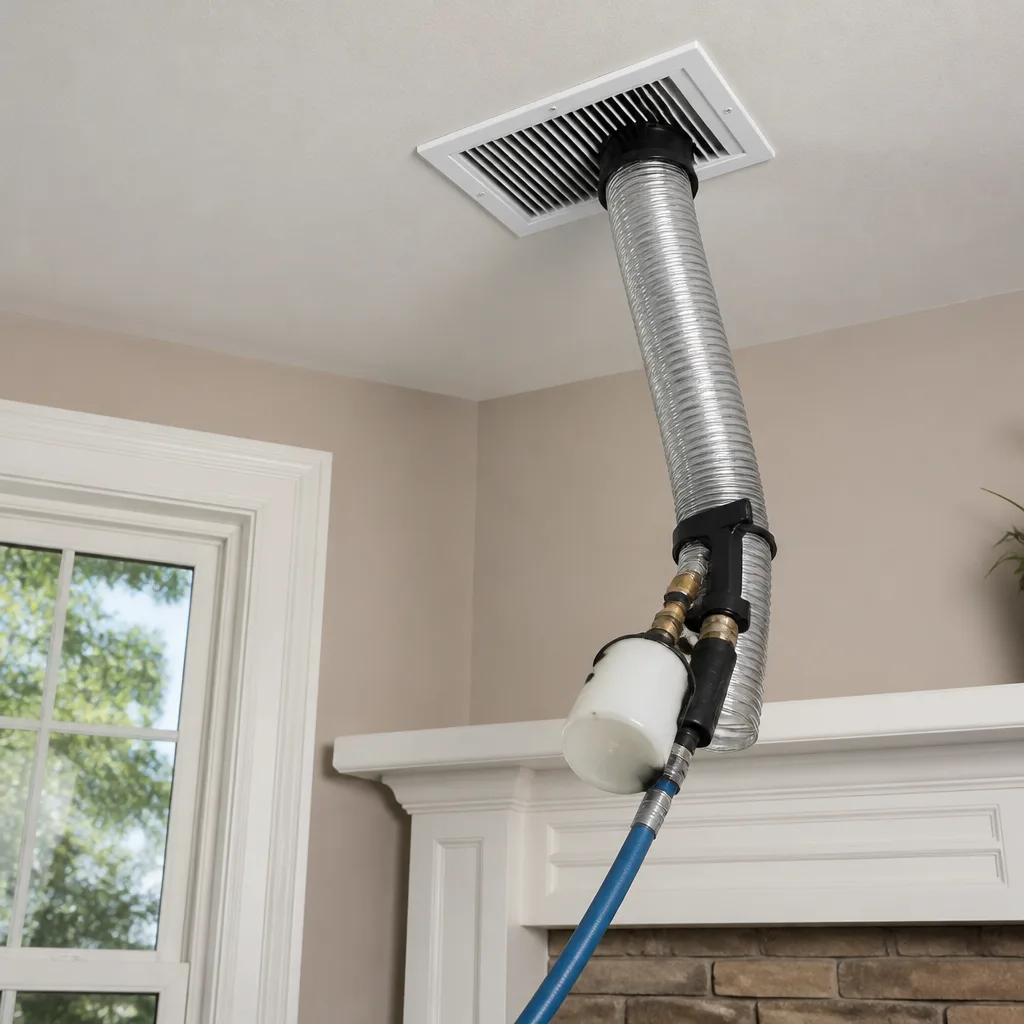 Sanitizing & deodorizing
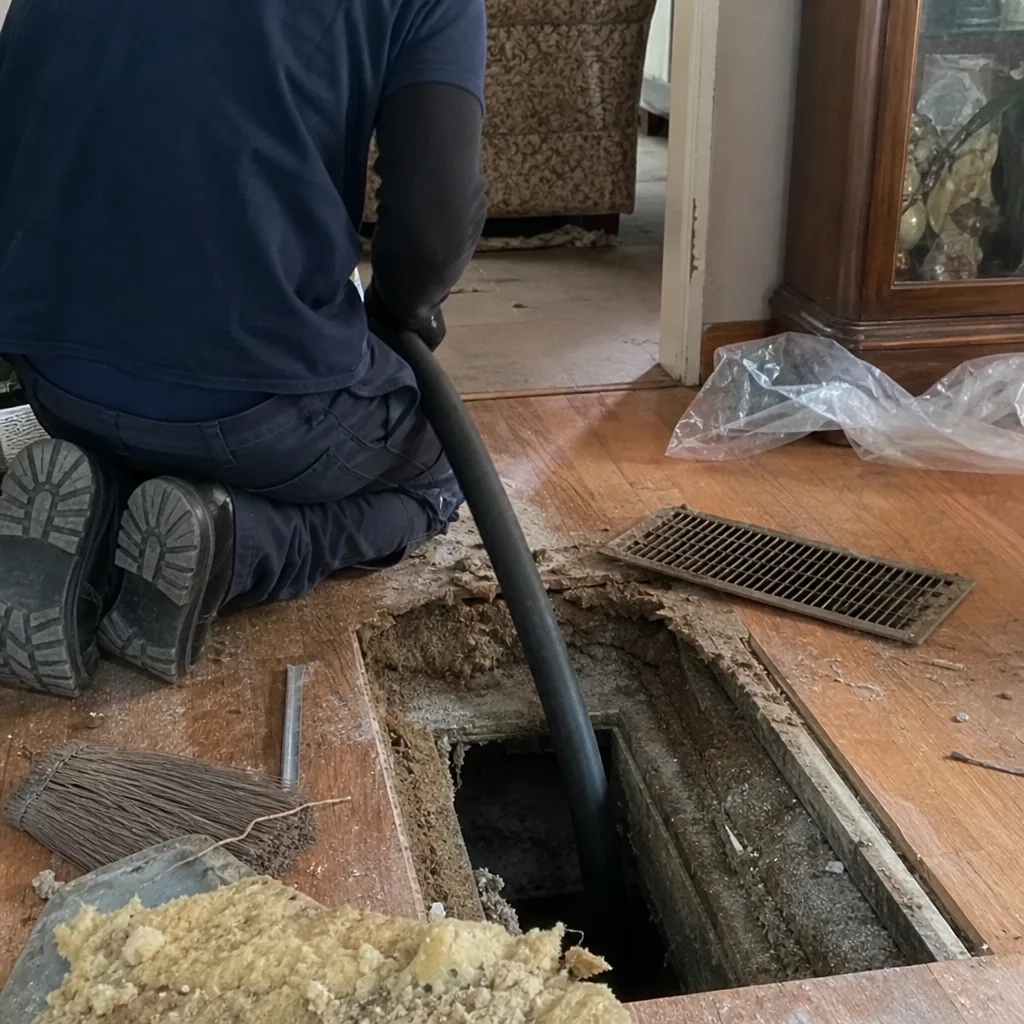
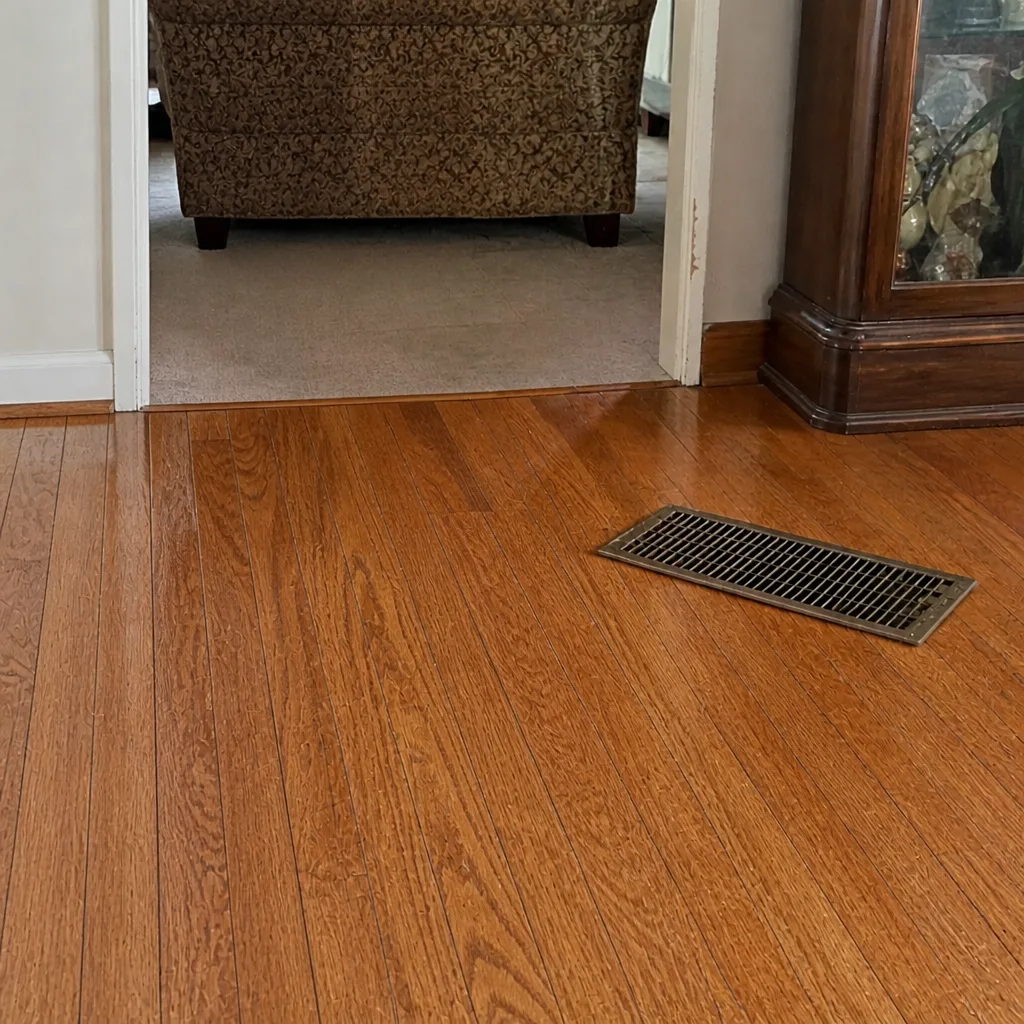
Whole-system duct and dryer vent check with before-and-after photos - you see exactly what came out of your vents
That "$99 whole-house special" is a bait ad - the real number appears once they are in your hallway, or the "clean" is a shop-vac at the register. We photograph the inside of your ducts before and after instead.
Seasonal Air Duct Cleaning Care for Sunnyside: Year-Round Homeowner’s Guide
Most homeowners treat duct cleaning as a once-a-decade chore, something to book when the vents look dusty or a filter change feels overdue. That approach misses what’s actually happening inside the system. In Sunnyside, the air moving through your ducts changes character several times a year. Queens humidity in July is a different problem from the dry, particulate-heavy air of a February heating season, and the return-air grilles pull in whatever the street and the season happen to produce. What you clean out in October isn’t what settles in by April. This guide walks through the seasonal pressures a Sunnyside home actually faces and maps a care calendar to them, so maintenance follows the calendar instead of a vague memory. We’ll show you what to handle yourself and when to bring in a professional.
Quick Answer
Air duct cleaning in Sunnyside works best on a seasonal rhythm rather than a single annual appointment: a pre-heating-season inspection in early fall, a post-winter and pollen-season check in late spring, and attention to humidity-driven moisture through the summer. The goal is to catch debris and moisture before the HVAC system distributes them through every room. Homeowners who match cleaning and inspection to these seasonal stress points get cleaner air and fewer surprises than those who clean once and forget it.
Styles & brands we work with
- Whole-home duct cleaning
- Dryer vent cleaning
- Camera inspection
- Sanitizing & deodorizing
Table of Contents
- Why Seasonal Care Beats One Annual Cleaning in Sunnyside
- Summer: Humidity, the Urban Heat Island, and Duct Moisture
- Fall: The Pre-Heating-Season Inspection That Matters Most
- Winter: How the Furnace Redistributes Settled Particulate
- Spring: Pollen Infiltration and the Return-Air Path
- Your Season-by-Season Task List: Homeowner vs. Professional
- What “Done Right” Actually Requires
- Common Mistakes to Avoid
Why Seasonal Care Beats One Annual Cleaning in Sunnyside
A single cleaning assumes the system only gets dirty at a steady rate. It doesn’t. Debris accumulates in pulses tied to what the season puts into the air and how hard the HVAC system runs. In a dense Queens neighborhood, those pulses are pronounced. Street-level diesel from delivery trucks and buses, subway particulate drifting up from the stations, and cooking exhaust from tightly packed multi-unit buildings all feed the return-air system, and each peaks at different times of year.
Add the seasonal load: summer humidity, fall leaf litter tracked indoors, winter heating cycles that stir settled dust, and spring pollen. A once-a-year appointment, whenever it happens to be scheduled, will clean up whatever is present that day and then leave the system exposed to the next seasonal pulse.
A seasonal calendar does three things a single cleaning can’t:
- It times the deep cleaning to just before the system’s heaviest-use period, so the ducts are as clean as possible when air moves through them most.
- It catches moisture problems in summer before they turn into something that needs repair.
- It separates what a homeowner can reasonably do from what genuinely requires professional equipment and containment.
Sunnyside Air Duct Cleaning works on this model because a duct system is a moving part of the home, not a static one. The air quality in a Sunnyside apartment or house varies by season, and the care should follow that variation.
Summer: Humidity, the Urban Heat Island, and Duct Moisture
Summer in Sunnyside brings a humidity problem most homeowners never think about. The air conditioning system is working hard, and the evaporator coil and ductwork are the coldest surfaces in the house. When warm, moist air reaches cool duct surfaces, condensation forms. That moisture, trapped inside a duct run with limited airflow during off-cycles, creates conditions where mold and mildew can develop.
The urban heat island effect makes this worse. Dense residential blocks, asphalt, and limited green space mean Sunnyside runs warmer than surrounding areas on the same summer day. Warmer ambient air carries more moisture, and the air conditioning system has to work harder to remove it. That increased load means more condensation on coil and duct surfaces and less margin for error.
What to watch for in summer
- Musty or damp odors when the AC first kicks on, which can point to moisture sitting in the ducts or on the coil.
- Condensation or water stains near duct runs, particularly in basements, closets, and utility areas.
- Increased allergy symptoms indoors during the cooling season, which may be tied to biological growth in a damp system.
- Weak airflow from some vents, which can indicate moisture-swollen debris or a partially blocked run.
Homeowners can handle the basics: change filters on schedule, keep the condensate drain clear, and watch for visible water. For anything involving suspected mold inside the ductwork, this is a job for a professional. Cleaning out a system that has active biological growth without proper containment can spread spores through the home. At Sunnyside Air Duct Cleaning, we use Abatement Technologies containment equipment during cleaning for exactly this reason. It controls contamination at the source rather than redistributing it through the house.
We use professional-grade equipment throughout the job, including Rotobrush and Nikro systems built for mechanical duct cleaning, not shop-vac service. Summer is also a good time to talk about long-term air quality. We work with Honeywell and Aprilaire filtration and humidity-control systems, so the conversation about controlling summer moisture doesn’t end with cleaning.
Fall: The Pre-Heating-Season Inspection That Matters Most
If there’s one seasonal appointment that pays off more than any other, it’s the early-fall inspection and cleaning, booked before the heating system runs for the first time. Here’s why. All summer, the air conditioning system kept the ducts cool and the air moving. Once you switch to heat, that same ductwork becomes a warm, dry channel, and every particle of settled debris that accumulated over the cooling season gets picked up and distributed through the house.
The first heating cycle of the season is when that accumulated load reaches every room at once. And that first furnace run often happens on a cold evening when windows are closed and the house is sealed tight. The air quality inside drops precisely when people are spending the most time indoors.
Why fall inspection matters beyond cleanliness
Fall is also when the system’s condition gets its first real test after months of cooling duty. A professional inspection in early fall can catch:
- Loose, disconnected, or sagging duct sections that will leak heated air all winter.
- Gaps at joints and seams that pull unfiltered air from crawl spaces, attics, or wall cavities.
- Damaged or crushed flexible duct runs that restrict airflow.
- Debris that has settled into the return-air plenum over the summer.
That last point matters for the full duct-health picture. Cleaning addresses what’s inside the system, but leaks and gaps are the root causes that let new debris in. Sunnyside Air Duct Cleaning offers duct repair and sealing alongside cleaning, so the same visit that clears the system can address the pathways that keep reintroducing dirt and unfiltered air.
Call (877) 792-6029. We answer 24/7, with fast dispatch from 7am to 7pm, Sunday through Friday. Booking an early-fall appointment in Sunnyside gives you time to schedule around your household’s routine.
Winter: How the Furnace Redistributes Settled Particulate
In winter, the heating system becomes the dominant driver of indoor air quality. The furnace runs frequently, air moves through the ducts continuously, and the house is sealed against the cold. That combination means every bit of particulate in the ductwork has repeated chances to become airborne and get distributed through the living space. And you’re breathing that indoor air more than at any other time of year.
Particulate-heavy winter air adds to the load. The wood smoke, road dust, and general urban particulate that characterize a Queens winter don’t stay outside. They enter through return-air grilles, door gaps, and any unsealed duct penetration. Once inside the duct system, they settle during off-cycles and lift back into the airstream when the heat runs again.
What winter air quality actually depends on
Three things determine how much particulate reaches your rooms in winter:
- The cleanliness of the duct interior. A duct with a settled layer of dust has a reservoir that keeps feeding the airstream. A cleaned duct removes that reservoir.
- The integrity of the return-air path. Leaks in the return duct pull air from unconditioned spaces (attics, crawl spaces, wall cavities) and deliver it straight into the system. Sealing those leaks keeps the return air coming from where it should.
- The quality of filtration. A filter is only as good as its fit and its rating. Upgrading filtration is one of the more direct ways to reduce particulate load, and it’s a natural companion to cleaning.
Homeowners can manage items two and three to some extent: replace filters with the correct MERV rating for your system, check grilles for obstructions, and keep the return-air area clear. For cleaning the duct interior and tracing leaks, especially in multi-unit Sunnyside buildings where return-air paths can be shared or complex, bringing in a professional makes more sense.
A mid-winter inspection isn’t usually necessary if fall cleaning was done. But if you notice increased dust on surfaces, worsening allergy symptoms during heating season, or a persistent odor when the heat runs, that’s a signal the system needs attention before spring.
Spring: Pollen Infiltration and the Return-Air Path
Spring is when the return-air system becomes the entry point for the season’s most concentrated particulate: pollen. If you’ve ever watched a yellow film form on your car in April, imagine a fraction of that being pulled into your ducts through a return-air grille every time the system runs. Pollen is fine, sticky, and designed to travel. Once it settles in a duct, it stays until it’s cleaned out.
How pollen reaches your ducts
Pollen follows the return-air path. That means it comes in through:
- Open windows and doors, especially during cleaning and airing-out sessions in spring.
- Outdoor-air intakes on some HVAC installations, which pull outside air directly into the system.
- Return-air leaks in duct runs that pass through unconditioned space, drawing pollen-laden outdoor air into the system.
- Foot traffic, which carries pollen indoors from streets, yards, and parks.
The instinct is to close the house up and run the system on high, thinking that traps the pollen. That works short-term, but it also loads the filter and the return ducts faster. The better strategy is to seal the paths pollen follows (fix return-air leaks, upgrade filtration) and to plan a spring cleaning that clears what got past those defenses.
One caution: don’t block return-air grilles or tape over vents to try to limit pollen intake. That restricts airflow, raises system load, and can create its own problems. Spring care is about addressing the source, not choking the pathway. This is also a good moment to schedule air duct cleaning after pollen season peaks, so the cleaning clears what the season left behind.
If you have allergies, spring is when the state of your ducts matters most. What’s inside your ducts plays a real role in indoor allergen levels, and cleaning after the pollen peak removes the pollen that reached the system.
Your Season-by-Season Task List: Homeowner vs. Professional
Here’s a practical split of what you can handle and what should go to a professional, organized by season. Use this as a reference calendar and adjust for your home’s specific setup.
Summer tasks
- Homeowner: Change the AC filter on schedule (usually every 1-3 months, more often with pets or heavy pollen).
- Homeowner: Check the condensate drain and look for moisture near duct runs.
- Professional: Inspect for moisture and biological growth in the system. Clean or sanitize if needed.
- Professional: Check that the evaporator coil and drain pan are clean and draining properly.
Fall tasks
- Homeowner: Replace the furnace filter before the first heating run; test the thermostat.
- Homeowner: Clear return-air grilles and keep them unobstructed.
- Professional: Full pre-heating-season inspection and cleaning.
- Professional: Trace and seal duct leaks, repair damaged sections, and check connections.
Winter tasks
- Homeowner: Check filter monthly; keep the intake area clear.
- Homeowner: Watch for increased dust or odors during heating season and note when they start.
- Professional: Address any leak-driven problems or airflow issues traced to the duct system.
- Professional: Upgrade or adjust filtration if particulate load is high.
Spring tasks
- Homeowner: Change filters after the pollen peak; keep windows closed on high-pollen days.
- Homeowner: Wipe down return-air grilles and keep the intake path clear.
- Professional: Post-pollen deep cleaning of the duct system.
- Professional: Inspect and seal any return-air leaks that let pollen into the system.
What “Done Right” Actually Requires
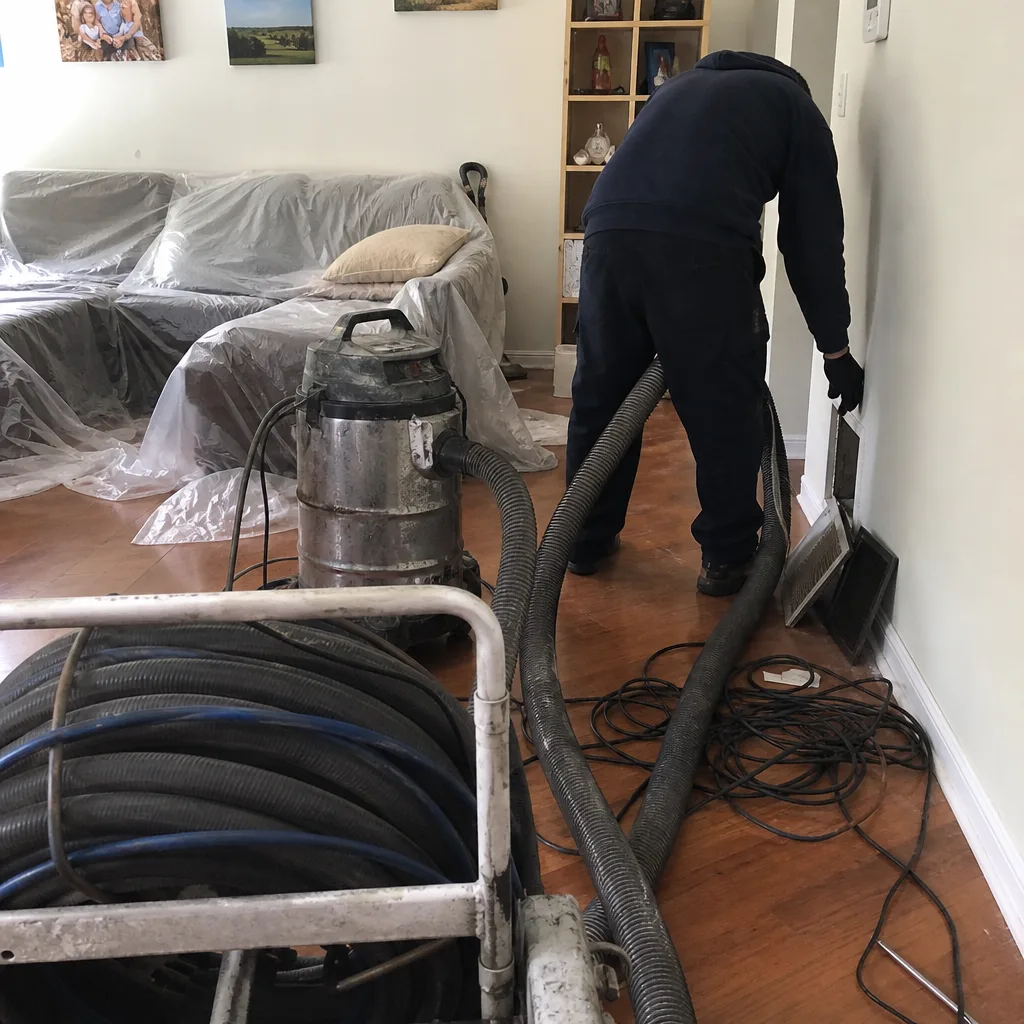
A seasonal care calendar only works if the cleaning itself is thorough. Not all duct cleaning is equal, and the difference is in the equipment and process. A shop vac and a brush can knock dust loose, but without the right setup it pushes debris back into the house or leaves it settled in the system.
Here’s what a thorough cleaning involves, and why each piece matters:
- Containment. Before cleaning starts, the work area is sealed off so dislodged debris and contaminants don’t spread into the living space. This is where Abatement Technologies containment equipment comes in; it’s the same process standard used in mold and restoration work, applied here to protect the home during cleaning.
- Mechanical agitation. Dust and debris bond to duct walls and don’t come off with suction alone. Professional systems like Rotobrush and Nikro use purpose-built brushes and air tools to break that material loose from the full duct surface.
- High-volume extraction. Once dislodged, the debris has to be captured, not just stirred up. Professional extraction pulls it out of the system entirely.
- Sanitizing and protection. After cleaning, some systems benefit from sanitizing to address biological growth. Guardsman-grade products are part of this step at Sunnyside Air Duct Cleaning.
- Follow-up on air quality. Cleaning clears the system; keeping it clean means addressing filtration and humidity. Honeywell and Aprilaire systems are part of that conversation for homeowners ready to move from cleaning to long-term air quality.
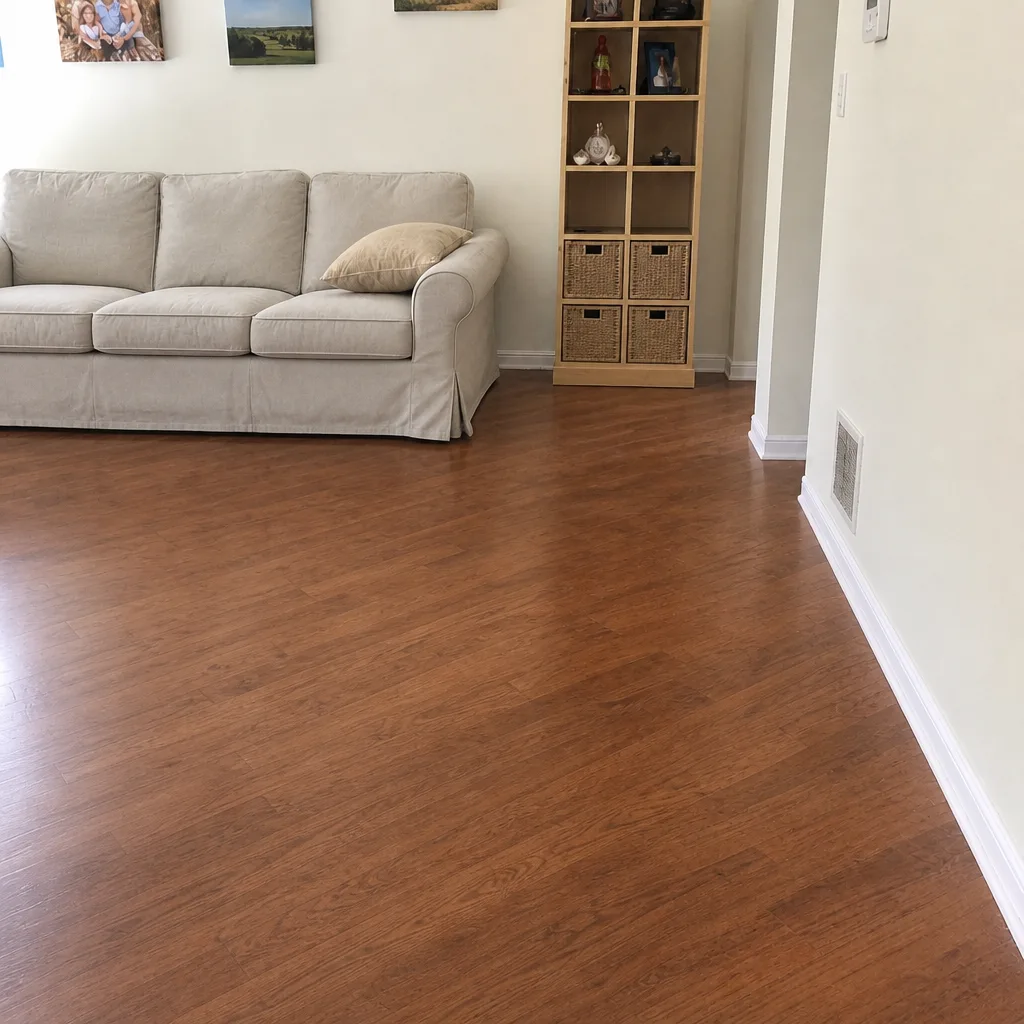
We show our work. Before-and-after documentation of the ducts lets you see what changed, rather than trusting a receipt. That transparency matters in a category where “blow-and-go” operators exist, and where a low quote often hides a rushed job.
Our technicians have up to 9 years of experience, which counts for something when a duct system has complicated runs or hidden leaks. The HVAC cleaning side of the job matters just as much as the ducts themselves, since the coil, blower, and cabinet are all part of the same air path. And for the safety side of home air quality, dryer vent cleaning is part of the full service picture: dryer vents cleaned, fire risk reduced, and one less hidden problem in the home.
Common Mistakes to Avoid
- Cleaning once a year and assuming that’s enough. A single cleaning misses the seasonal pulses; the system reloads twice as fast in a dense Queens neighborhood. Time the cleaning to the season, not the calendar year.
- Booking the cheapest quote and assuming it’s the same service. Low-bid “blow-and-go” operators often use shop vacs with minimal containment, which can redistribute dust through the house. Ask what equipment and containment they use before booking.
- Blocking return-air vents to “trap” pollen or dust. Restricting return airflow raises system load and creates pressure problems. Address the source (leaks, filtration) rather than choking the pathway.
- Ignoring the pre-heating-season window. Cleaning the ducts after the furnace has already run for a month means that first-cycle debris distribution has already happened. Book the fall appointment before the switch.
- Skipping the leak inspection. Cleaning that doesn’t address duct leaks just means the system gets dirty again faster. Repair and sealing are part of keeping the system clean.
- Forgetting the dryer vent. Dryer vents are part of the home’s air and safety picture, and they aren’t covered by duct cleaning. They need their own attention.
- Treating spring as “just pollen season” for outdoor allergies only. Pollen that reaches the return-air system stays in the ducts. Cleaning after the pollen peak matters as much as keeping windows closed on high-pollen days.
See the difference
 Before
 After
 Before
 After
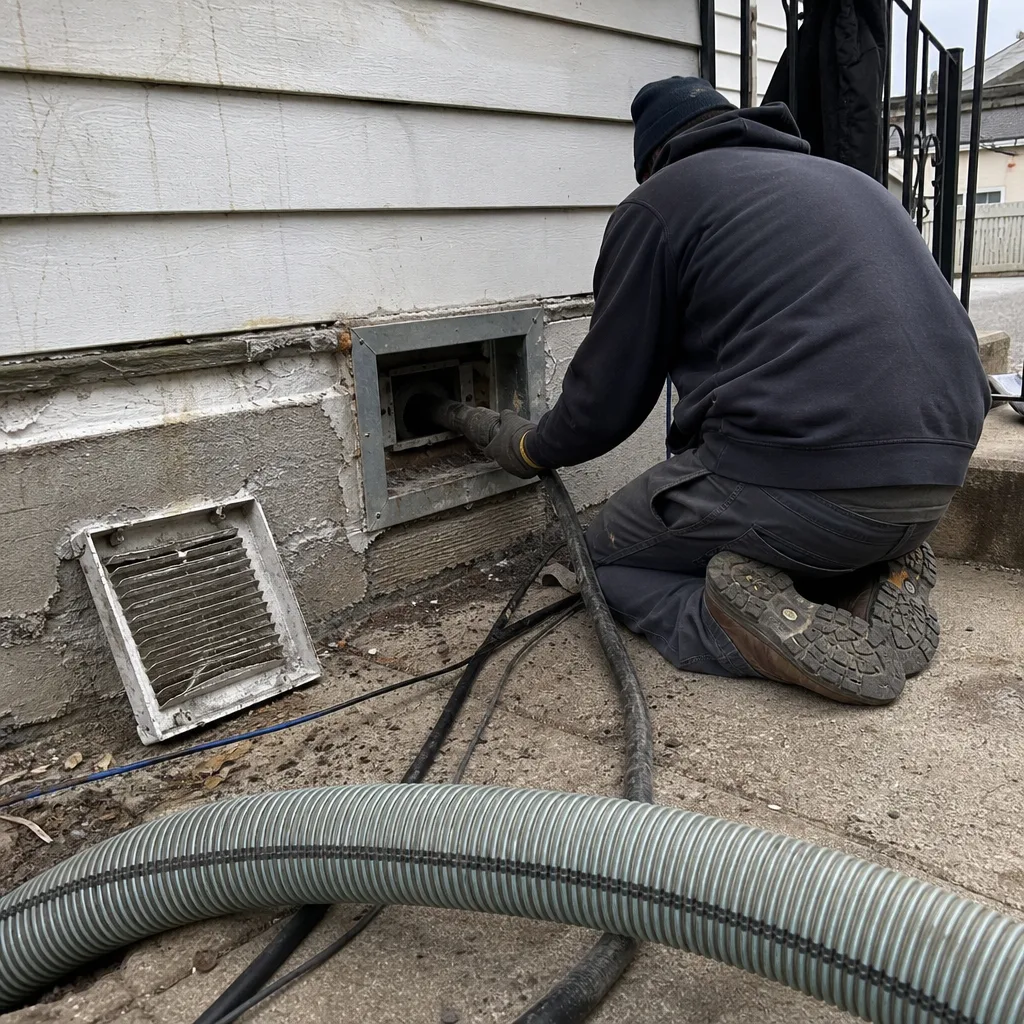 Before
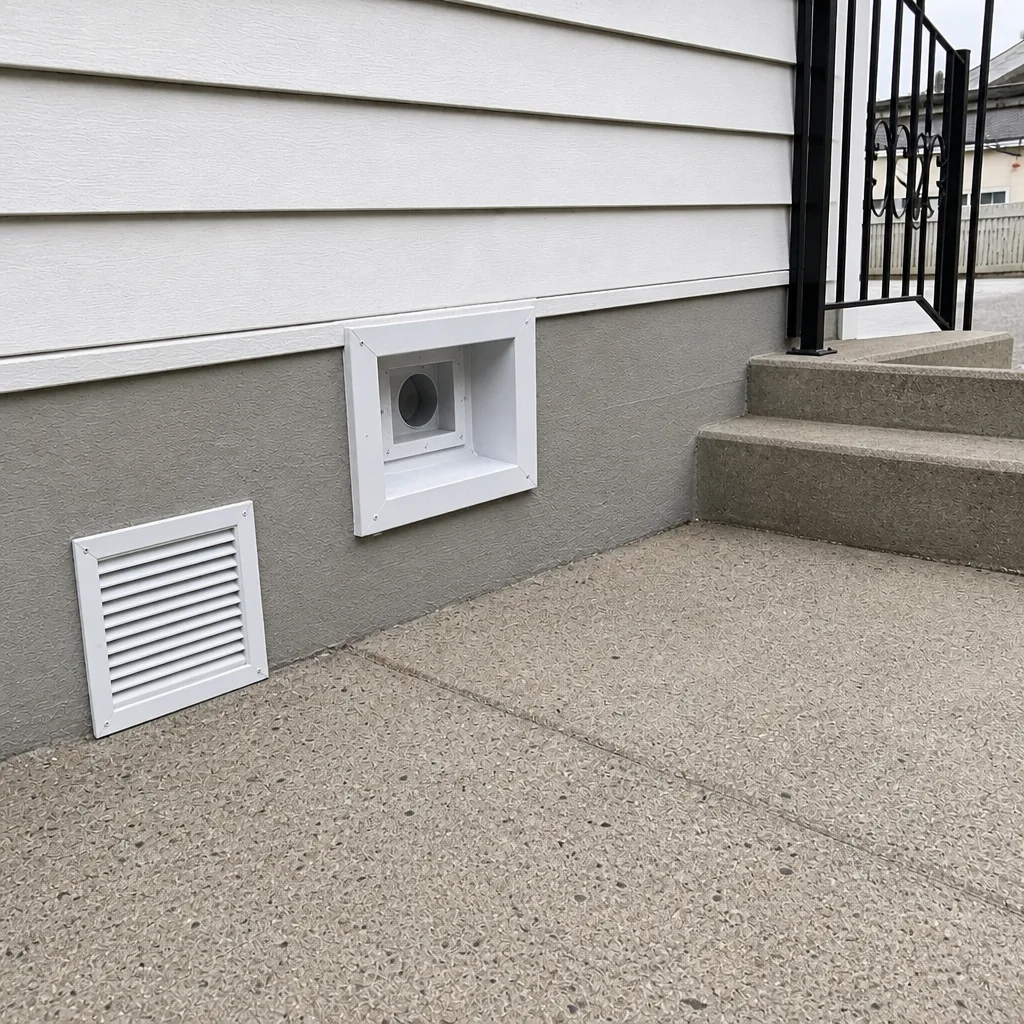 After
When to Call a Professional
Some jobs are homeowner tasks: changing filters, keeping grilles clear, watching for moisture. Others genuinely require professional equipment and containment. Call in a professional when you notice persistent musty odors when the HVAC starts up, visible mold or water staining near ducts, a significant dust buildup within weeks of cleaning, weak or uneven airflow across rooms, or worsening allergy symptoms that track with the heating or cooling season. Also call if your fall pre-heating inspection turns up loose or disconnected duct sections, since sealing a duct run is not a homeowner job. If you’ve never had the ducts cleaned and the home is older, a first professional inspection will tell you what’s actually there.
Sunnyside Air Duct Cleaning offers free estimates in Sunnyside. Call (877) 792-6029. We answer 24/7. A call outside dispatch hours is booked into the next opening, Sunday through Friday, 7am to 7pm.
Frequently Asked Questions
For most Sunnyside homes, a seasonal rhythm works better than a single annual cleaning: a pre-heating-season cleaning in early fall, and a post-pollen cleaning in late spring, with attention to moisture and filtration through summer and winter. Homes with pets, allergies, or heavy cooking exhaust may need more frequent attention. Call (877) 792-6029 for a free estimate and we’ll map a schedule to your home.
Summer humidity in Queens creates condensation on cool duct and coil surfaces, which can lead to moisture-loving growth inside the system. The urban heat island effect makes Sunnyside warmer and more humid on the same summer day, so the AC load is higher. If you notice musty odors or moisture near duct runs in summer, that’s worth a professional inspection.
Yes, cleaning before the first heating run is the most valuable single seasonal task. It removes the settled debris from the cooling season before the furnace distributes it through the house on its first cycle. Booking the cleaning in early fall, ahead of the switch, gives the best result. Call (877) 792-6029 for a free estimate and we’ll schedule around the heating season.
You can’t stop all of it, but you can reduce it: keep windows closed on high-pollen days, change filters after the pollen peak, keep return-air grilles clear and unobstructed, and have a professional check for return-air leaks and seal them. Cleaning after pollen season clears what got through. Estimates are free at (877) 792-6029.
The equipment and the containment. Professional cleaning uses mechanical agitation with purpose-built systems (Rotobrush and Nikro), high-volume extraction, and containment equipment (Abatement Technologies) to protect the home during cleaning. A shop-vac job can redistribute dust rather than remove it. Before booking, ask what equipment and containment a company uses.
It’s a separate service but fits the same care calendar. Dryer vents collect lint that can restrict airflow, and cleaning them is a fire-safety measure. Many homeowners schedule it alongside a seasonal duct cleaning. Call (877) 792-6029 for a free estimate and we can bundle the conversation, not the price, because each job is priced on its own written estimate.
The Bottom Line
Seasonal care is the core of duct maintenance in Sunnyside. Summer humidity and the urban heat island make condensation a real concern; fall is the pre-heating-season window when cleaning pays off most; winter shows how well your ducts hold up under constant heating cycles; and spring is the pollen season that loads the return-air path. Match your cleaning and inspection to these seasons, separate homeowner tasks from professional jobs, and address leaks as well as cleanliness. Sunnyside Air Duct Cleaning works on the full lifecycle, from cleaning and sealing to air-quality upgrades. For a full view of the services behind this guide, visit Sunnyside Air Duct Cleaning.
Call (877) 792-6029 for a free estimate. We answer 24/7. Fast dispatch from 7am to 7pm, Sunday through Friday. The written estimate sets the final price, one flat price per system agreed before work starts.
Written by the team at Sunnyside Air Duct Cleaning.