
Last updated November 22, 2026
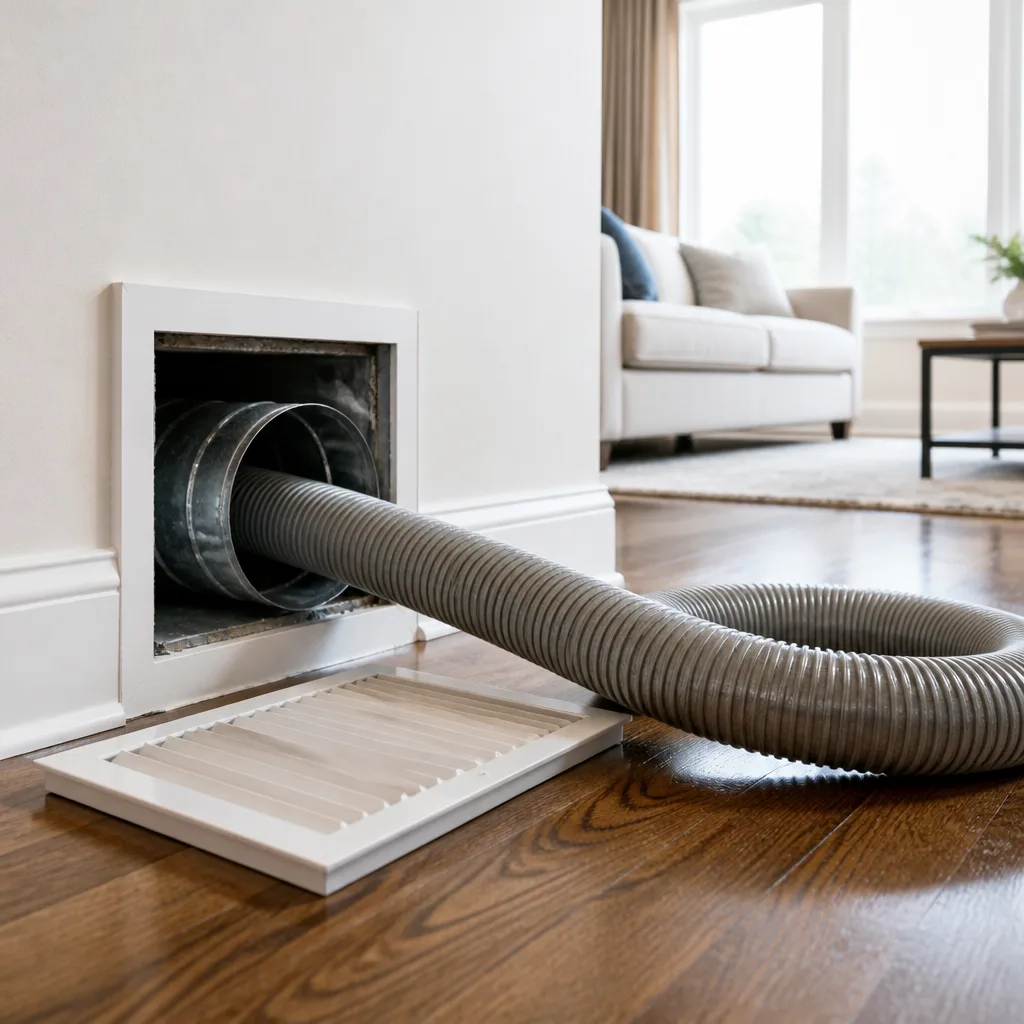 Whole-home duct cleaning
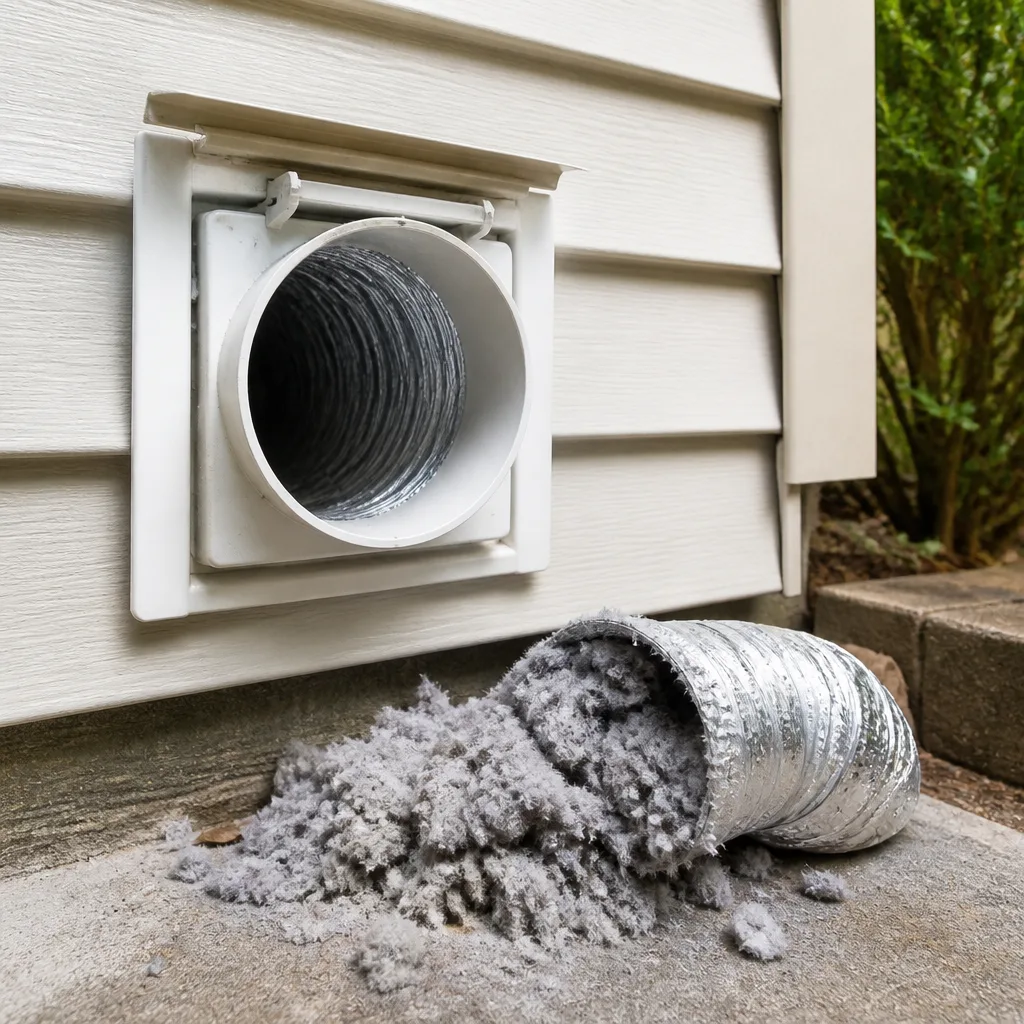 Dryer vent cleaning
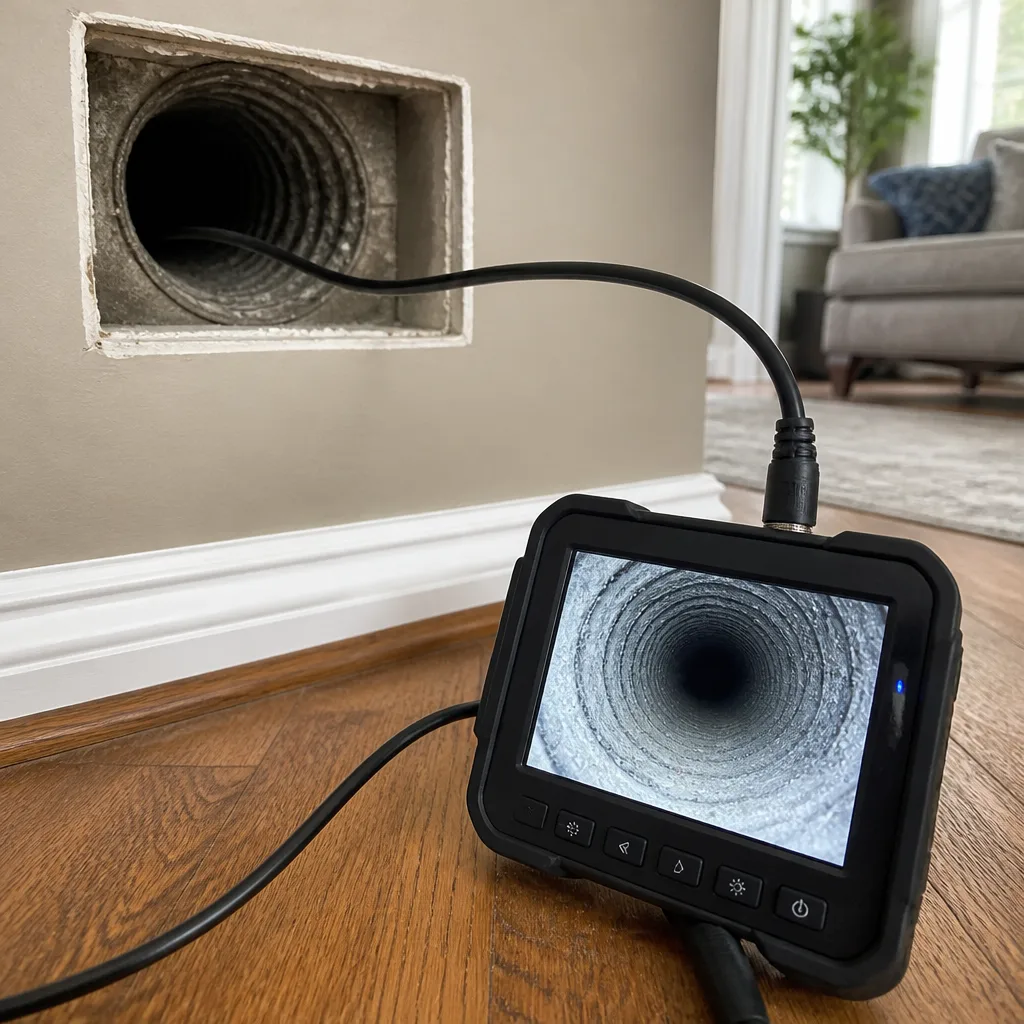 Camera inspection
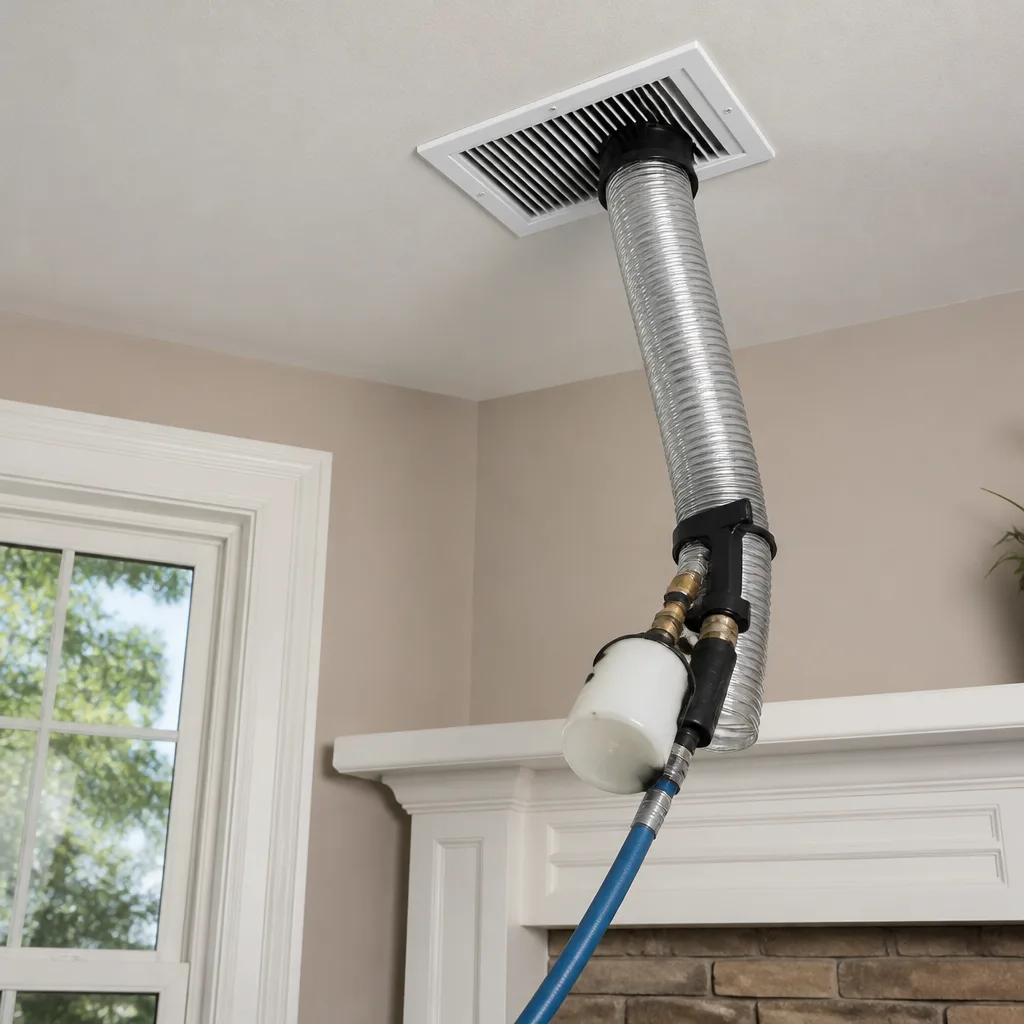 Sanitizing & deodorizing
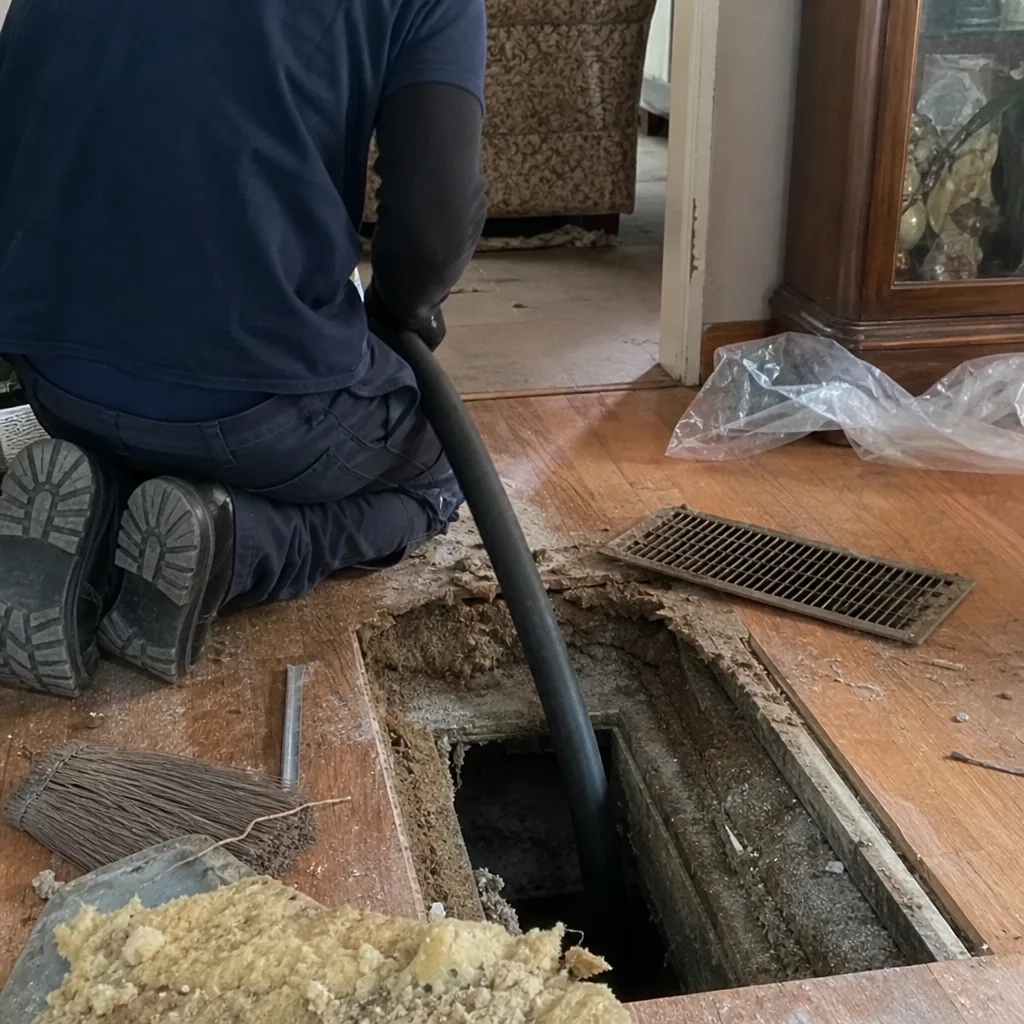
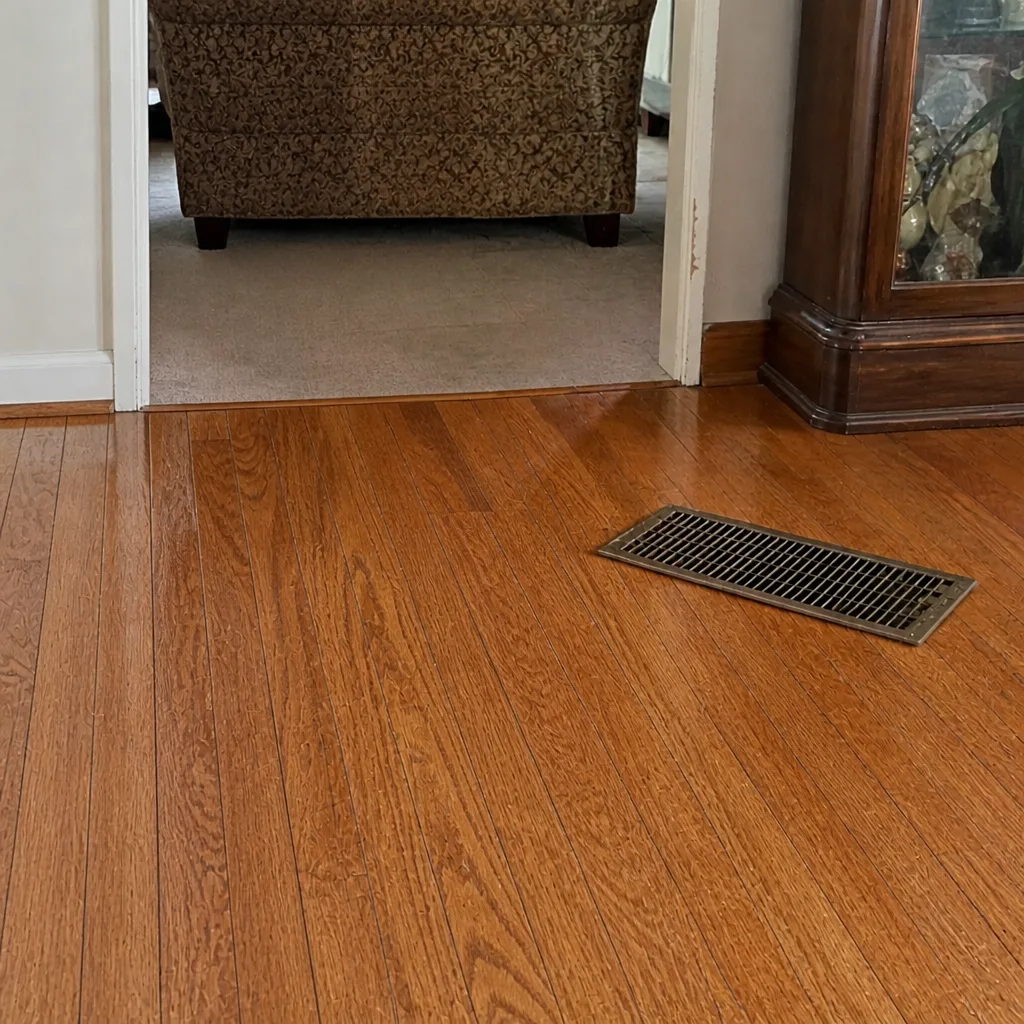
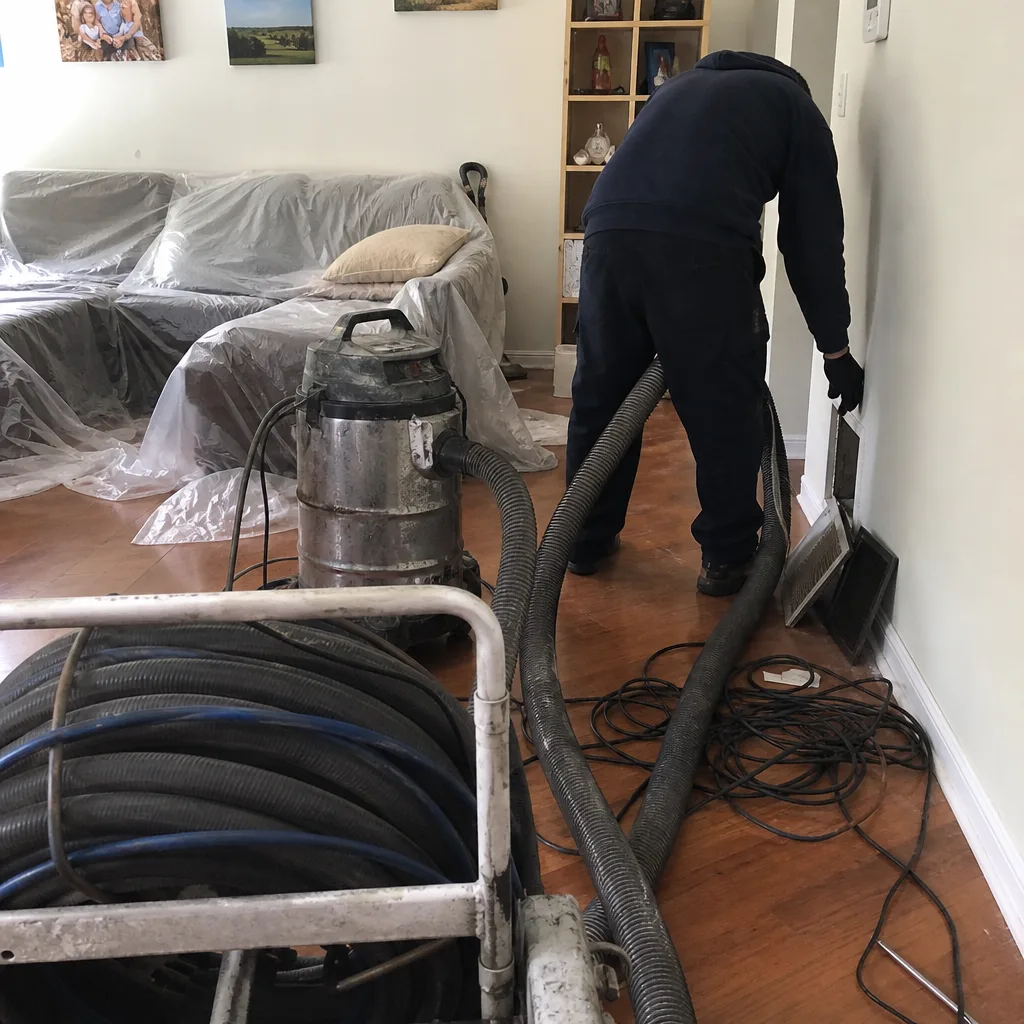
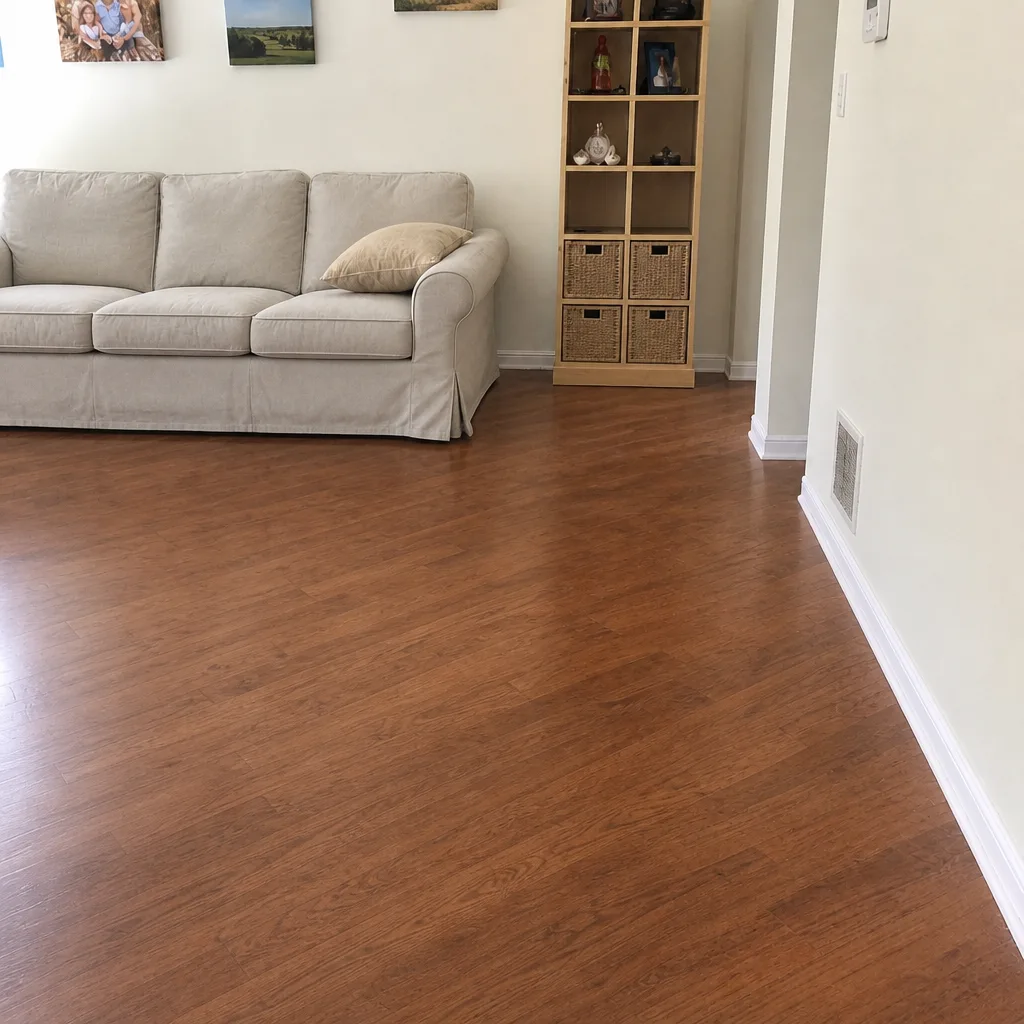
Whole-system duct and dryer vent check with before-and-after photos - you see exactly what came out of your vents
That "$99 whole-house special" is a bait ad - the real number appears once they are in your hallway, or the "clean" is a shop-vac at the register. We photograph the inside of your ducts before and after instead.
Air Duct Cleaning Cost Breakdown: The Sunnyside Homeowner’s Reference for 2026
Most homeowners in Sunnyside start shopping for duct cleaning with one question: “How much?” Then they get three quotes, none of them use the same structure, and the whole thing gets harder instead of easier. National averages put duct cleaning somewhere between $300 and $1,000, which is such a wide spread it tells you almost nothing about your own building. What that range really reflects is that the industry quotes in incompatible ways – per vent, per system, per hour, per package. This guide breaks down what each line item in a legitimate Sunnyside quote is actually paying for, so you can compare bids on value instead of just the bottom number, and spot the ones that will leave your ducts barely touched.
Styles & brands we work with
- Whole-home duct cleaning
- Dryer vent cleaning
- Camera inspection
- Sanitizing & deodorizing
Quick Answer
Air duct cleaning in Sunnyside typically runs a few hundred to just over a thousand dollars for a full residential system, and the final figure depends on how many HVAC systems the home has, how accessible the ductwork is, and whether you add sanitation or duct repair. Per-vent pricing is the biggest red flag in the market – it rewards speed instead of thoroughness. A proper quote is scoped to your whole system with one flat price agreed before work starts.
Table of Contents
- Why Duct Cleaning Quotes Vary So Much in Sunnyside
- The Line-Item Breakdown: What You’re Actually Paying For
- Why Per-Vent Pricing Is a Red Flag
- Add-Ons Worth the Cost vs. Upsells That Rarely Deliver
- The Cost-Per-Square-Foot Sanity Check
- Sunnyside-Specific Cost Drivers: Building Age, Duct Material, Access
- What Professional Equipment Actually Does to the Price
- Common Mistakes to Avoid
- When to Call a Professional
- Frequently Asked Questions
- The Bottom Line
Why Duct Cleaning Quotes Vary So Much in Sunnyside
The spread you see in duct cleaning quotes comes from three things that have nothing to do with how clean your ducts will end up: how the work is scoped, what equipment shows up, and which jobs the company is really set up to do. In Sunnyside, most of our housing stock ranges from early-1900s walkups to post-war brick buildings and newer multi-family conversions. Those three building types have almost nothing in common when it comes to duct layout, and a quote that treats them identically is a quote that hasn’t looked at your actual system.
A one-bedroom co-op on a lower floor may run a single short trunk with a handful of branches feeding two or three rooms. A two-story house with a full basement has longer runs, more transitions, and a furnace or air handler that needs to be part of the scope. A multi-family building may have separate systems for each unit, which multiplies the work without multiplying how much you see on a per-vent sheet. Older buildings also tend to have original sheet-metal work with joints and elbows that a fast vacuum pass never reaches.
Add duct material to the picture. Galvanized sheet metal cleans well with proper agitation. Flex duct (common in retrofits and additions) needs a gentler approach because corrugation traps debris and the liner can be damaged by aggressive tools. Fiberboard returns absorb moisture and odor and may call for sealing or repair rather than a scrubbing. A legitimate quote reflects which of these you actually have. A quote built on a flat per-vent number doesn’t know the difference – and doesn’t want to.
That is the first piece of value you’re paying for in a real Sunnyside quote: a company that assessed your system and priced the scope, not the number of registers on your wall.
The Line-Item Breakdown: What You’re Actually Paying For
When a proper quote arrives, it usually breaks into the same broad categories. Here is what each line represents, and what it should look like in Sunnyside.
1. Equipment transport and setup
Professional duct cleaning requires a truck-mounted or high-capacity vacuum, plus containment equipment that works negative-pressure style so debris doesn’t drift through the home. Setup alone can take a meaningful chunk of time before any cleaning starts. That cost is real, and it’s why a “too cheap” quote almost always skips it.
2. Negative-pressure containment
The crew seals the supply and return system, connects the vacuum, and keeps the system under negative pressure while they work. This is what keeps the dust inside the ductwork instead of the air you’re standing in. Companies using containment equipment from a manufacturer like Abatement Technologies are signaling they treat this as a contamination-control job, not a sweep-up.
3. Register and branch cleaning
Every supply and return register gets removed, cleaned, and reinstalled. Each branch run gets agitated with a mechanical brush or whip to loosen debris from the duct walls so the vacuum can move it out. This is where the per-vent model pretends it captures the whole job – it captures one small piece of it.
4. Main trunk and air handler work
The trunk line and the air handler (or furnace plenum) see the largest volume of air and accumulate the most debris. A thorough job includes agitating and vacuuming both, plus care around the evaporator coil so you don’t push debris into it.
5. Sanitation (optional)
Sanitizing uses a misted product applied inside the ducts after cleaning to reduce microbial growth. It is not a substitute for cleaning – it is a finishing step. Some homes need it, some don’t.
6. Documentation
Before-and-after photos, a written summary of what was found and what was done. Ask any company what documentation they provide. Companies confident in their work will show it without being asked.
- Equipment + containment – typical fixed cost, doesn’t shrink with the number of vents
- Register + branch cleaning – scales with the number of runs and their length
- Main trunk + air handler cleaning – scales with the size of the system
- Sanitizing – optional, priced separately, quoted as part of the whole job
- Documentation – included by any company that stands behind its work
We use professional-tier systems from Rotobrush and Nikro for the agitation and vacuum work, purpose-built for mechanical duct cleaning. The cost of that equipment is baked into the quote you see, literally. A van with a consumer vacuum doesn’t carry that cost – or produce that result.
Why Per-Vent Pricing Is a Red Flag
Per-vent pricing sounds fair. Ten vents, ten dollars each, a hundred bucks. In practice it rewards the company with the fewest vents on your system and the fastest possible pass through each one. It has no way to account for the size of the trunk line, the length of the runs, whether the ducts are accessible, or whether a proper containment setup was used at all.
Here is what per-vent pricing usually leads to on the day of the job:
- The van shows up with a number lower than expected. The quoted per-vent price is the hook.
- On-site, the technician “discovers” extensive work needed. Sanitizing, sealing, a second pass – all added to the bill before the work starts.
- The final invoice is larger than any whole-system quote you declined. The per-vent number was never the real price.
- What actually happened doesn’t match what you paid for. No containment, no documentation, no meaningful agitation of the trunk or branches.
A proper scope-based quote looks different. It states one flat price per system, agreed before work starts. It names what’s included: registers, branch runs, main trunk, air handler, containment, documentation. It quotes optional additions like sanitizing as a clear separate line. If the price changes on the day, it changes because the technician found something physical that wasn’t visible during the estimate (a collapsed flex section, a disconnected run), and that gets discussed before the work continues.
That’s the model we work on, and it’s the one we’d suggest you insist on from any company in Sunnyside. If a quote won’t commit to one price for one system, ask why. The honest answer is usually that per-vent pricing lets a company underbid and then find ways to grow the invoice.
Add-Ons Worth the Cost vs. Upsells That Rarely Deliver
Add-ons are where legitimate quotes and bait-and-switch jobs diverge most sharply. Some additions genuinely extend the value of a cleaning. Others are offered because they’re high-margin and easy to sell at the door.
Worth the cost
- dryer vent cleaning – lint buildup in the dryer vent is a real fire risk, and cleaning it in the same visit as your ducts is efficient. It’s a safety service, not a cosmetic one. Dryer vents cleaned. Fire risk reduced.
- Sanitizing – if you have pets, a recent moisture event, or family members with allergies, a full post-cleaning sanitize makes sense. Worth asking about, worth paying for when the situation calls for it.
- Duct repair and sealing – leaking joints and gaps let outside air and dust back into the system. If a technician finds real gaps during cleaning, sealing them is a fix, not an upsell. It addresses the root cause instead of the symptom.
- Air quality upgrades – filters, media cabinets, whole-home air quality systems from Honeywell or Aprilaire. If you’re going to own your home long enough to benefit from the upgrade, this is a meaningful improvement, not a line-item decoration.
Rarely deliver value in a standard residential job
- Fogging the ducts without cleaning them first – a scent or a chemical mist applied to a dirty duct doesn’t clean anything. Order matters here.
- “UV light” installs pitched as standalone fixes – a UV lamp has a place in some HVAC setups, but it isn’t a substitute for removing debris.
- Repeated maintenance contracts sold at the door – ask what the contract actually covers and how often you’ll genuinely need the service. Duct cleaning doesn’t need to happen on a fixed annual schedule for most homes.
Our HVAC cleaning work pairs with the duct cleaning on the same visit, and that’s often the single best add-on in a cold-weather climate. The heating season in Sunnyside puts the same air through the same system for months at a time, and cleaning both together avoids a second setup cost.
The Cost-Per-Square-Foot Sanity Check
When you have three quotes sitting in front of you, one way to sanity-check them against each other is cost per square foot. It isn’t a perfect metric, but it’s a useful one.
Here’s how to run it:
- Get the square footage of your home from your listing, deed, or a rough measurement – heated square footage, not including an unfinished basement or garage.
- Divide the total quoted price by the square footage. A job quoted at $900 for a 1,200 sq ft home runs about $0.75 per square foot.
- Compare across your quotes. If one quote comes in dramatically below the others per square foot, it’s likely leaving out containment, agitation, or the air handler. If one comes in dramatically above, it should be able to explain exactly what extra is included.
- Adjust for the number of systems. A multi-family unit with two separate HVAC systems serving the same square footage will cost more than a single-system home. Divide by number of systems as well, not just floor area.
This metric is a starting point, not a verdict. A house with difficult duct access (low crawlspaces, drop ceilings, runs through finished walls) will legitimately run higher per square foot than a home with straightforward sheet-metal runs and easy attic access. The point is to have a way to compare bids on something other than the headline number, so you can ask each company what explains the difference.
For a typical Sunnyside house in the 1,000-1,500 sq ft range with a single system, expect the estimate to land in the middle of the range rather than at the bottom of it. That’s the honest price of a job that includes containment and documentation.
Sunnyside-Specific Cost Drivers: Building Age, Duct Material, Access
The three factors that move a Sunnyside quote most are the age of the building, the duct material type, and how easy it is to reach the trunk and the air handler. Each one has a distinct effect on labor and on the equipment needed.
Building age
Older buildings in Sunnyside often have original sheet-metal ductwork with more joints, transitions, and elbows than newer construction. More joints means more places for debris to lodge and more spots a technician needs to agitate and vacuum, which grows the labor side of the quote. Older structures also sometimes have duct runs that were retrofitted into spaces that weren’t designed for them, which adds access time.
Duct material type
Galvanized metal is the easiest to clean thoroughly. Flex duct in retrofits and additions has to be treated more gently, and fiberboard returns often call for sealing or replacement rather than cleaning. A quote that doesn’t account for material type is a quote that assumed an easier job than yours.
Accessibility
The air handler has to be reachable. If it’s in a utility closet with easy access, the work moves faster. If it’s tucked behind finished walls or up in a tight attic, the labor climbs. Some Sunnyside basements and utility spaces require disassembly and reassembly of access panels before the vacuum can even be connected.
Multi-family and multi-system buildings
Buildings with separate systems per unit multiply the full scope. Each system needs its own containment setup, its own register and trunk cleaning, and its own documentation. Property managers doing this work across a rental or a small apartment building should get a per-system quote, not a per-vent one.
These are the factors we’re assessing when we walk through a Sunnyside home for a duct cleaning estimate. They’re the honest reasons a quote for two similarly sized homes down the street from each other can differ by a couple hundred dollars.
What Professional Equipment Actually Does to the Price
The biggest variable in a duct cleaning quote that most homeowners don’t see is equipment. A professional-grade setup from a manufacturer like Rotobrush or Nikro drives up the cost of the operation and drives up the price of the quote – and drives up what actually comes out of your ducts.
Here’s what those systems do that a consumer vacuum can’t:
- Mechanical agitation of the duct walls. A rotating brush or whip loosens caked-on debris that suction alone can’t lift.
- High-capacity negative pressure. A truck-mounted or industrial vacuum holds the system at negative pressure so debris is pulled out, not redistributed into rooms.
- Containment at every opening. Professional containment equipment – the kind associated with contamination-control work rather than duct-only cleaning – seals registers and returns so nothing escapes during the agitation step.
- Documentation gear. Cameras to look inside ducts before and after cleaning, so the company can show the work rather than describe it.
The hidden cost of a “cheap” cleaning isn’t the price you paid – it’s that you’ll pay again, often a few months later, because the first job wasn’t thorough. If a quote is drastically below what a properly equipped company in Sunnyside needs to charge to do the work, ask what equipment will arrive. If the answer is vague, that’s the answer.
Where the equipment names actually matter
Specific equipment brands on a quote aren’t marketing – they’re an indication of what will show up at your door. Rotobrush and Nikro are established names in the professional duct cleaning trade. Abatement Technologies containment equipment is used in restoration and mold remediation settings where controlling contamination is the whole job. Honeywell and Aprilaire are among the most established names in residential air quality and filtration, and Guardsman-grade products show up in the sanitizing step. Being able to say which of these a company works with is a reasonable question to ask during an estimate.
Common Mistakes to Avoid
- Comparing per-vent quotes to whole-system quotes. They aren’t the same product. A $99 per-vent offer and a $700 whole-system quote share a category name and nothing else – insist on an apples-to-apples comparison.
- Choosing the lowest bid without asking what’s included. In a Sunnyside building, the cheapest quote is often the one that skips containment, skips the air handler, and skips documentation. Ask the company to list what’s included before you sign.
- Adding sanitizing to a duct that hasn’t been cleaned properly first. Sanitizing is a finishing step. It has to come after cleaning, not instead of it.
- Assuming a maintenance contract is required. For most Sunnyside homes, duct cleaning on a schedule that matches actual need beats a fixed contract signed at the door.
- Overlooking dryer vent cleaning. A dryer vent that runs through an exterior wall in a multi-unit building has real fire risk if lint builds up. Getting it cleaned on the same visit as the ducts is efficient and safe.
- Not asking for photos. A company that can’t produce before-and-after photos of your own ducts hasn’t shown the work. Ask up front.
- Booking a low-cost service and not being present for the setup. If the technicians arrive without containment and start working, stop them and ask why. The setup is part of what you’re paying for.
When to Call a Professional
Duct cleaning isn’t a job you can do with a shop vac, and it isn’t something to skip on a hunch. It’s worth getting an estimate when any of the following apply: you’ve recently moved into a Sunnyside home and don’t know the last time the ducts were cleaned; you’ve finished a renovation that kicked up drywall dust; you notice more dust settling on surfaces than usual; someone in the home has allergies or asthma that seem to get worse indoors; you see visible debris, mold, or pest activity around a register; or you’re a landlord who needs documented cleaning for a rental turnover. Each of those situations is common, and each is better addressed with a professional scope than a quick vacuum pass.
Sunnyside Air Duct Cleaning offers free estimates in Sunnyside – call (877) 792-6029. Our technicians have up to 9 years of experience, and we’ll walk through the ducts, the air handler, and the property before quoting one flat price for the job.
Frequently Asked Questions
For a typical Sunnyside residential system, a full professional cleaning runs somewhere in the mid-hundreds to just over a thousand dollars, depending on how many systems you have, duct material, accessibility, and whether you add sanitizing or repair. The written estimate is what sets the final price, and we quote one flat price per system before any work starts. Call (877) 792-6029 for an exact quote – estimates are free.
Cheap quotes are almost always per-vent pricing or jobs that skip containment, skip the air handler, or skip documentation. The low number is real – it’s just for a much smaller scope than a proper whole-system cleaning. If you compare two quotes, ask each company what equipment arrives, whether containment is used, and whether before-and-after photos are provided. The answer tells you which quote you’re actually comparing.
Ask for before-and-after photos of your own ducts, taken at the registers and inside the trunk line, plus a written summary of what was cleaned and any issues found. Any company confident in its work will provide this without being asked. If a company can’t show you its own work, that’s the answer you needed.
For most homes, every few years is reasonable, and many homes go longer than that if the ducts are sealed and the filter is changed on schedule. Homes with pets, recent renovations, allergy sufferers, or a humid basement that grows mold benefit from more frequent cleaning. A fixed annual schedule isn’t necessary for a standard Sunnyside co-op or house.
Yes, because each unit’s system has to be scoped and cleaned separately – its own containment setup, its own registers and trunk, its own documentation. That’s why property managers should ask for a per-system quote rather than a per-vent one. The per-system model reflects the actual scope instead of a vent count.
Yes, especially in Sunnyside buildings where the dryer vent runs through an exterior wall or a shared building cavity. Lint buildup is a documented fire hazard, and cleaning it on the same visit as the ducts is efficient. It’s one of the add-ons that reliably earns its place on the quote.
Same-day appointments are often possible for estimates and standard cleanings, depending on schedule. Call (877) 792-6029 and we’ll tell you what’s available. We answer 24/7. Fast dispatch from 7am to 7pm, Sunday through Friday, and we’re closed Saturday.
The Bottom Line
The right way to compare duct cleaning quotes in Sunnyside is to look at scope, not just the bottom number. A legitimate quote names what’s included – containment, register and branch cleaning, trunk and air handler work, documentation – and prices the whole system, not the vent count. Per-vent pricing is a structure that rewards speed, not thoroughness, and it’s the model behind most of the upsell problems in this market. Our approach at Sunnyside Air Duct Cleaning is one flat price per system, agreed before work starts, using professional equipment from Rotobrush, Nikro, and Abatement Technologies. If you want to see what the whole job actually looks like on paper, we’ll walk you through it with an air duct cleaning estimate for your specific building.
Call (877) 792-6029 for a free estimate. We answer 24/7. Fast dispatch from 7am to 7pm, Sunday through Friday. We’ll walk the ducts, explain the scope in plain terms, and put one price in writing before anything gets cleaned. That’s the whole point of comparing quotes on value – you get to see what you’re paying for.
Written by the team at Sunnyside Air Duct Cleaning.
See the difference
 Before
 After
 Before
 After
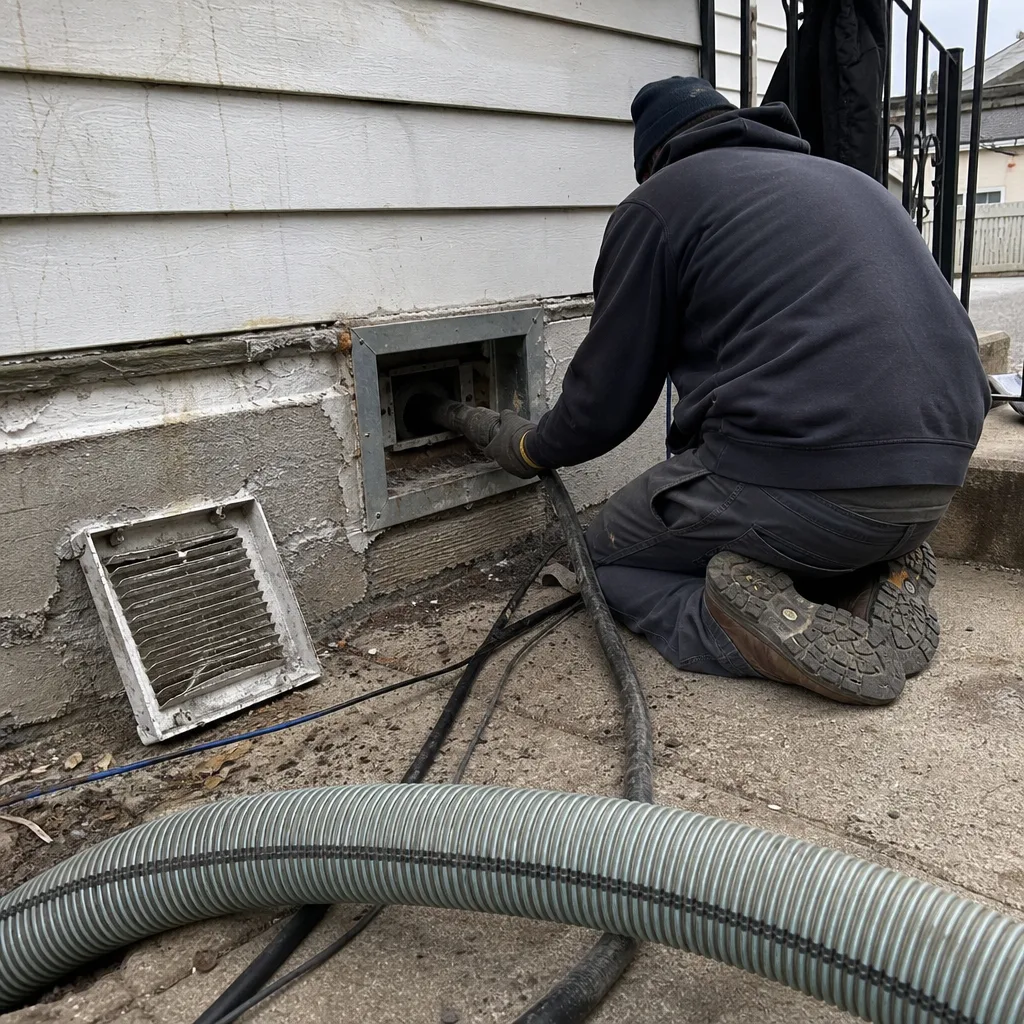 Before
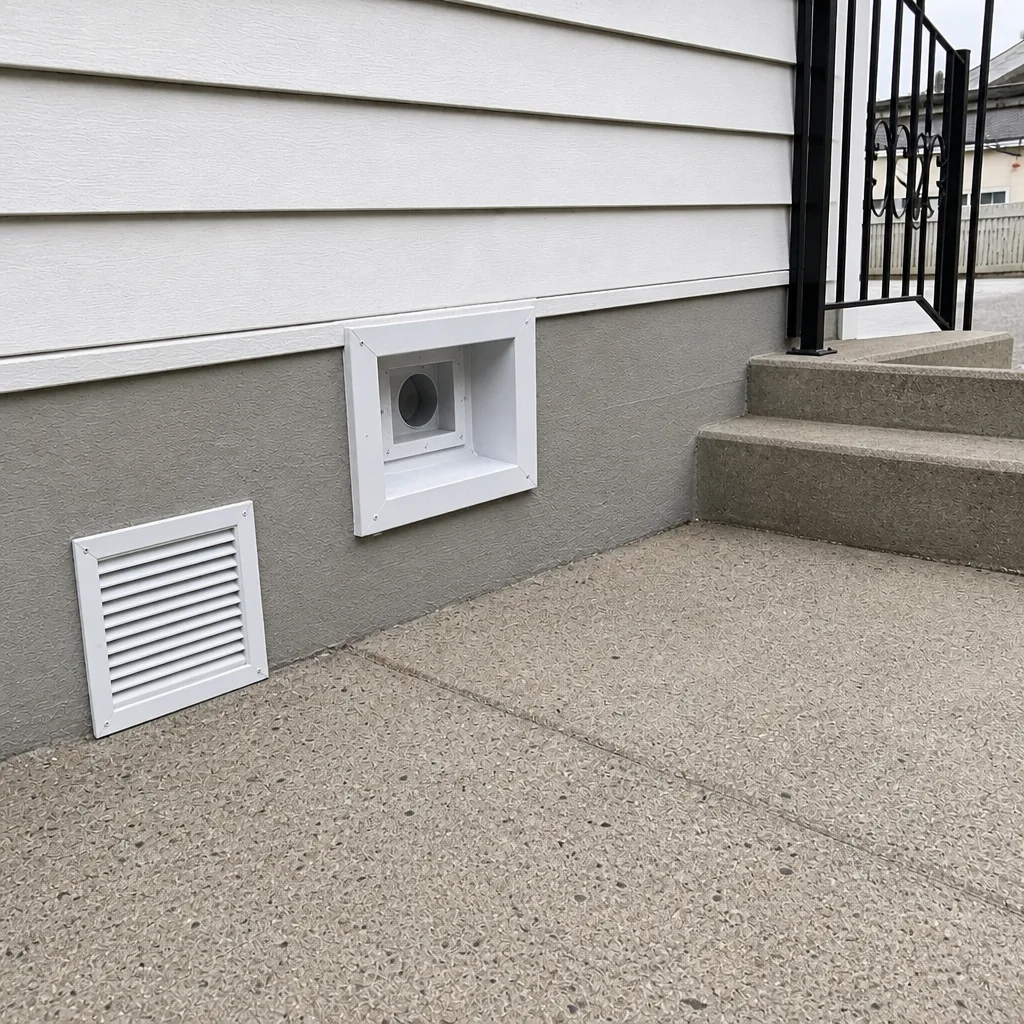 After