
Last updated November 22, 2026
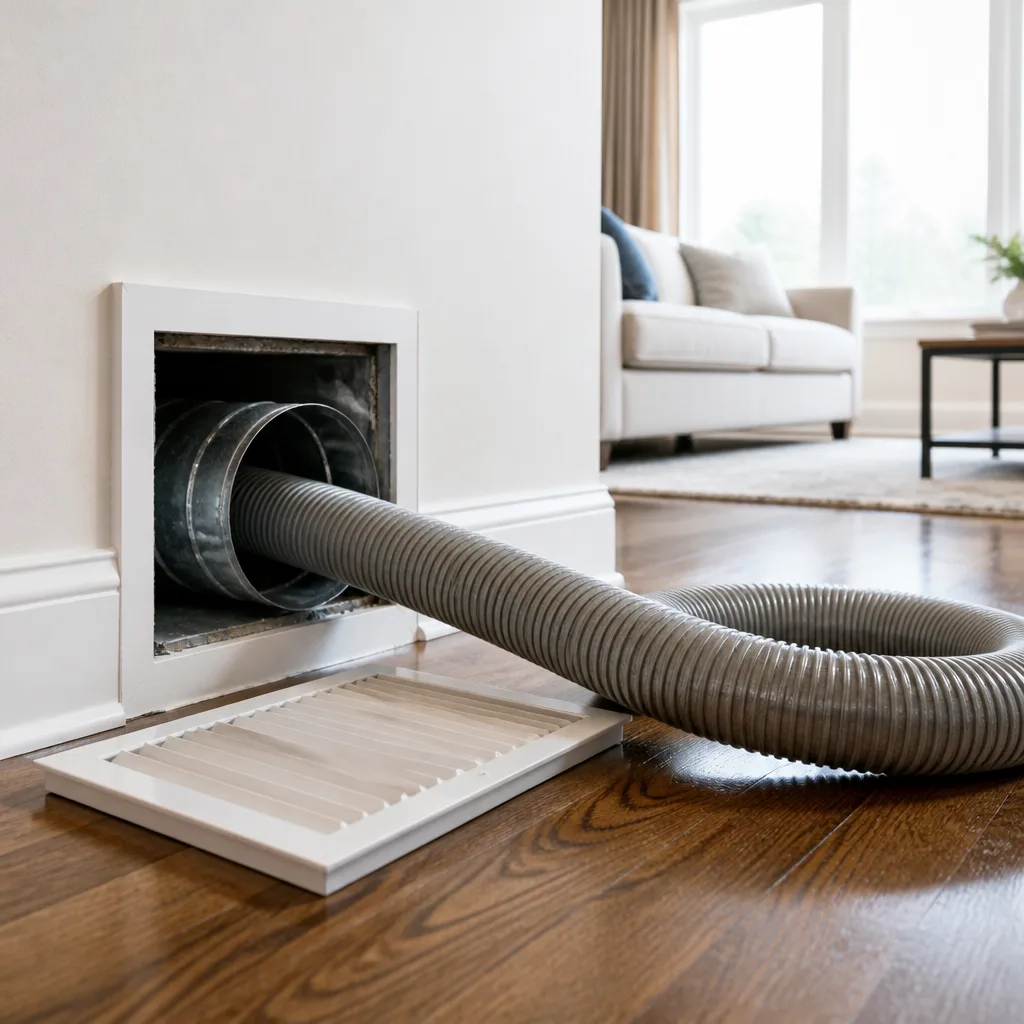 Whole-home duct cleaning
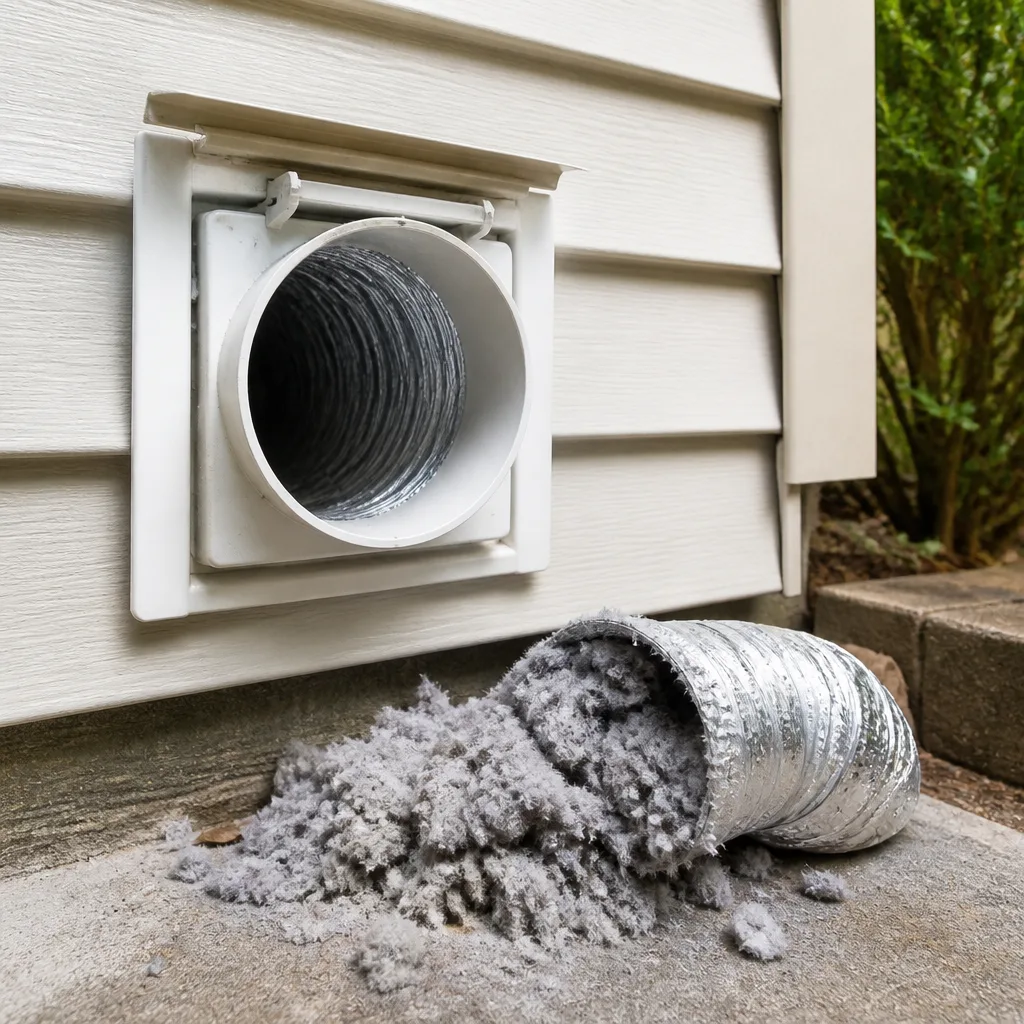 Dryer vent cleaning
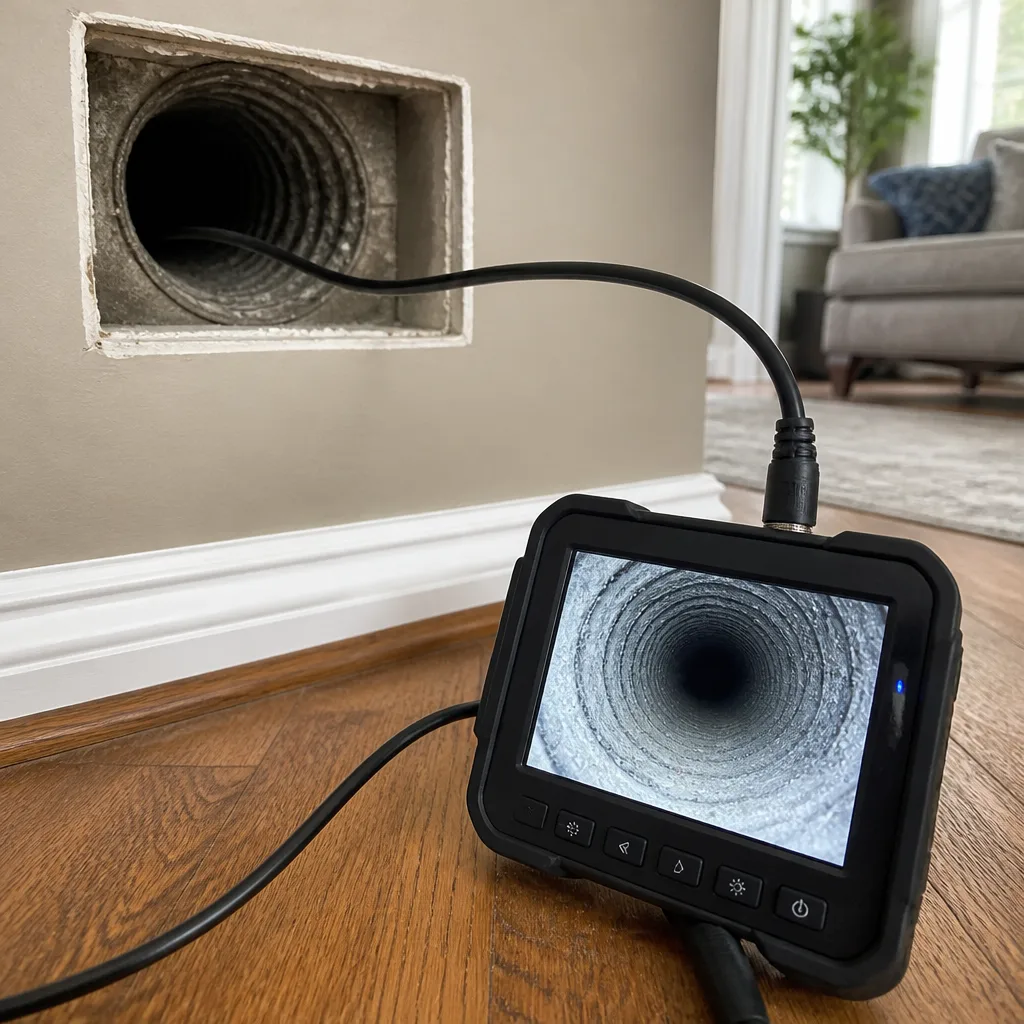 Camera inspection
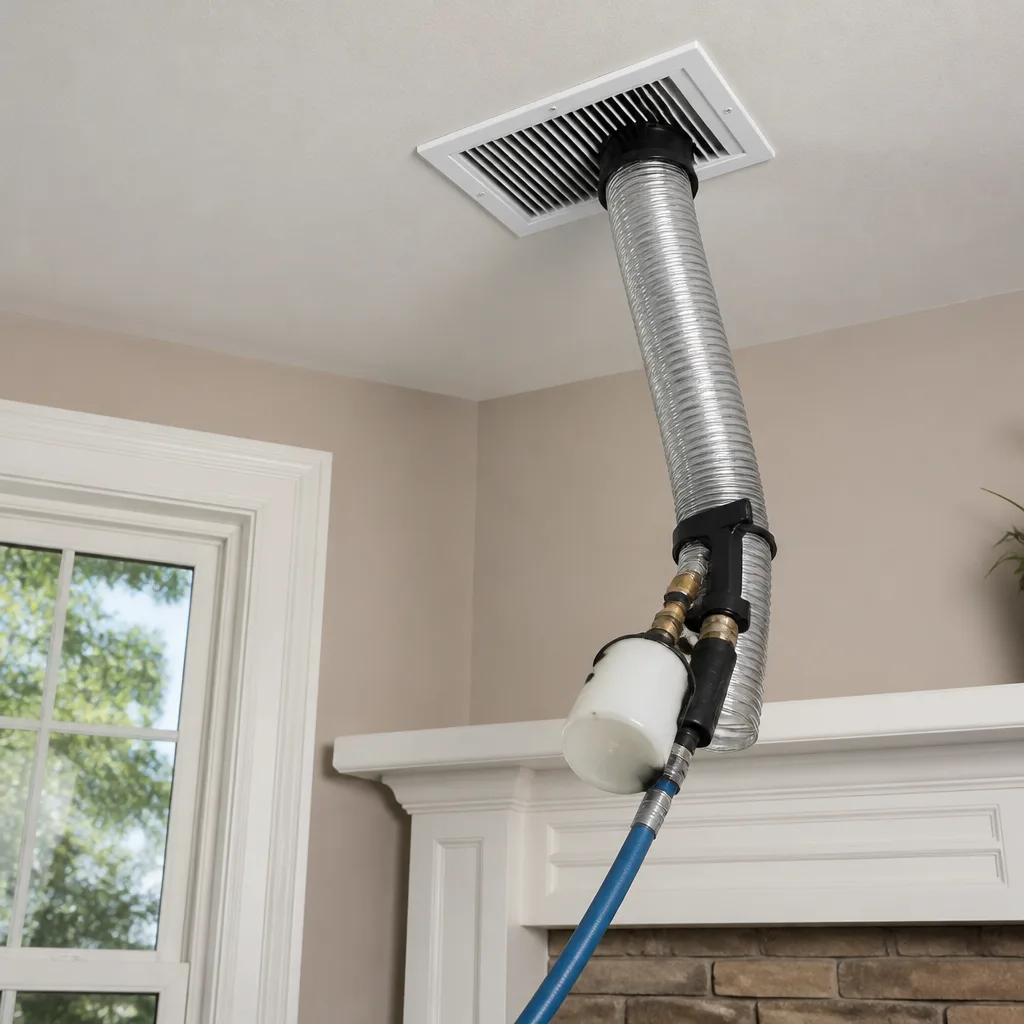 Sanitizing & deodorizing
Whole-system duct and dryer vent check with before-and-after photos - you see exactly what came out of your vents
That "$99 whole-house special" is a bait ad - the real number appears once they are in your hallway, or the "clean" is a shop-vac at the register. We photograph the inside of your ducts before and after instead.
Air Duct Cleaning Emergency Preparedness Guide for Sunnyside Homes
After a basement flood, most homeowners focus on the visible water: the soaked rugs, the ruined boxes, the wet drywall. What they forget is that the return air system kept pulling contaminated air through every duct in the house for hours before the HVAC was finally shut off. By the time the fans stop, the ducts have already carried moisture, particles, and whatever else was in the air into rooms that look completely dry.
Sunnyside homes are full of tight, connected systems like this. That’s what makes a calm, ordered response so valuable. This guide walks through four emergency scenarios, what to do in the first 24 hours, how to document duct condition for insurance, and the questions that separate a qualified responder from an opportunist.
Quick Answer
After a flood, fire, renovation, or pest discovery in a Sunnyside home, the first move is to shut off the HVAC system so it stops spreading contaminants, then photograph the ductwork before anyone cleans it. A standard cleaning handles dust and debris. Water intrusion, smoke residue, mold, or biological contamination usually calls for remediation-level service rather than a routine pass.
Styles & brands we work with
- Whole-home duct cleaning
- Dryer vent cleaning
- Camera inspection
- Sanitizing & deodorizing
Table of Contents
- Scenario 1: Water Intrusion and Flooding
- Scenario 2: Smoke and Fire Damage
- Scenario 3: Renovation Dust
- Scenario 4: Pest Infestation
- What to Do in the First 24 Hours
- How to Document Duct Condition for Insurance
- Standard Cleaning vs. Remediation-Level Service
- Questions to Ask Before You Book
Scenario 1: Water Intrusion and Flooding
Water and ductwork are a bad combination because ducts are dark, often insulated, and rarely inspected. One wet season in a Sunnyside basement or a soaked first-floor return can leave materials damp long after the visible water is gone. Mold can establish in porous duct lining within a short window once moisture is present, so speed matters more than a perfect plan.
Here’s the sequence that keeps the problem from spreading:
- Turn off the HVAC system at the thermostat and at the breaker if you can reach it safely.
- Stop any additional water source (sump, hose, appliance supply line) and remove standing water.
- Photograph the visible duct openings, returns, and any drip marks before you dry surfaces.
- Get air moving with fans and a dehumidifier to start drying the structure.
- Call a duct professional to assess the interior of the ductwork before you run the system again.
Remember that a water event doesn’t have to reach the ducts directly to affect them. High humidity from a flood or a slow leak can travel through a return system and leave condensation inside duct runs in rooms that never saw water. Sunnyside’s older housing stock includes plenty of tight basement and first-floor layouts where this happens quietly.
Once the space is dry, the question becomes what’s left inside the system. That’s when air duct cleaning is worth scheduling as a baseline, so you’re starting from a known condition rather than a guess.
Scenario 2: Smoke and Fire Damage
Smoke residue is deceptive. It travels on air currents, settles into duct walls, and leaves an odor that returns every time the system runs, even weeks later. Fire cleanup crews handle surfaces and structure, but the duct system is often treated as an afterthought.
A straightforward response protocol:
- Keep the HVAC off until the fire department and your insurer have cleared the property.
- Ask the fire restoration team whether ductwork is part of their scope, or whether it’s separate.
- Photograph duct grilles and any visible soot staining before cleaning begins.
- Plan for HVAC cleaning plus a sanitizing pass, not just a surface wipe of the registers.
- Get a written scope before work starts so you know what’s being cleaned and what’s being sealed.
Smoke particles are fine enough to sit inside flex duct and coil assemblies. A standard cleaning removes loose debris, but smoke residue often needs a sanitizing step in addition to the mechanical clean. That’s where HVAC cleaning becomes relevant, since the coil, blower, and cabinet can hold odor long after the visible ducts look clean.
We use Abatement Technologies containment equipment on remediation jobs specifically because it keeps contamination from migrating into living space while we work. On a smoke job, containment matters more than speed.
Scenario 3: Renovation Dust
Renovation dust is the most common and least respected duct emergency. Drywall dust, sawdust, and insulation fibers get pulled into the return system from the moment sanding begins. By the time the job is done, the ducts have become a storage bin for the finest particles in the house.
The most useful habit is to plan for the ductwork before the demolition starts:
- Seal registers and returns with plastic and tape before any cutting or sanding.
- Turn off the HVAC during heavy dust activities, and keep it off until cleanup is done.
- Use a HEPA vacuum on surfaces and a shop vac rated for fine dust during demolition.
- Schedule a duct cleaning once the project is finished and surfaces are clean.
- Ask whether duct sealing is worth adding if the renovation revealed gaps or disconnected runs.
Renovations often uncover duct problems you couldn’t see before: crushed flex runs, disconnected joints, gaps at plenum connections. Cleaning without sealing just means the system pulls dust back into the ducts from the crawl space or basement. That’s why we pair cleaning with duct repair and sealing when the walkthrough shows the system is leaking. Treat the symptom and the cause together and the results hold.
Scenario 4: Pest Infestation
Rodents, squirrels, and insects find duct runs because ducts are warm, protected, and connected to the outside. A single gap in an exterior run is enough. What you notice first is often noise, odor, or droppings near a register, not the animals themselves.
Handle it in this order:
- Identify and seal the entry point before any cleaning. Cleaning first invites the same problem right back.
- Remove nesting material, droppings, and carcasses as part of the remediation, not just the visible surfaces.
- Sanitize the affected duct runs and any porous material inside.
- Replace insulated flex where the liner has absorbed odor or moisture.
- Re-inspect exterior terminations, roof jacks, and crawl space connections for other openings.
Pest work is genuinely remediation, not maintenance. A standard cleaning doesn’t address biological contamination. If droppings are present inside the duct, insist on a written scope that names sanitizing and material replacement among the steps.
Sunnyside’s mix of older homes and tight lots means exterior duct connections aren’t always easy to reach. Expect a proper inspection before anything is cleaned.
What to Do in the First 24 Hours
The first day after an emergency sets the trajectory. The wrong first move can spread contamination; the right one buys you time to make thoughtful decisions.
Use this checklist as a general sequence:
- Shut off the HVAC. On water, smoke, and pest events, this is nearly always the right first move. On renovation jobs, ventilation is your friend, so keep the system off and open windows instead.
- Protect the air. Close interior doors to rooms that were affected. Tape plastic over registers in dry areas if contamination is a concern.
- Document before you clean. Photos, notes, timestamps. Not glamorous, but insurance adjusters respond to this far better than a verbal recounting later.
- Call your insurer or property manager. Ask what documentation they need and whether ductwork is covered in your policy.
- Schedule assessment before cleaning. Get a professional to open up the system, inspect it, and quote before any work starts.
If the event happened overnight or on a Saturday, a call to a professional line is still the fastest path forward. We answer 24/7. A call outside dispatch hours is booked into the next opening, Sunday through Friday, 7am to 7pm.
How to Document Duct Condition for Insurance
Documentation is the difference between a clean claim and a prolonged argument. Insurance adjusters prefer specifics: photos, scope documents, and clear cause-and-effect between the event and the damage. Verbal descriptions and receipts alone are weaker than a systematic record.
Here’s what to capture before cleaning begins:
- Wide shots of the affected area and the duct system as a whole.
- Close-ups of registers, returns, and any visible damage or staining.
- Notes on the date and time of the event and the HVAC shutoff.
- Photos inside the duct if you can see debris, watermarks, or pest evidence with a flashlight.
- A written scope of work from the contractor before any cleaning begins.
- Before and after photos shot by the contractor as part of the job record.
We take before-and-after photos of every job we run. They belong to the homeowner as much as to us: they’re proof of work done and a useful record for a future claim, resale, or rental turnover.
Landlords and property managers in Sunnyside should treat documentation as part of the service standard. A single photo set per unit saves arguments later, especially where tenants change hands between leases.
Standard Cleaning vs. Remediation-Level Service
Not every dirty duct is an emergency. The trick is knowing which side of the line you’re on. Standard cleaning removes accumulated dust, debris, and light buildup. Remediation-level service also addresses contamination: mold, smoke residue, biological waste, water damage.
Here’s a rough way to tell them apart:
| Signs | Likely Service Level |
|---|---|
| Visible dust in registers, light debris | Standard cleaning |
| Renovation dust after a project | Standard cleaning, possibly with HVAC cleaning |
| Musty odor with no obvious source | Inspection, possible remediation |
| Water intrusion in ducts or wet insulation | Remediation, plus material replacement |
| Smoke residue with recurring odor | HVAC cleaning plus sanitizing |
| Pest evidence, droppings, or nesting | Remediation, sealing, sanitizing |
| Mold visible inside the duct | Remediation with containment |
Remediation jobs should always include containment equipment. We use Abatement Technologies containment on these jobs because the alternative is redistributing contamination into rooms that were previously clean. Mechanical cleaning systems from Rotobrush and Nikro handle the deep clean; containment handles the safety of the working space.
Sanitizing is where we bring in a Guardsman-grade product line. That step matters on smoke, water, and pest jobs alike, and it’s the difference between ducts that merely look clean and ducts that actually are.
If your air quality goals go beyond cleaning, we also install Honeywell and Aprilaire systems. Those fit naturally with a full duct-health plan since they tackle what comes into the air after the ducts are clean.
Questions to Ask Before You Book
Emergencies are exactly when opportunists find work. A calm, informed phone call before the truck arrives filters out most of the problem operators. Ask these questions before anyone shows up:
- What inspection do you do before quoting? A real assessment opens the system, not just the register.
- What equipment will you bring? Expect professional-grade mechanical systems and containment, not a shop vac.
- Do you charge by the system or by opening? Per-vent pricing is a common cause of surprise invoices.
- Will you provide before-and-after photos? If they hesitate, that’s the answer.
- What’s included in the written scope? Cleaning is one thing; sealing, sanitizing, and repair are separate steps.
- Do you carry the right insurance for the work? The local pro should be licensed and insured as their state requires.
- What happens if you find mold, pests, or water damage? A qualified responder has a plan for that, not just a sale.
For a same-day booking, we can often work something in when the schedule allows. Call (877) 792-6029 and we’ll talk it through. We answer 24/7. Fast dispatch from 7am to 7pm, Sunday through Friday.
Common Mistakes to Avoid
The most expensive problems we see after an emergency usually start with one of these errors:
- Running the HVAC “just to check” after a flood. That one minute of runtime can pull contaminated air through every duct in the system. Keep it off until the ducts are inspected.
- Cleaning before documenting. Once the ducts are cleaned, the evidence insurers need is gone. Photograph first, clean second.
- Booking the first person with a duct-shaped ad. Duct cleaning has a low barrier to entry. Ask about equipment brands and the written scope before committing.
- Treating pest work as a cleaning job. If the entry point isn’t sealed and the duct sanitized, the animals come back. Sealing is non-negotiable.
- Ignoring the ducts after a renovation. Drywall dust doesn’t disappear because the surface looks clean. It settles into duct wall and coil assemblies, then moves into rooms the first time the system kicks on.
- Skipping the HVAC cabinet. Cleaning ducts without cleaning the coil and blower is a partial job. Smoke and pest problems come back from the cabinet, not the duct runs.
- Not asking whether the local pro is licensed and insured. Emergency calls attract opportunists. This is the last place to skip the check.
See the difference
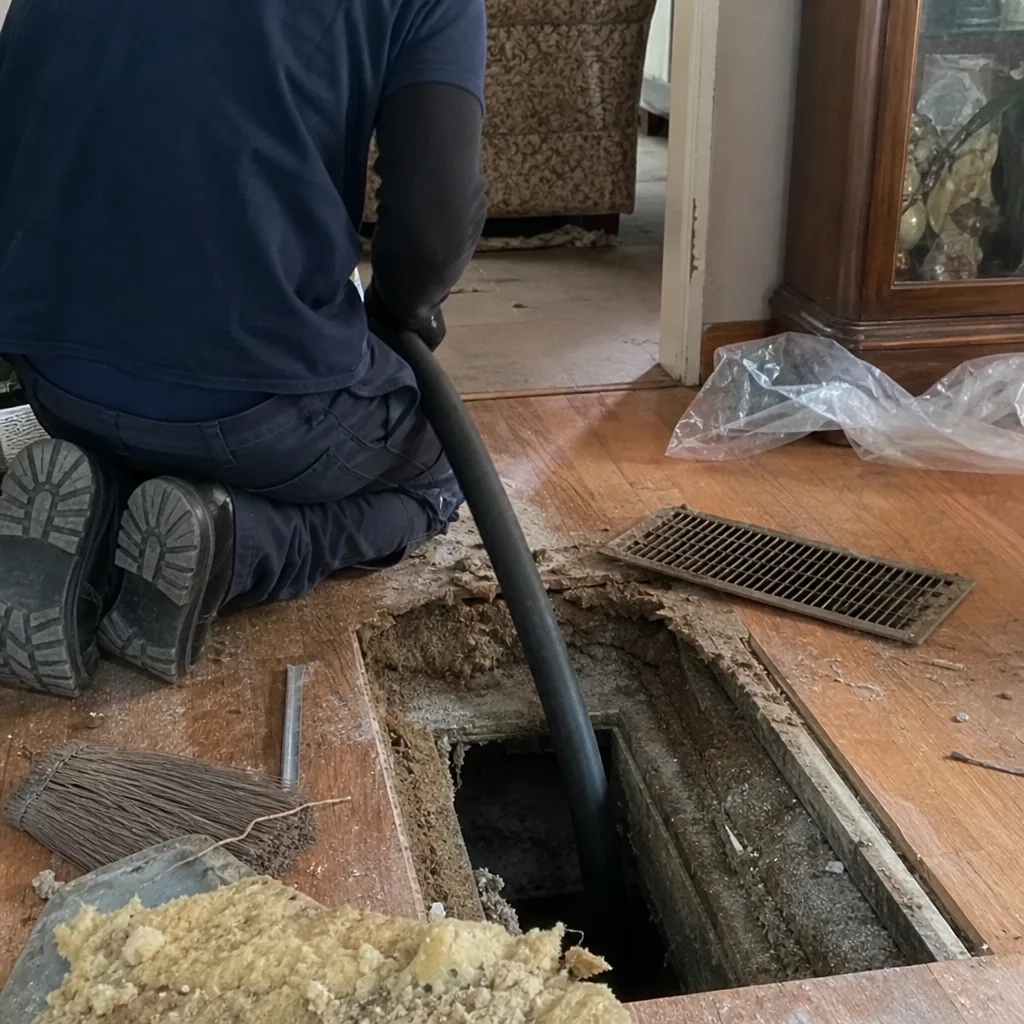 Before
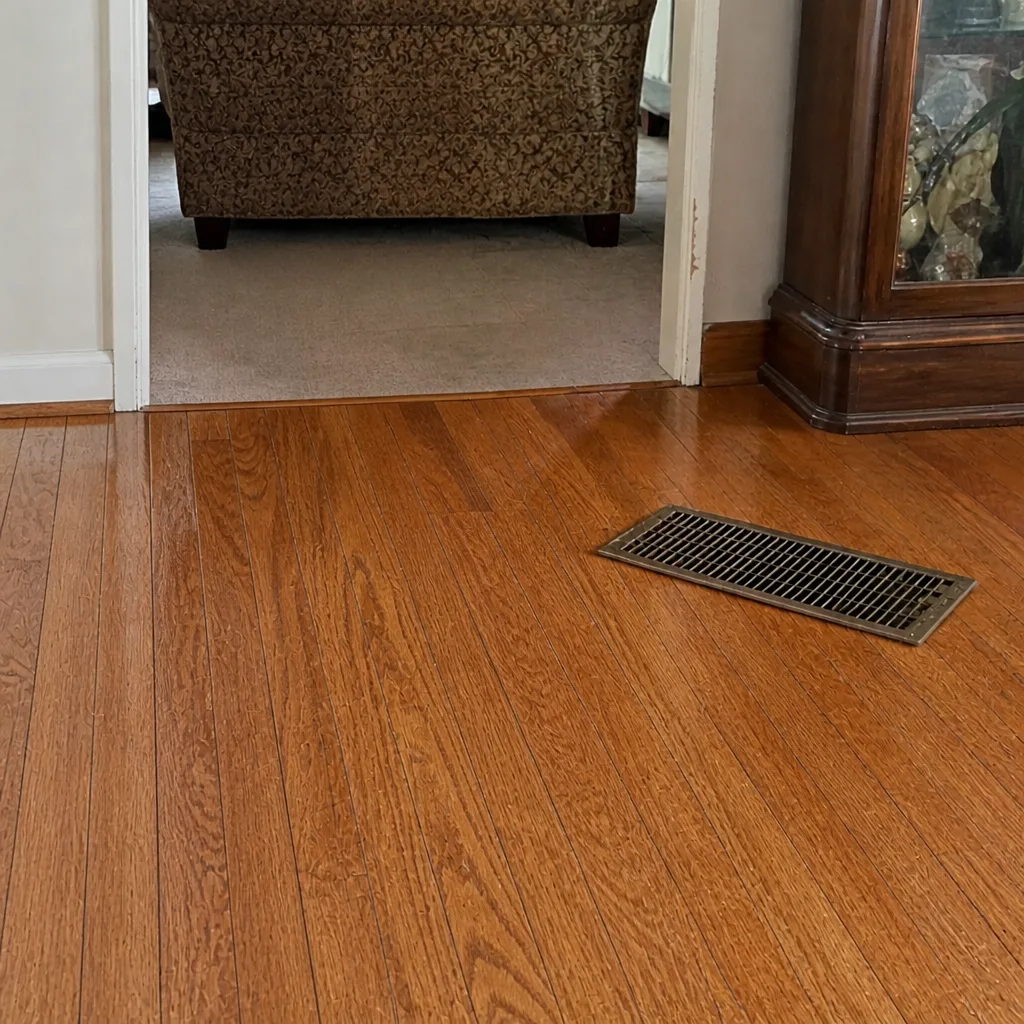 After
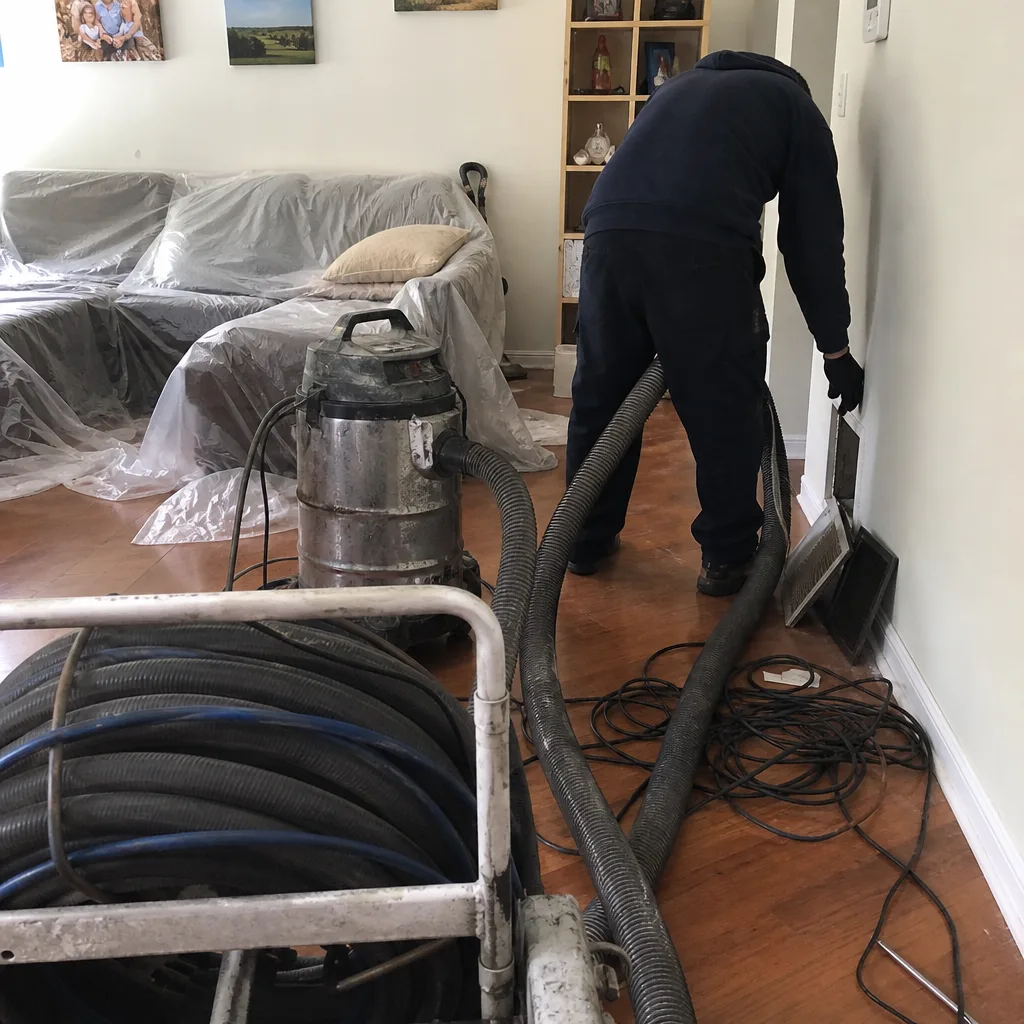 Before
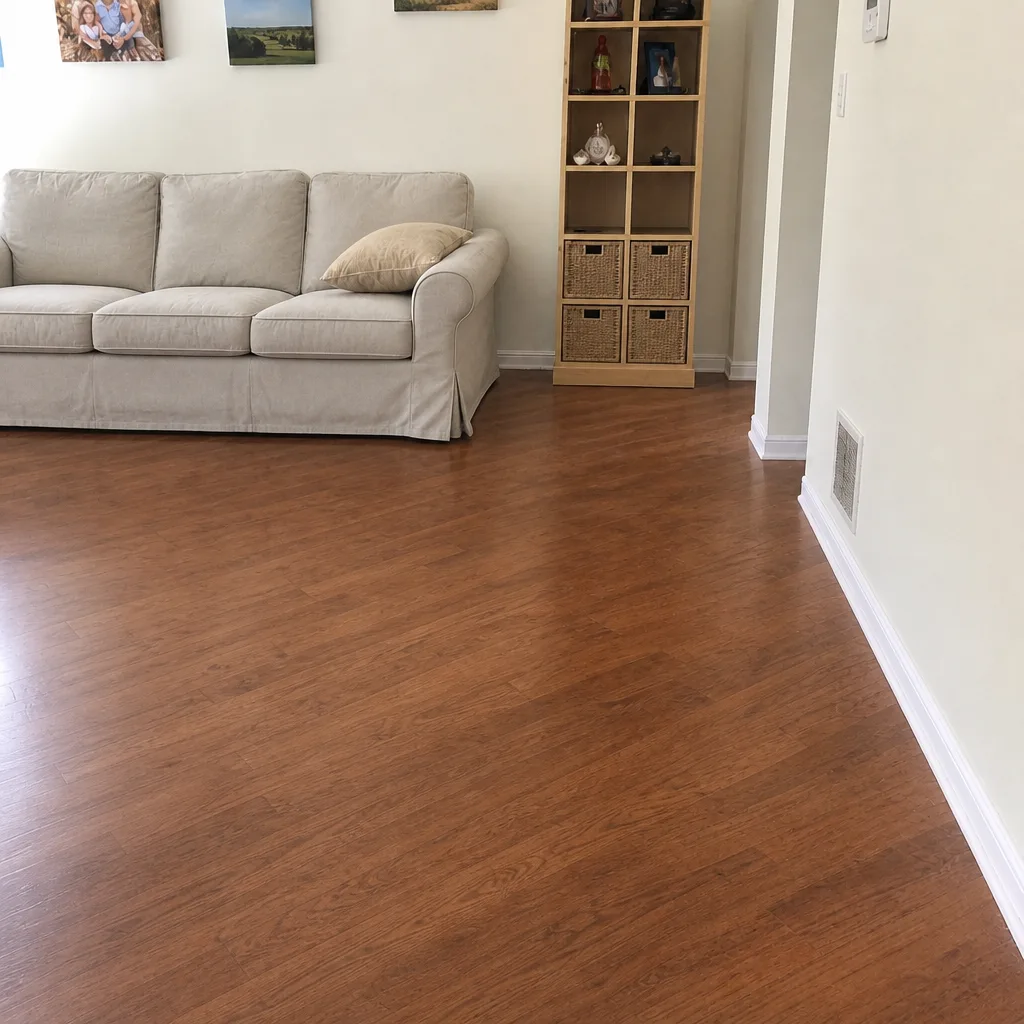 After
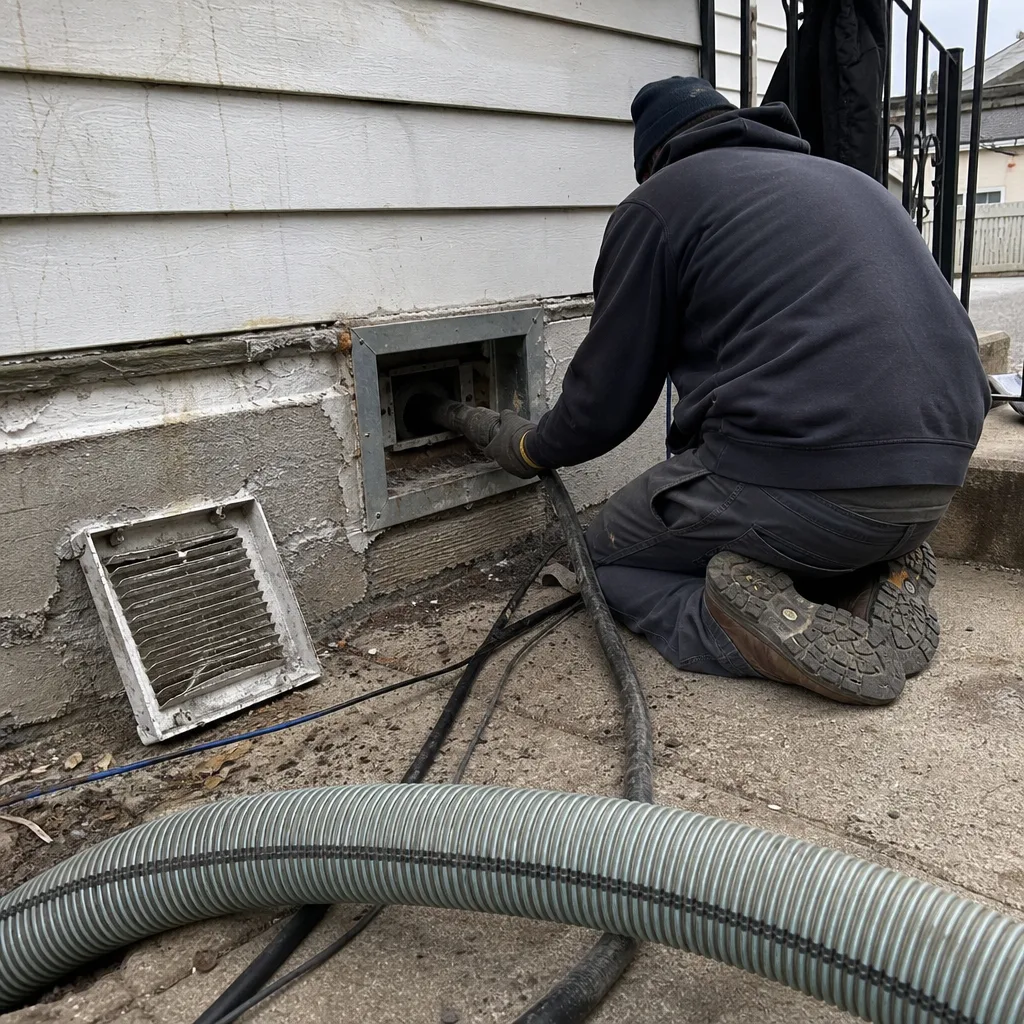 Before
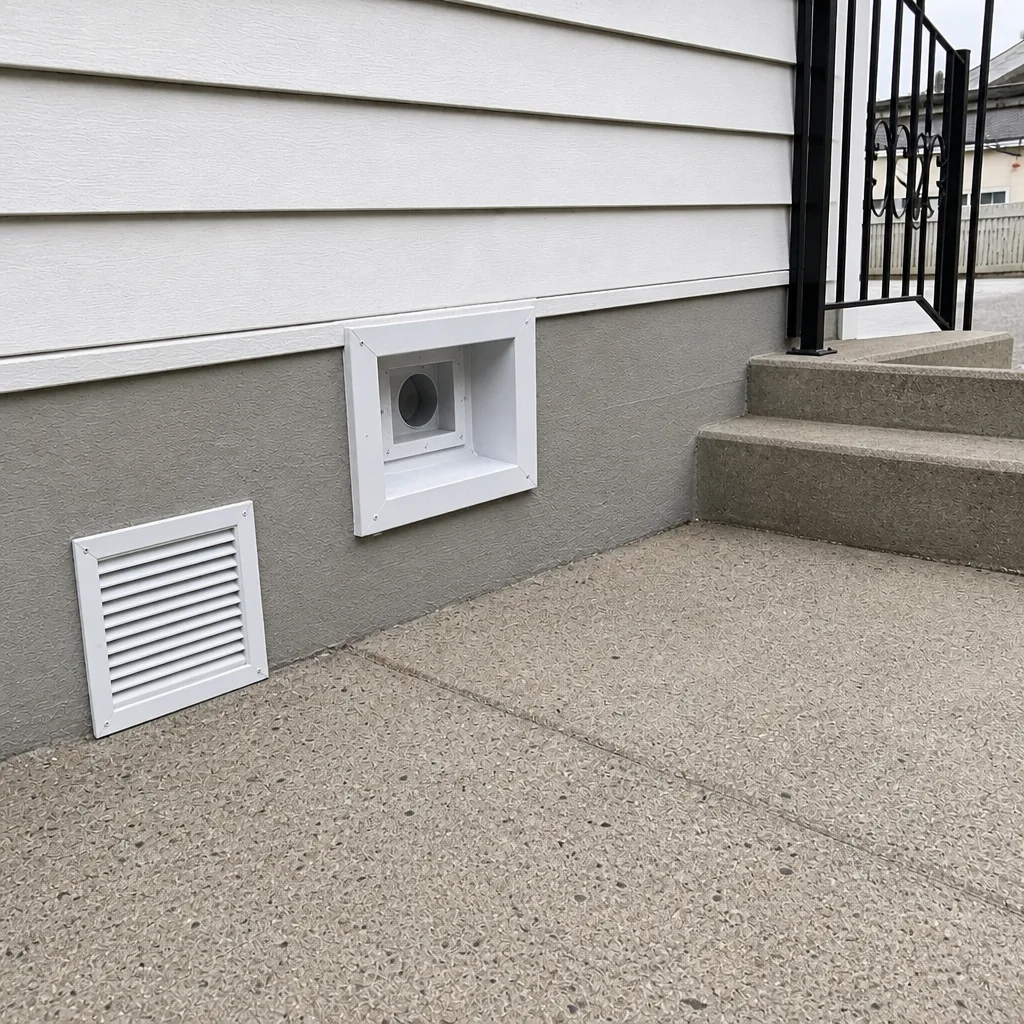 After
When to Call a Professional
Call a professional when water reaches or enters the duct system, when smoke odor returns after the fire cleanup is finished, when you find droppings or nesting material near a register, or when renovation dust has moved through a running HVAC system. Those situations involve contamination that a household vacuum cannot address and that a standard retail air purifier cannot fix.
Also call when the system is simply overdue: if it’s been years since the last cleaning, if you smell a musty odor that doesn’t go away, or if a new baby, allergy diagnosis, or elderly family member has moved in and you want a baseline. Sunnyside Air Duct Cleaning offers free estimates in Sunnyside. Call (877) 792-6029. We answer 24/7, and fast dispatch runs from 7am to 7pm, Sunday through Friday.
Our technicians have up to 9 years of experience with these situations. When the job is dryer vent cleaning, the same rigor applies: a clogged dryer vent is one of the most avoidable fire risks in a home, and it’s worth a phone call before it becomes an emergency.
Frequently Asked Questions
Often yes, because moisture still reaches ducts through humidity and through a return system that kept running during the event. If the HVAC stayed on for any time after the flood, the ducts almost certainly pulled contaminated air. Get an inspection before you resume normal use.
We don’t quote per-vent teaser prices. Cleaning is priced per system based on the home’s layout, the number of systems, and the condition we find. The written estimate sets the final price, and the estimate itself is free. Call (877) 792-6029 for exact details on your home.
We take before-and-after photos of the ducts on every job so you can see the difference yourself. Ask any contractor to do the same, and ask to see the interior of the ducts before and after they clean. A company that can’t show you the work is a company that hasn’t done it well.
Most homes do fine with cleaning every few years, and some go longer. What changes the answer is events: water intrusion, renovation, pest discovery, or a new health concern in the home all reset the clock. After any of those, get an inspection regardless of when the last cleaning was.
Cheap quotes usually reflect a smaller job: consumer-grade vacuums, no containment, and no documentation. They’ll often be followed by an upsell once the technician is in your home. We quote one flat price per system before any work starts, and the scope is written down.
No. Running the system moves smoke residue deeper into the ducts and into the coil assembly. Keep it off until the ducts are inspected and cleaned. If the power is on and the system is asking to run, set the thermostat to off before you do anything else.
The Bottom Line
The first 24 hours after a duct emergency matter more than the cleaning itself. Shut down the HVAC, protect the interior, document before you clean, and get an inspection from a professional who shows you what they found and what they’ll do.
Standard cleaning handles dust and light buildup. Remediation-level service handles water, smoke, mold, and pests, and it should always include containment and sanitizing. In Sunnyside, the calls that go wrong are the ones made in a panic to the first advertiser on the search page. Calm, informed choices beat fast ones.
If you’re in the middle of one of these situations, call us. We’d rather talk you through it than have you guess.
Contact Sunnyside Air Duct Cleaning for a free estimate: (877) 792-6029. We answer 24/7. Fast dispatch from 7am to 7pm, Sunday through Friday. One flat price per system, before-and-after photos on every job, and a satisfaction guarantee.
Written by the team at Sunnyside Air Duct Cleaning.