
Last updated November 22, 2026
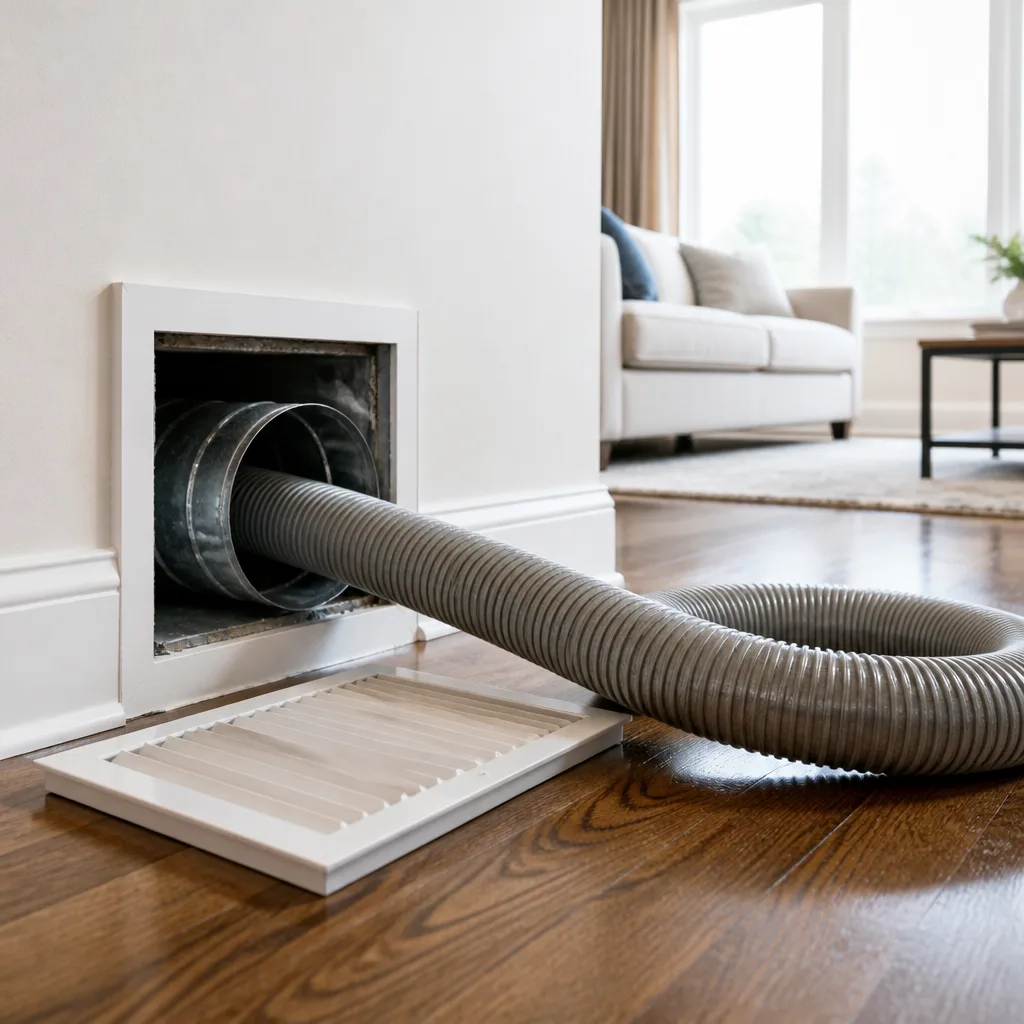 Whole-home duct cleaning
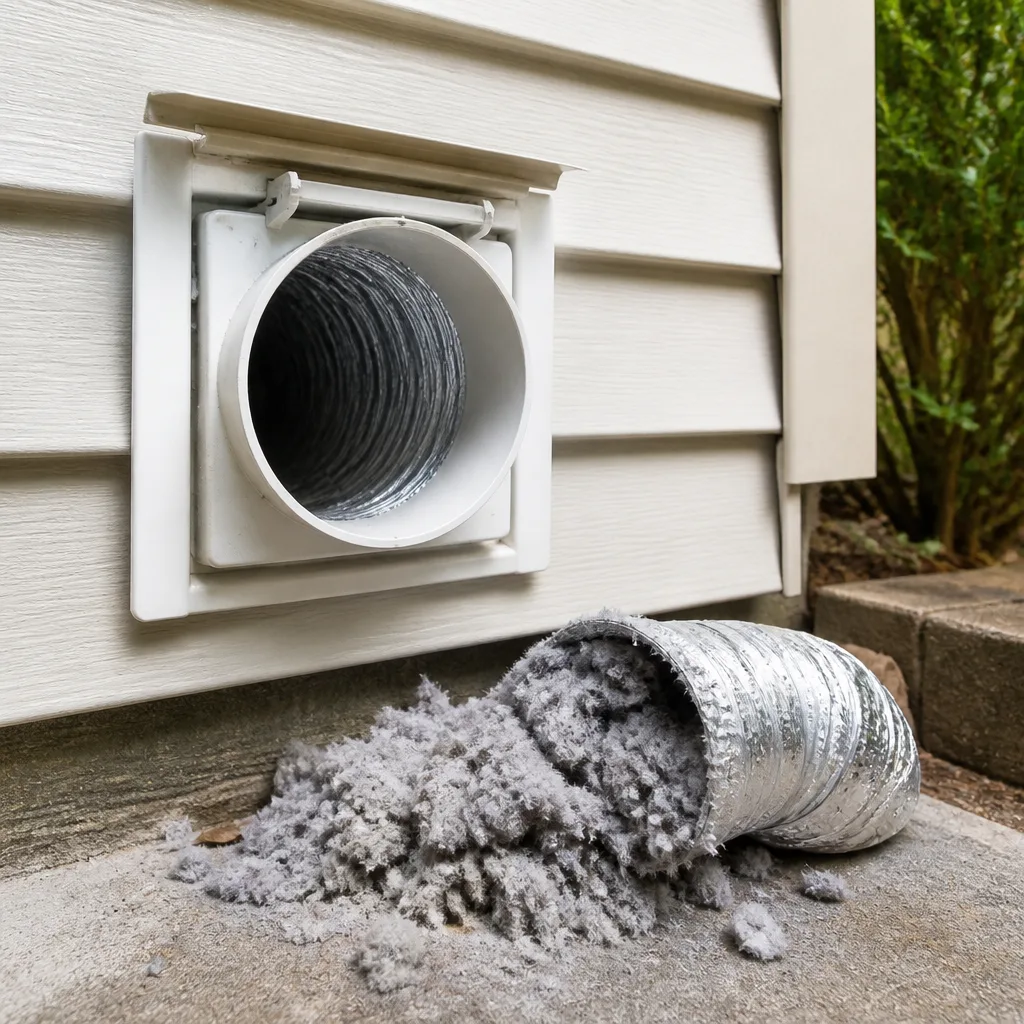 Dryer vent cleaning
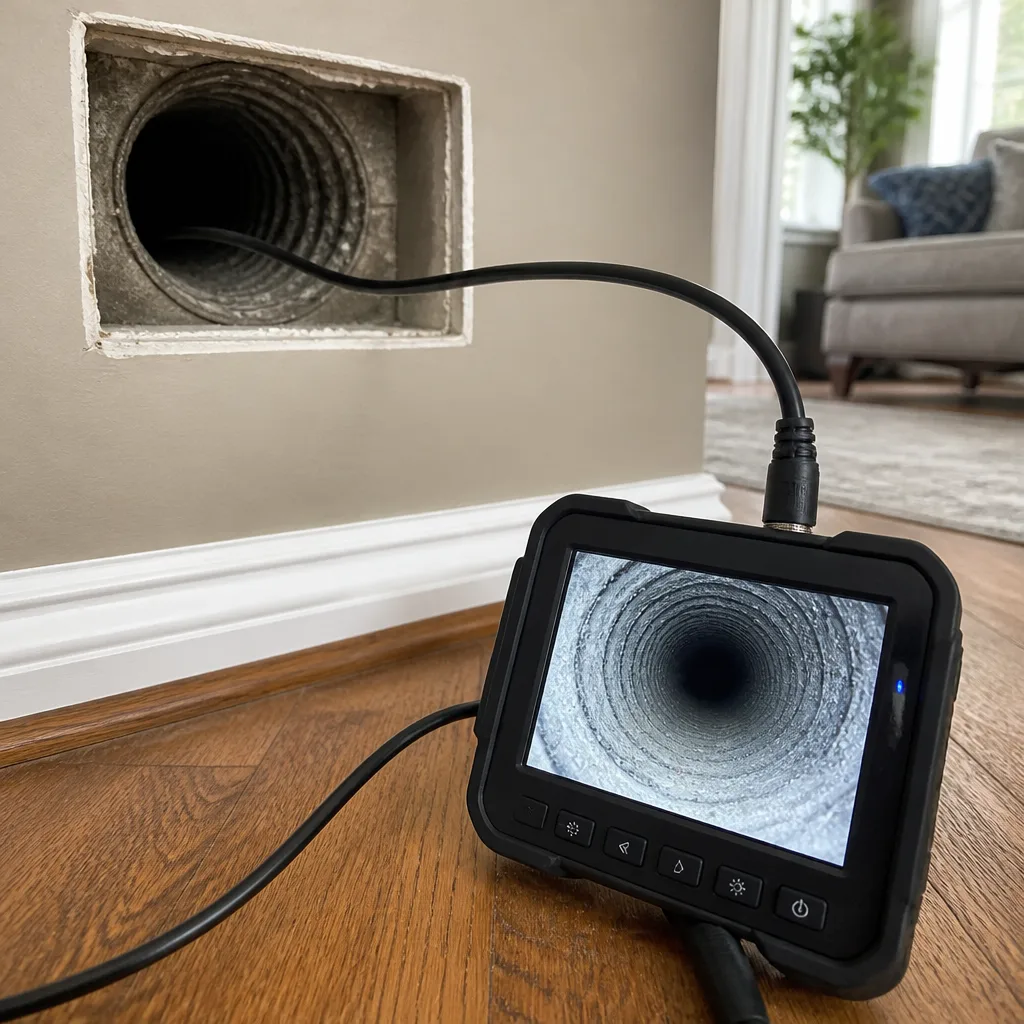 Camera inspection
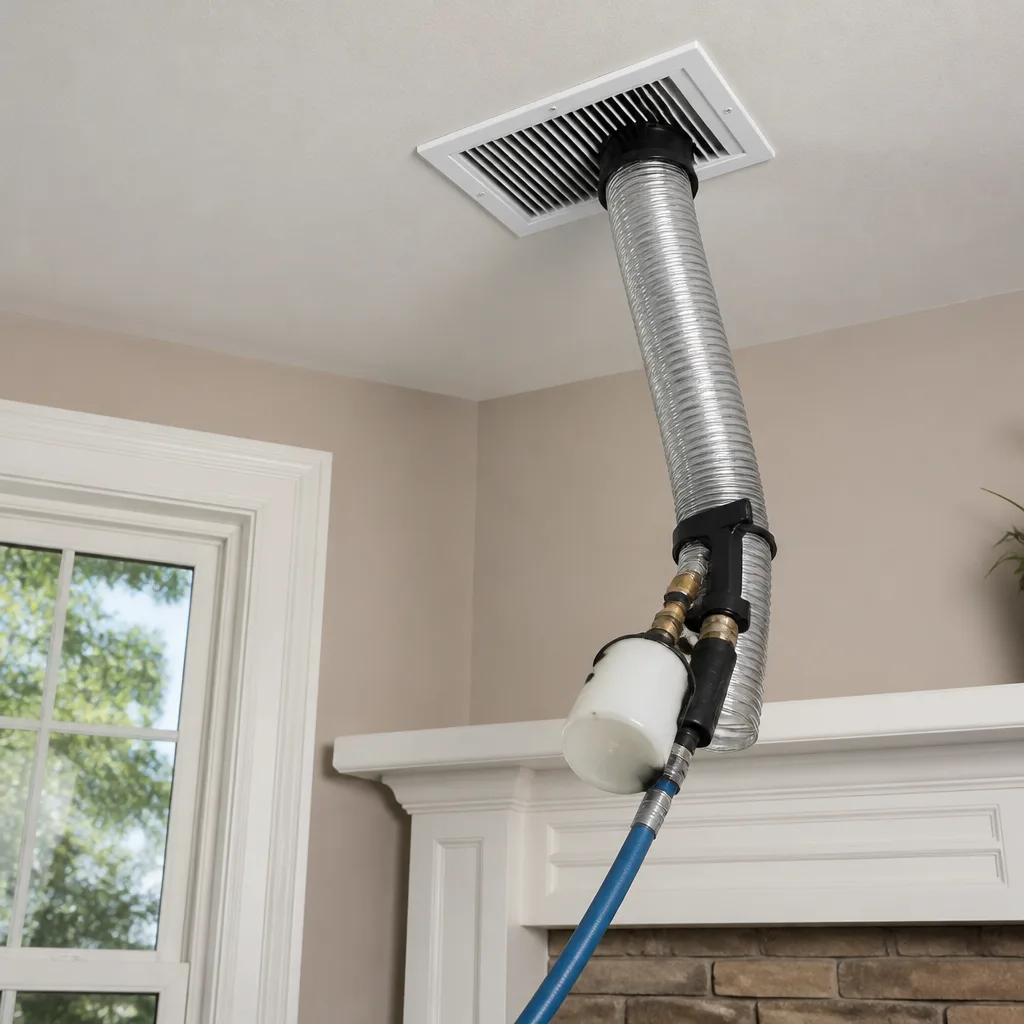 Sanitizing & deodorizing
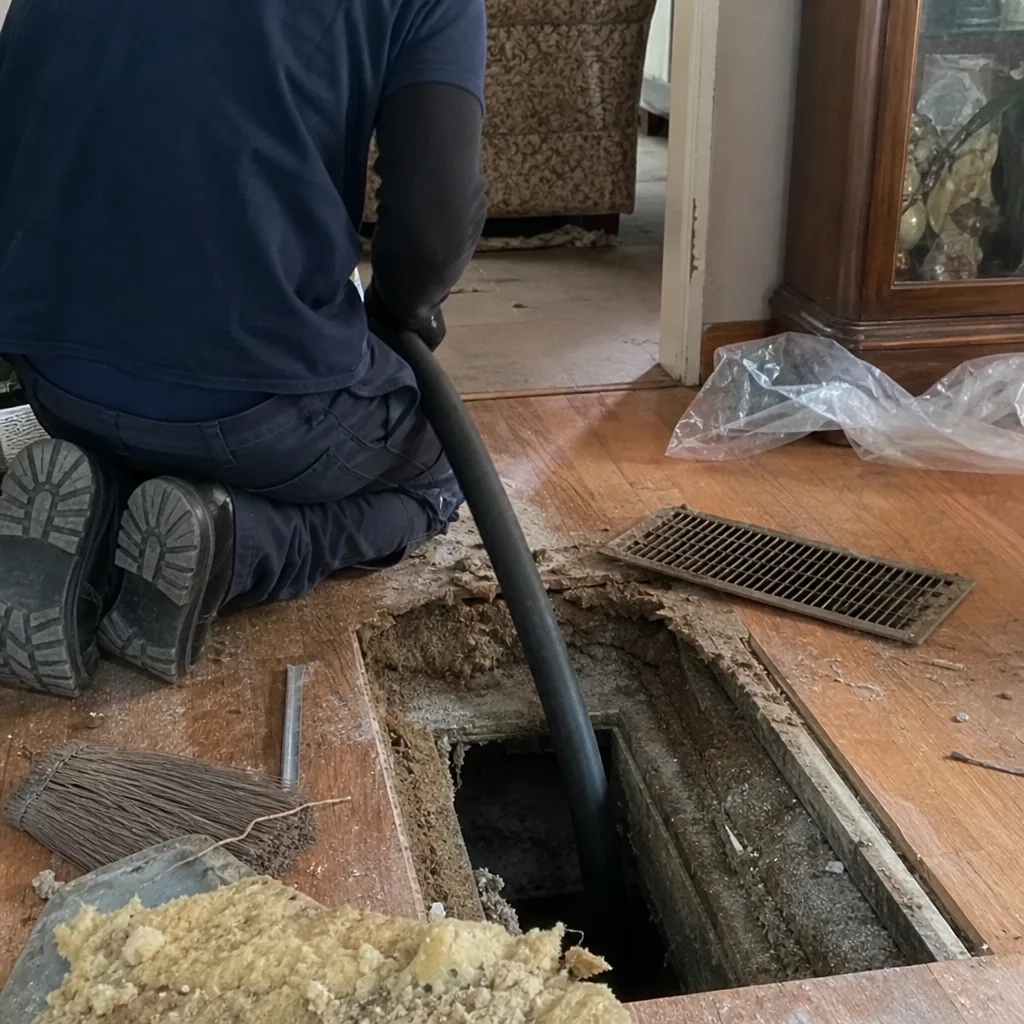
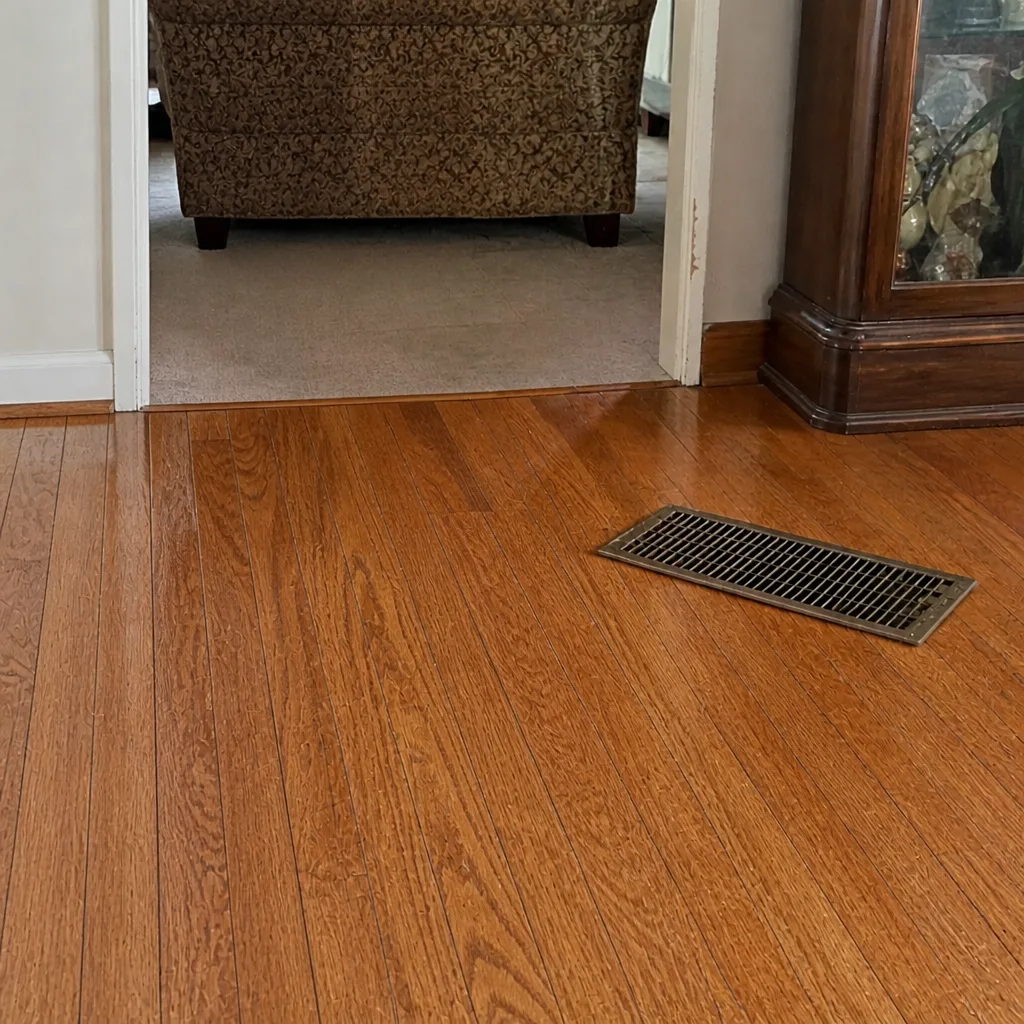
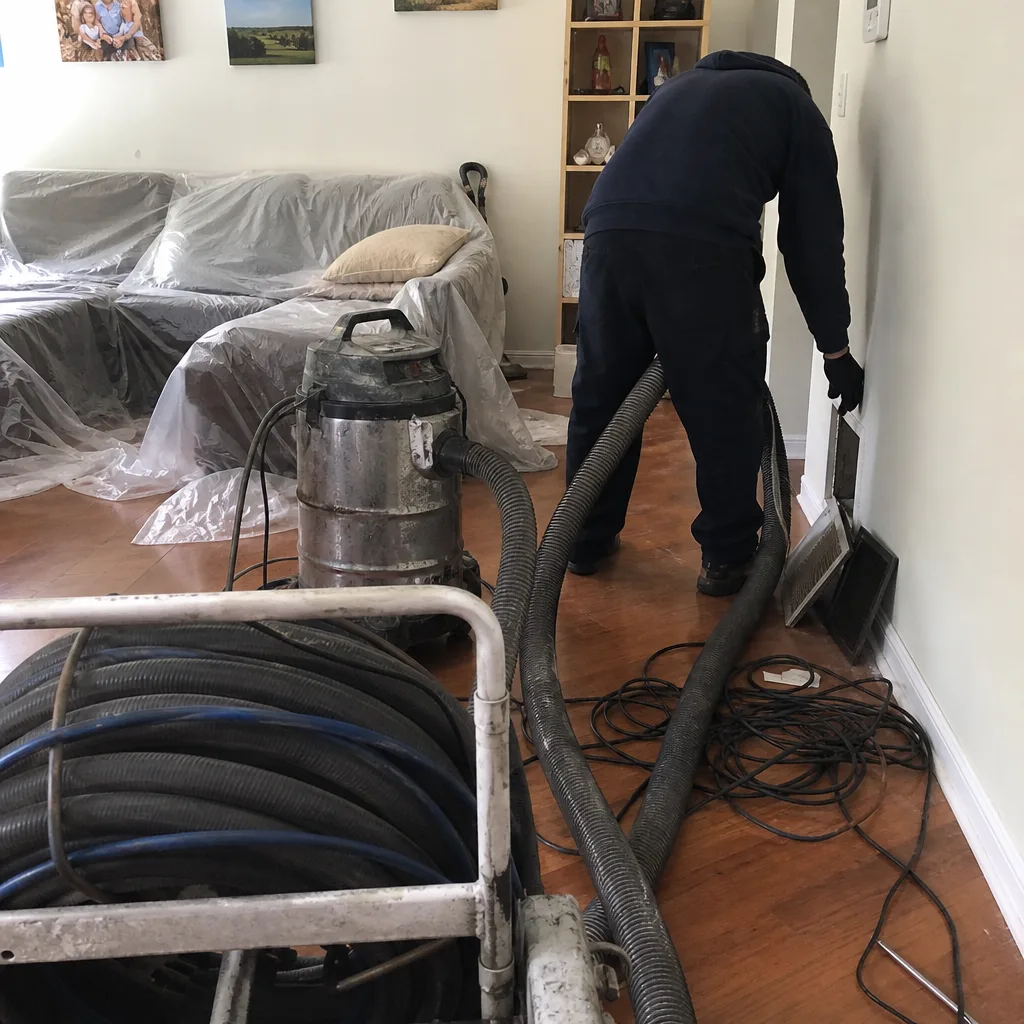
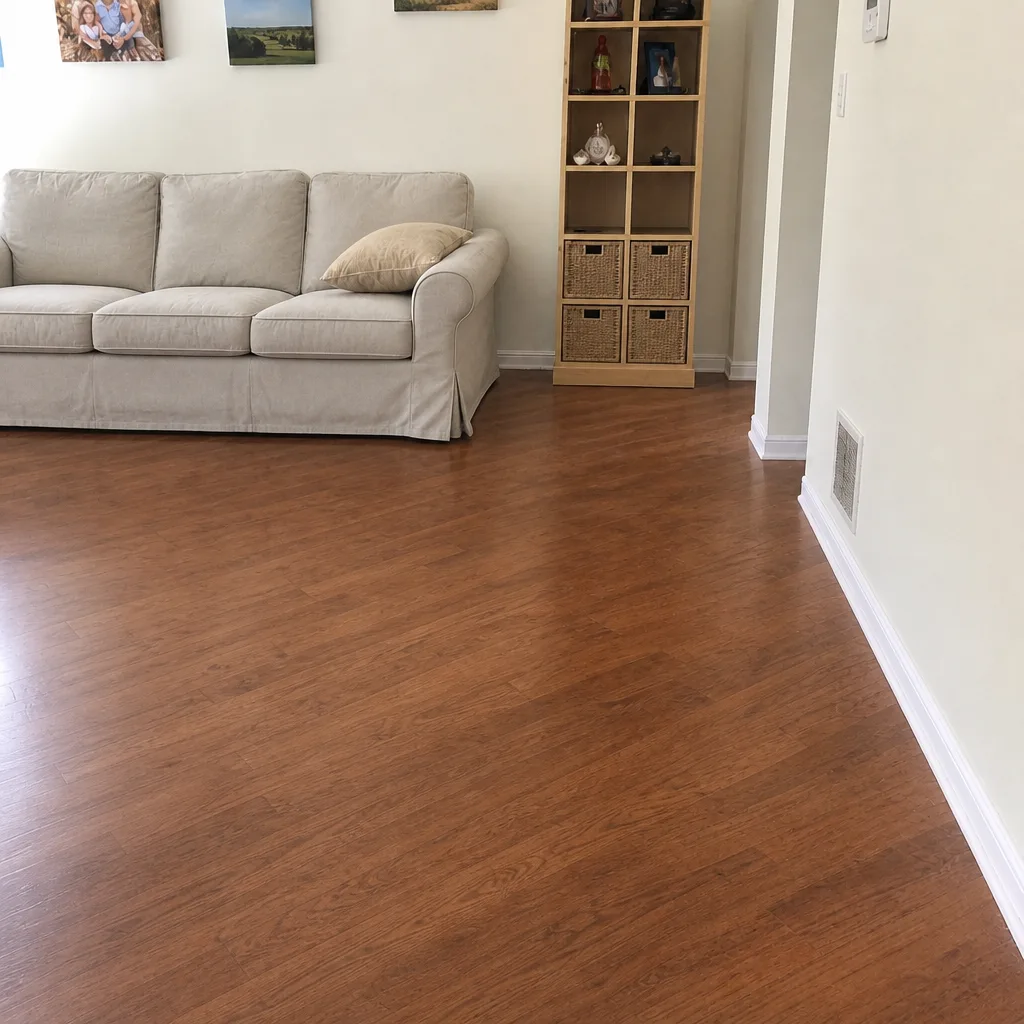
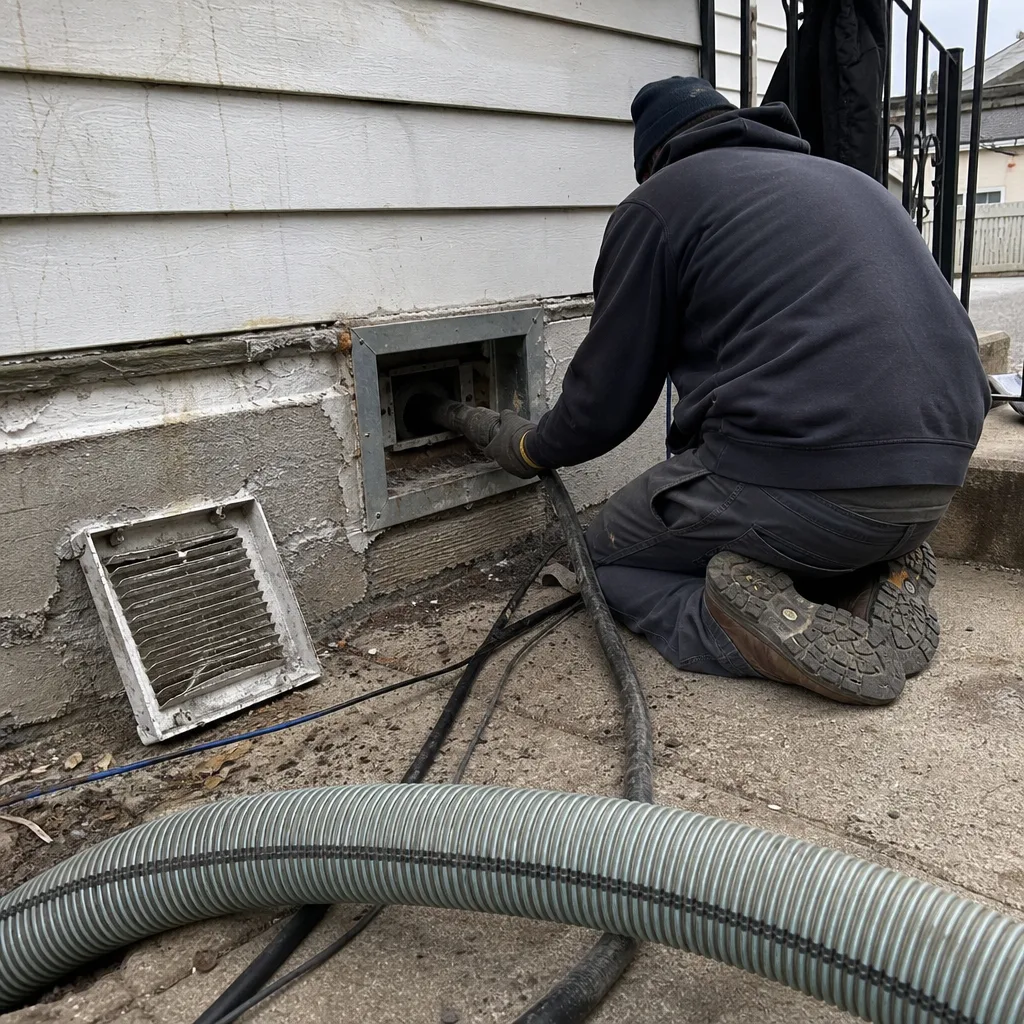
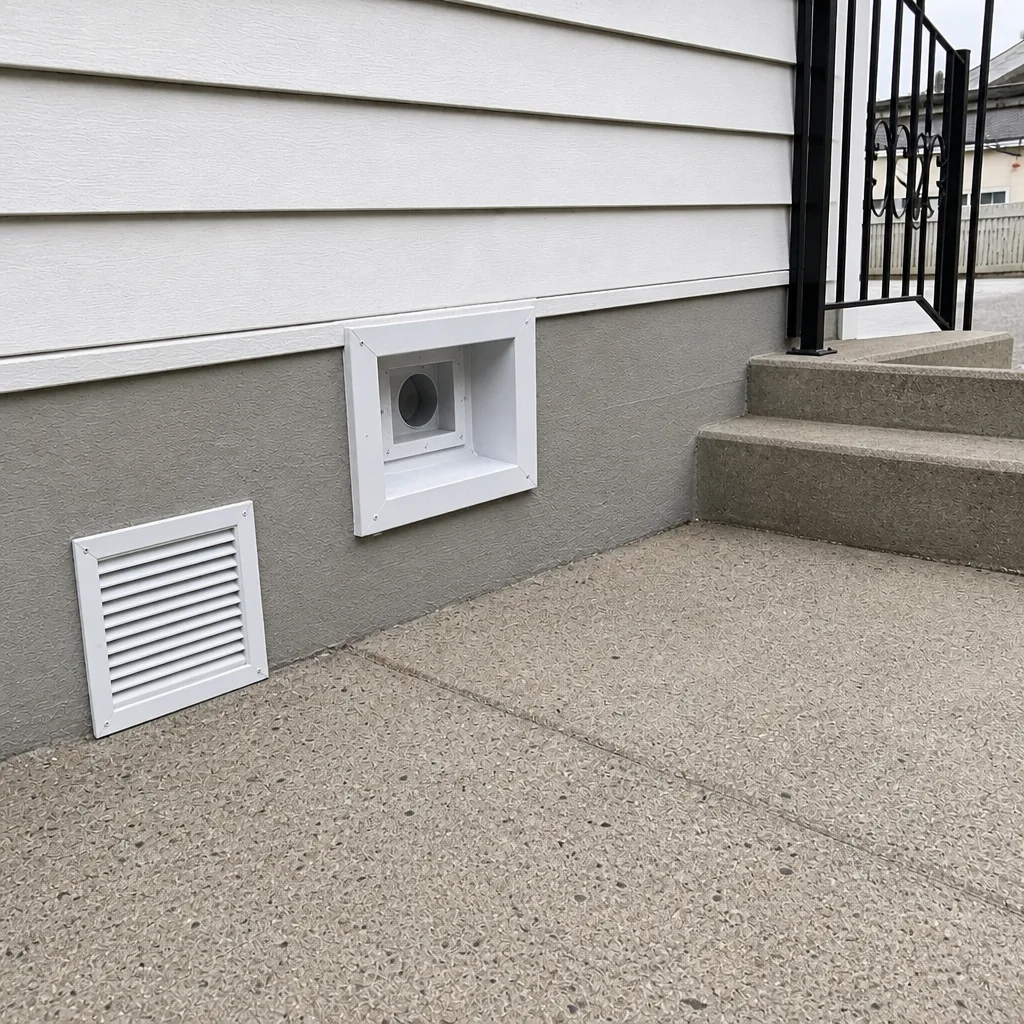
Whole-system duct and dryer vent check with before-and-after photos - you see exactly what came out of your vents
That "$99 whole-house special" is a bait ad - the real number appears once they are in your hallway, or the "clean" is a shop-vac at the register. We photograph the inside of your ducts before and after instead.
DIY vs Professional Air Duct Cleaning: The Sunnyside Homeowner’s Decision Guide
Most duct cleaning advice online splits into two useless camps: “rent a vacuum and do it yourself” or “your ducts are a biohazard, call immediately.” Neither helps you decide. Here’s the part almost nobody explains: a consumer shop vac pulls roughly 1 to 2 inches of water column of suction, while professional duct cleaning equipment runs at 1 to 2 inches of mercury. That’s about a 13x pressure difference, and it’s the whole reason the two approaches produce nothing alike results. One lifts loose dust near a vent. The other pulls debris out of trunk lines you can’t reach. This guide maps exactly what you can do in a Sunnyside home and what genuinely needs professional-grade negative pressure. You’ll finish knowing which side of that line your ducts sit on.
Styles & brands we work with
- Whole-home duct cleaning
- Dryer vent cleaning
- Camera inspection
- Sanitizing & deodorizing
Quick Answer
DIY duct cleaning is worth it only for light surface maintenance at accessible registers and short visible runs; it cannot clean main trunk lines, return plenums, or inaccessible branches, and it cannot safely address mold or pest contamination. For a whole-system clean with verifiable results, professional equipment is the only option that reaches the debris that actually circulates. A fair middle path: DIY inspection with a phone camera at your registers tells you whether a professional visit is needed yet.
Table of Contents
- Why Pressure Is the Whole Story
- What DIY Air Duct Cleaning Actually Accomplishes
- What Requires Professional Equipment
- How to Inspect Your Own Ducts Before You Decide
- DIY vs Professional: A Real Cost Comparison
- When DIY Between Professional Visits Makes Sense
- Mold, Pests, and Dryer Vents: When to Stop and Call
- Common Mistakes to Avoid
- When to Call a Professional
- Frequently Asked Questions
- The Bottom Line
Why Pressure Is the Whole Story
Air duct cleaning is a pressure problem before it’s anything else. Debris inside a duct network has settled into horizontal runs, collected at elbows, and adhered to galvanized walls. To move it, you need enough negative pressure at the far end of the system to overcome friction and lift material toward the vacuum, plus enough air agitation inside the duct to knock it loose. Consumer vacuums fall short on both counts.
Here’s the comparison in plain terms:
- A shop vac or household vacuum produces around 1 to 2 inches of water column suction. That’s enough to pick up dust sitting directly at a vent opening a few inches away. It drops off sharply with distance and cannot pull air through a 20-foot trunk line.
- Professional duct cleaning equipment runs at 1 to 2 inches of mercury, which converts to roughly 13 times the pressure. Attached to the system at a strategic point, that pressure draws air and debris through the entire branch and trunk network.
That gap isn’t marketing. It’s the physical reason a DIY job produces a clean vent face and a still-dirty trunk line, while a professional job with Sunnyside Air Duct Cleaning equipment reaches the sections you can’t see. Professional systems like Rotobrush and Nikro are purpose-built for mechanical duct cleaning: rotating brush heads driven through the duct, connected to a high-capacity vacuum with containment. Abatement Technologies containment equipment keeps what’s dislodged inside the system rather than redistributing it into living space. When we run a job in Sunnyside, that containment piece is what separates a controlled cleaning from a dust event.
The pressure difference also explains why results are hard to fake. A low-bid operator with a shop vac can show you a clean register and charge full price. A professional setup can show you before-and-after photos of the trunk line itself, which is where the actual cleaning happened. We show our work for exactly that reason.
What DIY Air Duct Cleaning Actually Accomplishes
DIY duct cleaning can genuinely improve the surface you see. Removed properly, it reduces dust at the register faces, clears loose debris from the first few feet of accessible runs, and stops the small puff of dust that hits the room when the system cycles on. That’s real. It’s just limited to a narrow band of the system.
Here’s what DIY can realistically handle:
- Register grilles and diffusers. Pulling them off and washing them in a sink removes the dust film that builds up on the vanes and face.
- The first foot or two of each branch, if it’s straight and visible. A long flexible brush attachment on a shop vac can knock down surface dust in an accessible straight run.
- Return air grille faces and the immediate plenum behind the grille. If the return is a simple wall grille with no ducted run behind it, the accessible box behind it can be wiped down.
What DIY cannot do is equally specific:
- Clean the main trunk line. Trunk lines run through walls, floors, or the ceiling cavity and are sealed. There’s no access point a homeowner can reach with a shop vac hose.
- Clean the return air plenum and the air handler compartment. This is where the bulk of settled debris accumulates and where professional equipment is connected.
- Clean branch runs longer than a few feet. Suction drops off past the hose reach, and friction against the duct walls keeps dust in place.
- Remove contamination, adhesive debris, or buildup that requires mechanical agitation. Rotating brush heads and air whips do this inside the duct; a homeowner can’t replicate it from the outside.
In our experience running air duct cleaning jobs around Sunnyside, the pattern is consistent: the register is clean when a homeowner has done DIY work, and the trunk line a foot away is untouched. That’s the honest boundary. DIY cleans what you can see. Professional cleaning cleans what circulates.
What Requires Professional Equipment
Certain parts of a residential duct system require professional equipment by design: not because of marketing, but because there’s no safe or effective way for a homeowner to reach them. Knowing which parts those are tells you where DIY stops and a professional visit begins.
Main trunk lines. The trunk is the large duct that carries air from the furnace or air handler to all the branches. It runs inside wall cavities and floor assemblies on most Sunnyside homes, meaning the only access points are the register boots and the air handler itself. Cleaning requires connecting professional negative pressure at the air handler, agitating the full length with a rotary brush or air whip, and pulling dislodged debris to a HEPA-filtered collection unit. That’s a multi-hour operation, not a quick pass with a shop vac.
Return air plenums. The return side is often the dirtiest part of the system because it pulls in unfiltered air from the living space and the filter catches only part of what passes. The plenum at the air handler collects years of settled material. Professional cleaning of this section is what most improves the air quality in the home, and it’s the section DIY never touches.
Inaccessible branches. Branches that run through finished floors or ceilings without accessible boots cannot be reached by any consumer tool. They can only be reached from the air handler end with professional agitation equipment.
Mold and pest contamination. If a phone-camera inspection shows visible mold growth, rodent droppings, or insect activity inside a duct, stop. These require containment, personal protective equipment, and often sanitizing treatment after cleaning. Guardsman-grade sanitizing products applied as part of a professional job treat the system after it’s been mechanically cleaned. DIY handling of contaminated ducts risks spreading contamination into the home. If you suspect mold inside your ducts, treat that as a stop sign and get a professional assessment.
Beyond cleaning, professional sealing of duct joints catches leaks and gaps that feed dust back into the system. That’s the root-cause work that turns a cleaning into a lasting result. We handle HVAC cleaning as part of the same visit so the system is cleaned as a whole rather than in pieces.
How to Inspect Your Own Ducts Before You Decide
You can learn a lot about your ducts with a phone camera and 15 minutes. The goal isn’t to clean anything; it’s to gather evidence so you know whether a professional visit is warranted yet. Here’s a simple inspection routine:
- Turn the system off at the thermostat. Confirm the air handler has stopped before you go near any register.
- Remove one supply register grille. Also remove one return grille. Most grilles lift straight out or release with a couple of screws.
- Turn your phone flashlight on and shine it into the duct opening. Photograph the first foot or two. You’re looking for a fine dust film (normal), heavy caked dust, visible mold (dark patches or musty smell), pest evidence (droppings or nesting material), or debris piles.
- Reach the phone as far in as you safely can and photograph the branch run. Don’t insert tools or anything sharp; just look.
- Compare a low-traffic register to a high-traffic one. Bedroom registers versus the one closest to the kitchen usually show the difference in dirt load.
- Look at the return grille and the filter. If the filter is heavily loaded and the register faces are dark, the trunk line behind them is likely carrying a matching load.
Interpreting what you find is straightforward. Light dust film with no smell and no visible growth is a candidate for DIY surface cleaning and a routine professional visit on the normal cycle. Heavy caked buildup, visible mold, musty odor, or pest evidence is a call-a-professional situation. And if you’re already seeing dirt at the register, the trunk line is almost certainly carrying more; that’s the natural pattern because the trunk accumulates from upstream.
Documenting with photos before and after is also your best tool for verifying any professional job. If a company won’t let you see inside the duct before and after, that’s a signal.
DIY vs Professional: A Real Cost Comparison
Cost comparisons are usually skewed by comparing the DIY price tag to a professional invoice without accounting for time, equipment, and the difference in outcome. Here’s an honest breakdown of what you’re actually paying for and getting.
DIY approach:
- Cost: A shop vac you may already own, a $30-$60 flexible brush attachment, a couple of hours of your time, and grille-cleaning supplies.
- Outcome: Clean register faces and the first couple of feet of accessible duct. Reduction of the visible dirt that puffs into a room when the system starts.
- Time: 1-3 hours for a typical home with 10-15 registers, more if you’re thorough.
- Lifespan of results: Weeks to a couple of months before register faces darken again, because the trunk line was never cleaned.
Professional approach:
- Cost: A single flat price per system, agreed before work starts, based on your home and the system layout. No per-vent pricing. Call for the free estimate specific to your home.
- Outcome: Whole-system cleaning including trunk lines, return plenum, and all branches, using Rotobrush and Nikro equipment with Abatement Technologies containment. Optional sealing to close leaks and repair damaged sections.
- Time: A scheduled visit that generally runs a few hours for a full residential system, depending on size and condition.
- Lifespan of results: Typically years between full cleanings, depending on filter habits, pets, and household renovation activity.
The right way to compare is outcome per dollar, not dollar against dollar. DIY at $50-$100 gets you a clean register and a still-dirty trunk line. A professional job at a flat system price gets you a clean whole system, documented with before-and-after photos. Across a multi-year cycle, the professional result delivers more in the delivered outcome than DIY repeated every few weeks.
The trap to avoid is the low-bid professional quote that turns into a bigger invoice once the technician is on site. The reason we work on one flat price per system, agreed before work starts, is to eliminate that entire category of surprise. Ask any company you’re considering for a written estimate that names the flat system price before work begins.
When DIY Between Professional Visits Makes Sense
DIY duct cleaning has a real, narrow, well-defined place: light surface maintenance in between professional cleanings. Used that way, it preserves the results of a professional job. Used as a replacement, it creates a false sense of cleanliness because the parts you clean look good while the parts you can’t see stay dirty.
Reasons DIY is worth doing between professional visits:
- Grille maintenance after a full cleaning. Wiping the register faces every few months keeps the visible dust film down and prevents the “just cleaned, already dusty” feeling.
- Post-renovation surface pass. After a bathroom or kitchen reno, dust settles on register faces and the nearby floor. A quick pass keeps it from pulling into the system next time it cycles on.
- Pet hair accumulation at the return grille. If you have pets, a monthly wipe of the return grille face cuts the load going into the system.
- Seasonal check-in. A few minutes with a phone camera each season keeps you informed about when the next professional visit is actually needed.
Reasons DIY is not worth doing as a substitute:
- You believe the system is dirty enough to need a real clean. In that case, DIY produces a cleaned surface and leaves the underlying problem in place.
- Anyone in the household has allergies or asthma. Surface cleaning won’t change what circulates; professional cleaning plus optional air quality upgrades will.
- You’ve just moved into a Sunnyside home. You have no history of when the ducts were last cleaned. Get a professional baseline first, then maintain.
- You’re sealing or repairing ducts. Sealing requires cleaning first, and the sealing itself is professional work.
The honest summary: DIY is maintenance, not cleaning. If your ducts are due for a real clean, maintenance won’t get you there. We’re happy to walk you through when a full visit makes sense; call for a free estimate and we’ll give you a straight answer either way.
Mold, Pests, and Dryer Vents: When to Stop and Call
Some duct conditions are categorically not DIY projects. If your inspection turns up any of the following, the responsible move is to stop and call a professional.
Mold inside ducts. Visible dark patches on duct walls, a musty smell that gets stronger when the system runs, or a history of water intrusion near the air handler all point in that direction. Mold requires containment during removal, personal protective equipment for the technician, and sanitizing treatment after mechanical cleaning. Disturbing mold with a shop vac can spread spores into living space. If you suspect mold, don’t touch it; schedule a professional assessment.
Pest contamination. Rodent droppings, nesting material, or dead insects inside a duct network need proper containment and safe removal. Rodent activity often means a damaged duct section that also needs repair, which is separate from cleaning.
Dryer vent blockage. A clogged dryer vent is a fire risk. Lint accumulates on the interior of the vent and around the transition point behind the dryer, and consumer tools can’t effectively clear the full run. dryer vent cleaning is the kind of job where the result is either a cleared vent or a still-clogged one; there’s no partial success worth the risk. Dryer vents cleaned. Fire risk reduced. That’s the blunt version, and it’s why we’ve made it a core part of our service instead of an add-on.
Beyond those three category stops, ordinary dirty ducts are a decision rather than a hazard. They aren’t dangerous in the way a gas line or a live electrical panel is. The health-forward reason to clean them is that what’s inside your ducts matters to what reaches your lungs. That’s the honest case, and it’s enough without overstatement. Our technicians have up to 9 years of experience reading exactly these situations, and they’ll tell you straight when a job is needed and when it isn’t.
Common Mistakes to Avoid
- Assuming a clean register means clean ducts. The register face is the last thing air passes through, not the first place dust settles. Even after a thorough professional job, trunk lines and return plenums carry the load; DIY cleaning produces a clean register and leaves that load untouched.
- Using a shop vac on high suction near a running system. Vacuuming registers with the air handler on can pull loose dust further into the system instead of removing it. Turn the system off at the thermostat before any cleaning pass.
- Treating a low per-vent quote as the real price. Per-vent pricing is structured to look cheap up front and grow once the technician is on site. Ask for one flat price for the whole system in writing before any work begins; the number on the invoice should match the number on the estimate.
- Skipping the inspection and going straight to the vacuum. Fifteen minutes with a phone camera tells you whether cleaning is even warranted. Cleaning a system that doesn’t need it wastes your time and can loosen settled dust unnecessarily.
- Ignoring the return side. Homeowners focus on the registers they can see and forget the return plenum is often the dirtiest part. A cleaning that skips the return side misses the section most likely to affect indoor air.
- Booking a company that won’t show before-and-after photos of your own ducts. If the operator can’t or won’t document what was pulled out of the system, there’s no way for you to verify the work. We show our work as standard practice.
- Cleaning without considering duct sealing. If the ducts leak, dust and attic or crawlspace air make their way back in. Cleaning without sealing treats a symptom. If a company offers cleaning but not air duct cleaning plus sealing and repair, that’s a gap worth noting.
When to Call a Professional
Call a professional if any of these describe your situation: you’ve just moved into a Sunnyside home and don’t know when the ducts were last cleaned; a phone-camera inspection shows heavy caked dust, visible mold, musty odor, or pest evidence; you’ve had a renovation and drywall dust has entered the system; anyone in the household has asthma or allergy symptoms that seem tied to the home; you notice dust reappearing on register faces within weeks of cleaning; or your dryer is running hotter or taking longer to dry clothes. These are the cases where DIY reaches its limit and professional equipment becomes the only path to a real result.
Sunnyside Air Duct Cleaning offers free estimates in Sunnyside. Call (877) 792-6029. We answer 24/7, with fast dispatch from 7am to 7pm, Sunday through Friday. One flat price per system, agreed before work starts, so you know what you’re paying before anyone touches your ducts.
Frequently Asked Questions
Air duct cleaning in Sunnyside is priced per system, not per vent, and the exact price depends on your home’s layout, the number of branches, and whether sealing or repair work is also needed. The written estimate sets the final price and is agreed before work starts, which is the main protection against the bait-and-switch pricing that gives this industry a bad name. Call (877) 792-6029 for an exact quote; estimates are free.
Cheap quotes are usually per-vent teaser pricing, or a shop-vac-and-a-hose operation with no containment, no rotary agitation, and no documentation. A low price is achievable when the work is limited to register faces, which is the same result you’d get from DIY. The professional equipment – Rotobrush, Nikro, Abatement Technologies – is what separates a real cleaning from a register wipe. Call (877) 792-6029 for a flat-price estimate for your whole system; estimates are free.
Ask for before-and-after photos of your own ducts, taken during the visit, showing the interior of an accessible duct section and the material collected in the vacuum. A company that documents this has nothing to hide. A company that doesn’t is asking you to trust the invoice. We show our work as a standard part of every visit. Call (877) 792-6029 if you’d like to know what the documentation includes.
Most homes need a full professional duct cleaning every few years, and the exact interval depends on filter habits, pets, whether anyone smokes, and whether the home has had recent renovations. High-use households with pets or allergy-sensitive occupants may need it closer to the shorter end of that range. DIY surface maintenance between visits extends the interval without changing the need for professional cleaning. Call (877) 792-6029 and we’ll give you an honest read on your situation; estimates are free.
Cleaning the registers yourself is fine as maintenance, but it doesn’t replace a professional clean because the trunk line and return plenum are where the bulk of the debris lives. Register cleaning produces a clean face and leaves the circulated air unchanged. If your inspection shows only light dust, DIY is a reasonable hold. If it shows heavy buildup or a musty smell, professional cleaning is the right call. Call (877) 792-6029 with questions about what you found.
Sunnyside Air Duct Cleaning handles cleaning, dryer vent safety, HVAC cleaning, duct repair and sealing, and air quality sanitizing as one connected service. That matters because cleaning without sealing treats a symptom; if the ducts leak, dust comes back. Honeywell and Aprilaire air quality systems are also part of what we work with, so you don’t have to coordinate a separate contractor for the air quality side. Call (877) 792-6029 to talk through what your home needs.
The Bottom Line
DIY duct cleaning has an honest place in home maintenance, and it’s narrow: register faces, accessible returns, and the first foot or two of straight branch runs. It cleans what you can see and leaves what circulates. Professional cleaning using Rotobrush, Nikro, and Abatement Technologies equipment reaches the trunk lines, return plenums, and inaccessible branches that DIY cannot, and it can address mold, pest contamination, and duct sealing when those are the underlying problem. The way to decide is inspection, not guesswork: a phone camera and 15 minutes tells you which side of the line you’re on. If your inspection points to a professional visit, get a flat system price in writing before anyone shows up.
Call (877) 792-6029 for a free estimate from Sunnyside Air Duct Cleaning. We answer 24/7, with fast dispatch from 7am to 7pm, Sunday through Friday. One flat price per system, agreed before work starts, and before-and-after photos of your own ducts when we’re done.
Written by the team at Sunnyside Air Duct Cleaning.
See the difference
 Before
 After
 Before
 After
 Before
 After