
Last updated November 22, 2026
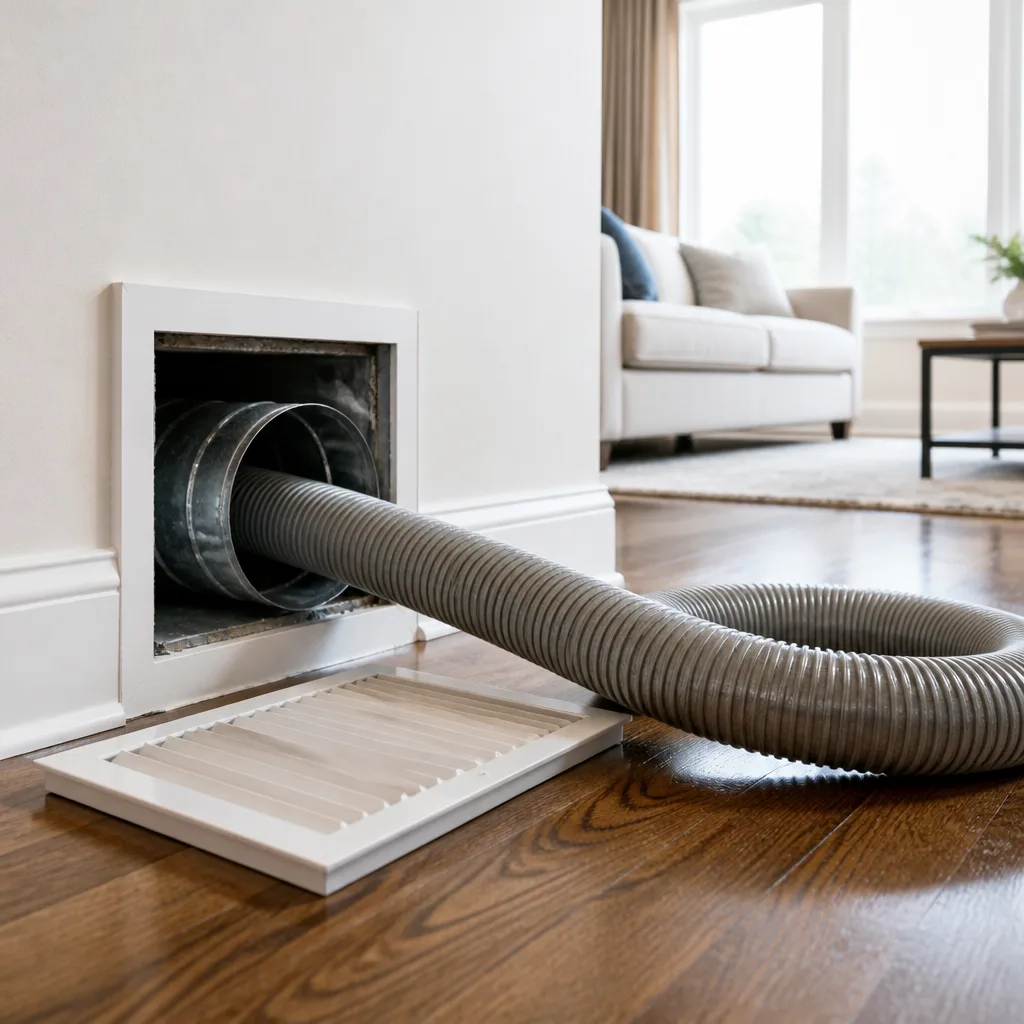 Whole-home duct cleaning
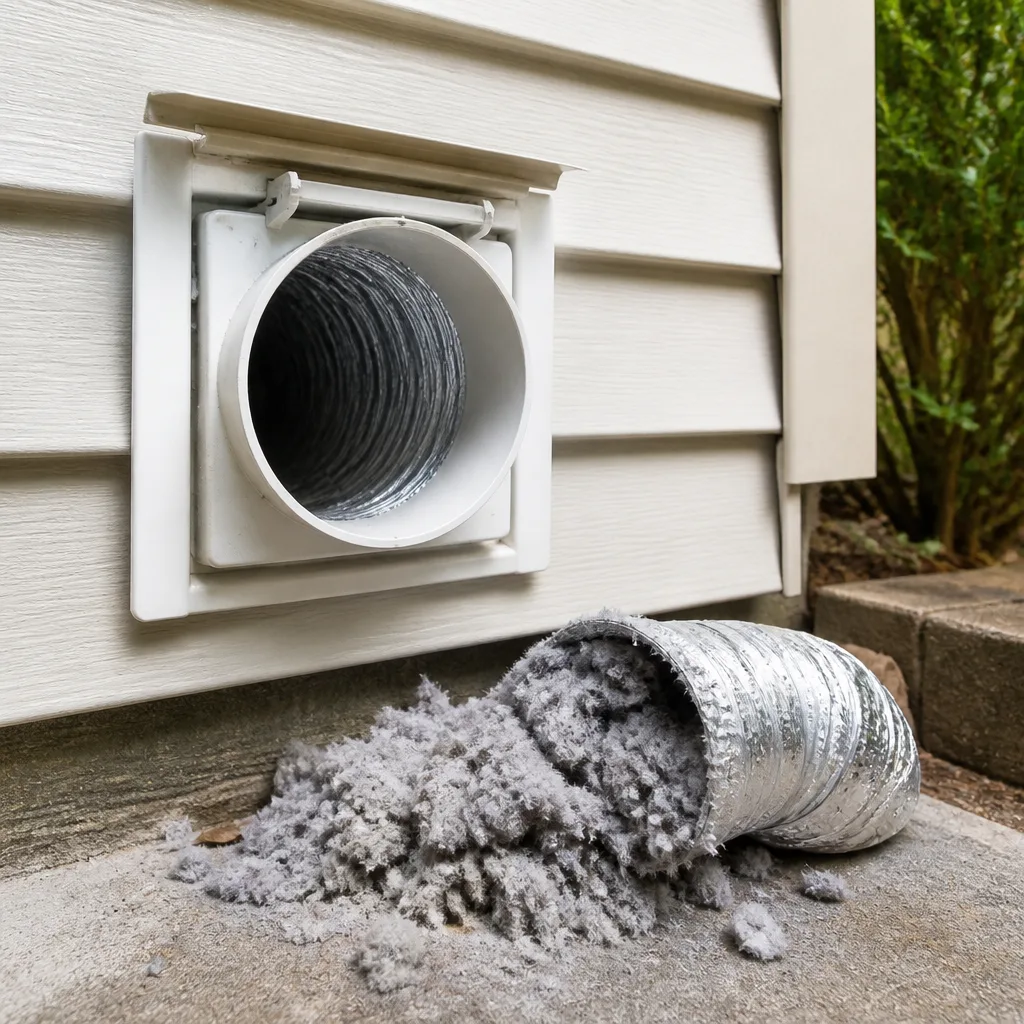 Dryer vent cleaning
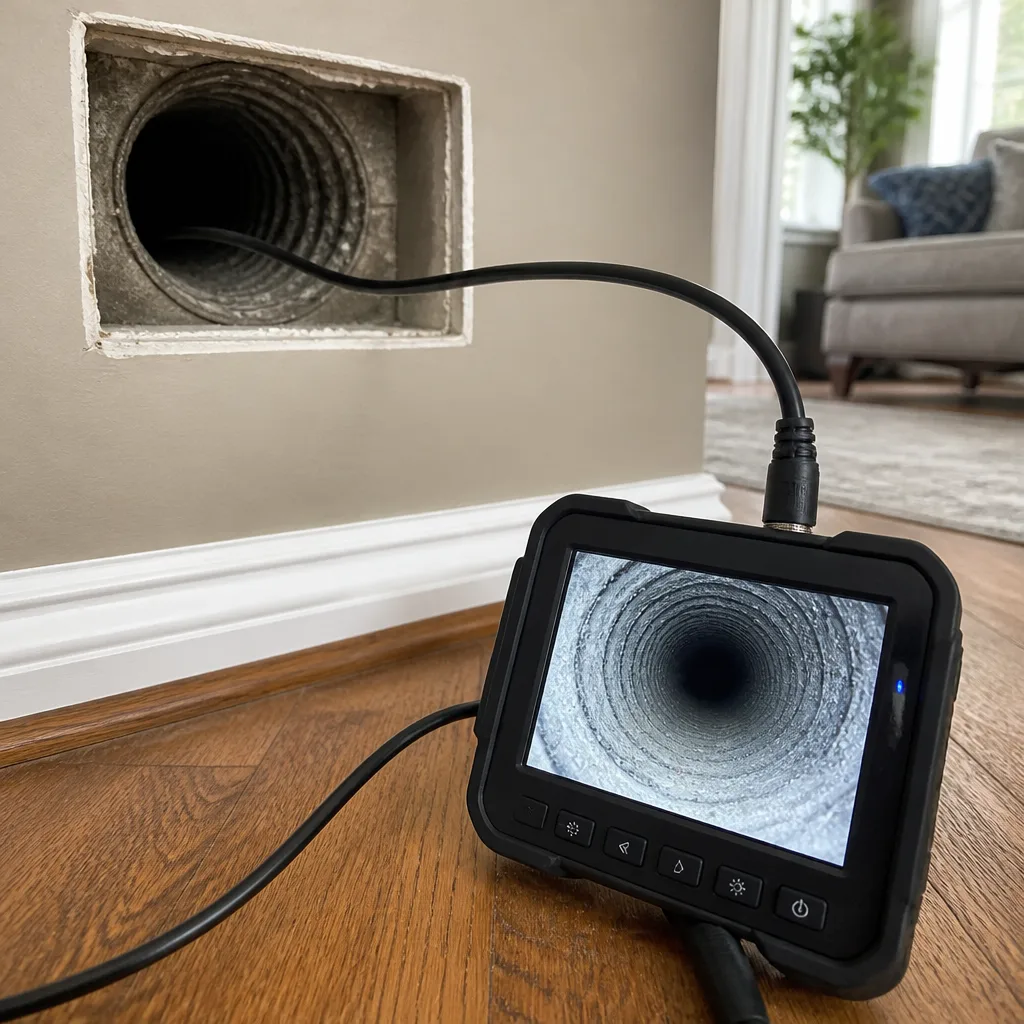 Camera inspection
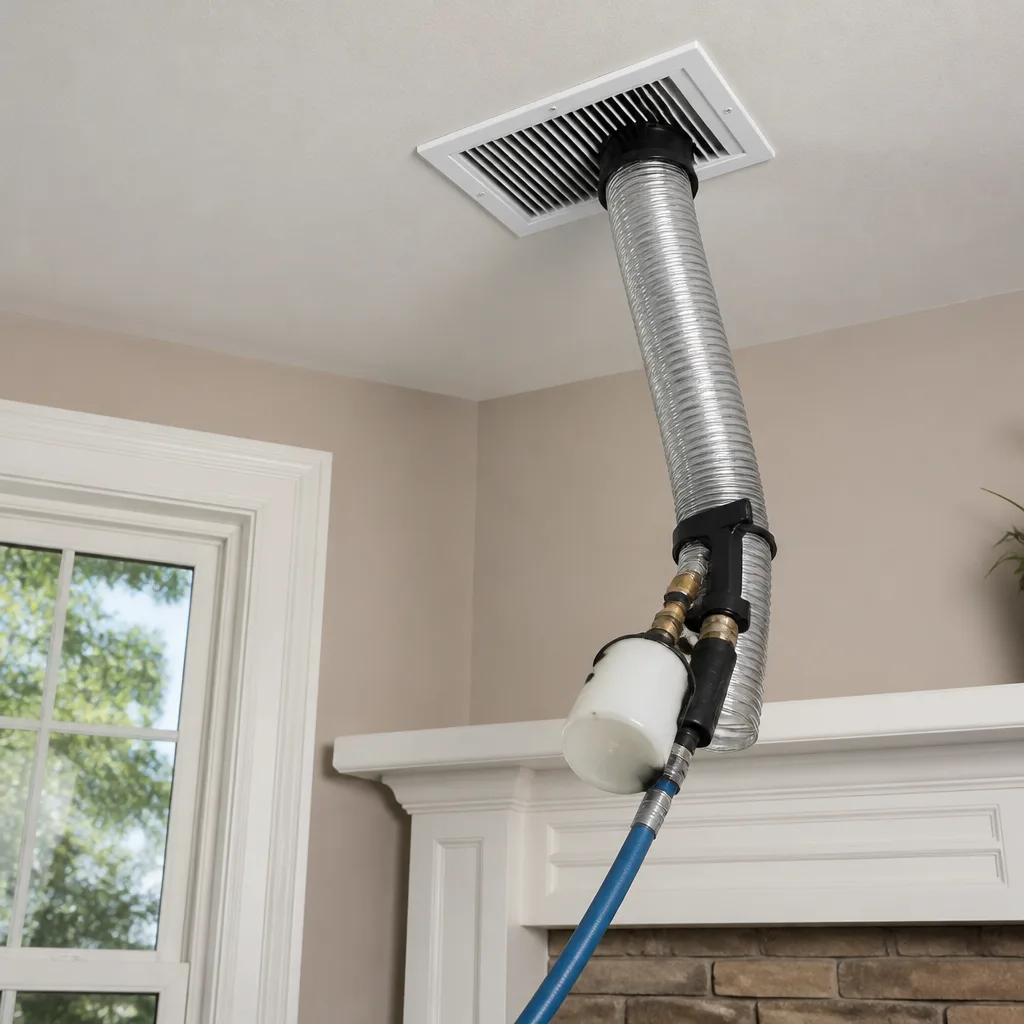 Sanitizing & deodorizing
Whole-system duct and dryer vent check with before-and-after photos - you see exactly what came out of your vents
That "$99 whole-house special" is a bait ad - the real number appears once they are in your hallway, or the "clean" is a shop-vac at the register. We photograph the inside of your ducts before and after instead.
Air Duct Cleaning Warning Signs: A Sunnyside Homeowner’s Reference Guide
Dust on your registers is normal. A little dust on your registers after a windy week in Sunnyside is even more normal. What most homeowners miss is that duct problems rarely announce themselves with one dramatic symptom. They show up as combinations – a musty smell plus a dust film plus a recent uptick in allergy symptoms, all in the same season. One signal alone usually means nothing. Three that arrive together almost always mean something. This guide gives you a severity-tiered index for reading those signals, a smell identification chart, and a self-inspection routine you can run with a flashlight and a phone before you call anyone. You’ll know what needs immediate attention and what can wait for routine service.
Quick Answer
You need air duct cleaning in Sunnyside when two or more warning signs show up together: visible dust streaking from registers, a musty or stale smell that returns after cleaning the room, unexplained allergy symptoms that worsen indoors, or visible debris inside a register boot when you shine a light into it. A single dusty vent is not an emergency. A musty smell with visible dark staining at a register is. We answer 24/7 if you’re unsure which category you’re in.
Styles & brands we work with
- Whole-home duct cleaning
- Dryer vent cleaning
- Camera inspection
- Sanitizing & deodorizing
Table of Contents
- The Severity Index: Low, Medium, and High Urgency Signs
- Dirty Ducts or Failing Equipment? How to Tell the Difference
- Smell Identification: What Musty, Burning, and Chemical Odors Tell You
- A Five-Minute Self-Inspection You Can Do at the Register
- Warning Signs in Sunnyside’s Older Housing Stock
- How to Verify the Work Was Actually Done
- How Often Ducts Really Need Cleaning
- A Related Warning Sign: Your Dryer Vent
The Severity Index: Low, Medium, and High Urgency Signs
Not every duct problem deserves the same response. Sorting the signals into three tiers helps you decide whether to schedule routine service or stop running the system until someone inspects it. That last part matters more than most people realize: running a system with a known contamination problem spreads whatever is in the ducts through every room.
Low urgency: schedule routine service
- Dust visible on register grilles, especially if it reappears quickly after you wipe them down
- A faint stale smell the first time the system kicks on after months of sitting idle
- Dust streaks on the ceiling or wall near a supply register
- The system has gone several years without a cleaning and you’ve never had it looked at
These are signals to get on a service schedule, not to panic. In Sunnyside’s pre-war and mid-century apartments, years of settling dust through narrow chases and shared risers make this the most common tier by far.
Medium urgency: get an inspection soon
- A musty smell that persists even after you clean and air out the room
- Visible dark debris or a fuzzy coating inside a register when you shine a light into the boot
- Allergy or asthma symptoms that reliably worsen when the system runs and improve when it’s off
- Increased dust settling on furniture within a day or two of cleaning
- Return air grilles that look darker or dirtier than the supply grilles
At this tier, the question isn’t whether to service the system – it’s whether to inspect before the problem spreads. We’d want eyes and a camera on the ducts within days, not weeks.
High urgency: stop running the system and call
- A musty or damp smell combined with visible dark staining around a register or duct joint
- A burning smell from a register (see the smell guide below – this may be electrical and is not a duct cleaning issue)
- Pest activity – droppings, nesting material, or a dead animal smell in the ductwork
- Water staining or rust at duct runs that pass through unconditioned spaces
- A physical collapse, disconnect, or visible gap in a duct run
For anything in this tier, shut the system’s fan off and call before you do anything else. The core question is whether the contamination is being moved through your home every time the air handler kicks on, and the answer is yes if you keep running it. Call (877) 792-6029. We answer 24/7. Fast dispatch from 7am to 7pm, Sunday through Friday.
Dirty Ducts or Failing Equipment? How to Tell the Difference
Duct problems and HVAC equipment problems produce overlapping symptoms. Homeowners often call about dust and surprise themselves by finding out the real issue is the system itself, or the reverse. Here’s the practical way to sort them.
Signs that point toward the ducts
- The dust problem is uneven – worse in some rooms than others, especially the farther you get from the air handler
- The air flow is weak in some registers and strong in others
- A musty or stale smell appears only when the system is running
- The system is otherwise cooling and heating normally
Uneven dust and uneven airflow are the tell. When one section of the home is consistently worse than the others, that usually points to a duct run with a leak, a disconnected joint, or a section that’s collected debris while the rest of the system stayed cleaner.
Signs that point toward the equipment
- The system runs but doesn’t heat or cool the way it used to
- You hear clicking, clanking, or rattling from the air handler itself
- Airflow is weak at every register at once
- The unit cycles on and off more frequently than it used to
Equipment symptoms live inside the unit. Duct symptoms live in the distribution. When a caller tells us the airflow is weak at every register, we point them toward an HVAC technician first, then toward duct cleaning once the equipment is confirmed healthy. If the complaint is “the back bedroom is always dusty,” the ducts are the better starting point. In our experience in Sunnyside, the two problems coexist more often than not. That’s why we treat HVAC cleaning and duct care as one connected job rather than two separate calls.
Smell Identification: What Musty, Burning, and Chemical Odors Tell You
Your nose is the fastest diagnostic tool you own. Different smells point to different problems, and one of the three main categories below is a genuine safety concern rather than a duct cleaning issue. Matching the smell to the cause before you call saves time and, in one case, could save more than that.
Musty smell
A musty, damp, or stale smell coming from a register almost always points to moisture in the system – condensation in the air handler, a duct run passing through a damp crawl or wall cavity, or microbial growth on a contaminated surface. In Sunnyside, where many buildings have original wall cavities with little ventilation, a duct run that passes through a damp chase can smell stale year-round. This is a duct condition problem, not a warning of an equipment failure. It’s the most common medium-to-high urgency signal we get called about.
Burning smell
A burning smell from a register is an electrical concern, not a duct concern. It could be the air handler, the blower motor, or wiring in the system. Shut the system off, call an HVAC technician, and only after the equipment is cleared should you look at the ducts. A burning smell should never be treated as a duct cleaning matter until the electrical side is ruled out. If you smell it now, shut the system down before you call anyone.
Chemical or solvent smell
A sharp chemical smell coming from a register after a painting project, a furniture refinishing job, or a pest-control treatment is usually airborne chemical vapor being drawn through the return. This is a temporary situation and often clears within hours once the source is gone and the system has run long enough to move the air through. A chemical smell that persists for more than a day or two after the source is removed is worth a call.
Learning to name the smell correctly is one of the more useful skills in this guide. When you call, tell us which of the three you’re experiencing – it changes the response plan entirely.
A Five-Minute Self-Inspection You Can Do at the Register
You can gather useful information about your ducts with nothing more than a flashlight and the camera on your phone. This isn’t a replacement for a professional inspection – the ducts go places you can’t see – but it’s a good first filter before you pick up the phone.
- Remove one supply register cover. Most have two screws or a friction fit. Put the screws in a small bowl so they don’t get lost in the floor.
- Shine a light into the boot (the metal box the register connects to). Look for a visible dust layer, dark fuzz, or debris clinging to the sides.
- Take a phone photo with the flash on and zoom in after. This shows more detail than a naked-eye look.
- Repeat at three registers in different parts of the home – one near the air handler, one mid-run, one at the far end. Uneven results are the most useful data.
- Do the same at one or two return grilles. Return grilles that look much darker than supply grilles strongly suggest the system is pulling contamination in from the living space and not filtering it out.
- Note the difference between the near and far registers. If the near register is clean and the far register is dirty, the problem is likely at the far end – a leak, a disconnected joint, or a long run that’s collected debris.
- Wipe one register with a white paper towel and photograph the towel. This is the single best before-and-after baseline you can own before calling anyone.
What you’re looking for in the photos: dark staining, a fuzzy texture on the metal or flex material, visible debris particles, or a clear smell coming from the boot. Any of those combined with a musty smell is enough to warrant a professional look. For a deeper walk-through of the process itself, see our air duct cleaning page.
Warning Signs in Sunnyside’s Older Housing Stock
Sunnyside has plenty of pre-1980 housing – the brick apartment buildings along Queens Boulevard, the attached row houses on the side streets, the two-family homes between 40th and 48th Streets. Older duct systems come with their own warning signs, and they’re worth knowing.
Original flex duct
Early flex duct was more prone to sagging, kinks, and tears than modern material. Once it sags or gets kinked, it traps debris at the low point and can choke airflow. If you can see the duct run in a basement or utility closet and it looks pinched, sagging, or visibly damaged, that’s a warning sign even if the register looks fine. A duct cleaning alone won’t fix it. That job needs repair and sealing, which we handle alongside cleaning so a sagging run doesn’t just fill back up.
Metal duct with deteriorating joints
Older metal ductwork was often assembled with slip-and-drive joints, tape, and mastic. Over decades, the tape fails, the mastic cracks, and joints separate. Visual cues: dust streaks at the joints, peeling tape on a visible run, or a register that sits noticeably loose in its frame. A joint that’s come apart will pull dust and air from whatever wall cavity it passes through. That’s a duct repair issue, not just a cleaning issue.
Shared risers in multi-unit buildings
In Sunnyside apartment buildings, duct runs sometimes share a chase or riser between units. If a neighbor’s renovation sends dust into the shared chase, or a roof leak finds its way down a riser, the smell and dust can appear in your unit with no obvious cause. Warning sign: a sudden dust or odor change in a unit that hasn’t had any recent work done. That’s worth a building-wide look, and property managers should treat it as a maintenance call for the whole riser, not just one unit.
Ducts passing through unconditioned spaces
Older homes often run ductwork through attics, crawlspaces, or wall cavities that weren’t insulated to modern standards. Those runs collect condensation in summer and rust in winter. Watch for rust streaks, water staining at duct joints, or a musty smell that gets worse in humid weather. Any of those signs mean the duct run needs inspection before cleaning, since cleaning a wet or rusted run without addressing the moisture problem only delays the issue.
None of this means older housing is a problem – it means older housing benefits from a knowledgeable eye. Our technicians have up to 9 years of experience with the duct layouts common in Sunnyside’s walk-ups and row houses.
How to Verify the Work Was Actually Done
This is where most homeowners get burned. A cleaner shows up, spends forty-five minutes, and hands you a receipt. You have no idea whether the ducts were actually cleaned, half-cleaned, or barely touched. If you take one thing from this guide, make it this: demand documentation, and demand before-and-after photos of your own ducts.
What proper documentation looks like
- Before-and-after photos at multiple registers, taken by the technician on the day of the visit
- Camera footage inside the duct runs during cleaning, not just at the register opening
- A written report noting what was cleaned, what was found, and what’s recommended next
- A stated scope of work up front, so you know exactly what is being cleaned and what is not
- One flat price per system, agreed before the work begins – not a per-vent price that grows as the technician counts vents on site
The most common bait-and-switch pattern in this industry is a very low advertised price that becomes a large invoice once the technician is inside. The second most common is the “cleaning” that only touches the register and the first foot of duct. Neither is what you’re paying for. Ask two questions when you call: “What’s the flat price for my whole system?” and “Will I get before-and-after photos of my ducts?” If either answer is vague, that’s your signal.
What equipment tells you
Consumer-grade vacuums and shop-vacs don’t move enough air to actually clean a duct run. They polish the register and leave the contamination in place. Professional-grade systems do. We use Sunnyside Air Duct Cleaning equipment from Rotobrush and Nikro, both purpose-built for mechanical duct cleaning, and we deploy Abatement Technologies containment equipment on site to keep debris from redistributing through the home during the job. That containment step is a process standard borrowed from mold and restoration work, and it changes the result.
How Often Ducts Really Need Cleaning
The honest answer is that most homes don’t need duct cleaning on a fixed schedule. Ducts need cleaning when a warning sign points to it, and several conditions make that more likely to come up sooner. Here’s the practical framework we use.
Conditions that move you up the list
- You’ve just finished a renovation or had a contractor in the home – drywall dust is the single biggest contributor to duct contamination
- You have pets, especially dogs or cats that shed
- Someone in the household has asthma, allergies, or another respiratory condition
- You’ve recently moved into a home where the previous occupant smoked indoors
- You’ve had water damage, a roof leak, or a damp basement event
- You can see dust streaks at register boots or smell a persistent musty odor
Conditions that mean routine is fine
- The home is newer, you’ve never had a major renovation, and the registers look clean
- No one in the household has respiratory symptoms that track with the system running
- You’ve had a cleaning within the last few years and nothing has changed
For most Sunnyside homes, a reasonable interval is every few years if none of the conditions above applies, and sooner if any do. The system should be inspected, not just cleaned, at the same visit – dirty ducts and tired equipment tend to show up together.
A Related Warning Sign: Your Dryer Vent
Duct cleaning and dryer vent cleaning are different services, but they share the same source of warning signs: buildup you can’t see. Your dryer vent carries lint and moisture out of the home. When lint accumulates inside the vent run – especially at bends and elbows – it restricts airflow and creates a fire fuel source inside a hot metal tube.
Dryer vent warning signs
- The dryer takes noticeably longer to dry a normal load than it used to
- The top of the dryer feels hot to the touch during a cycle
- The laundry room feels humid or smells like lint after a cycle
- Lint builds up around the outside vent flap or on the screen much faster than expected
- The dryer shuts off mid-cycle on its own – this often signals the thermal cutoff tripping on overheating
Any of these warrant a vent inspection. Dryer vents cleaned. Fire risk reduced. We treat dryer vent cleaning as part of whole-home air safety, not a separate add-on. If you have a dryer and can’t remember the last time the vent was looked at, put it on the same service call as the ducts.
Common Mistakes to Avoid
- Calling on the lowest advertised price. The lowest price in Sunnyside usually becomes a much larger invoice once the technician is inside. Ask for the flat whole-system price before booking, not after.
- Confusing a clean-looking register with clean ducts. The register is the last two inches of a duct run. The contamination lives in the run itself, in the boots, and at the air handler – places you can’t see from the room.
- Skipping the documentation. If you don’t get before-and-after photos of your own ducts, you don’t actually know what happened on the job. Ask before booking.
- Treating a musty or burning smell as a duct cleaning matter without checking the equipment. Burning smells are electrical; musty smells with visible staining may point to moisture intrusion. Cleaning the ducts without fixing the source only delays the problem.
- Running the system after seeing high-urgency signs. If you see dark staining and smell mustiness, shutting the system off and calling is the correct response. Running it distributes the contamination through every room.
- Ignoring the dryer vent because it’s a small job. The vent is often the highest fire-risk item in an older home and the easiest to overlook.
- Assuming a single, isolated dusty register means something is wrong. One dusty vent after a windy week is normal. Three in the same season is a pattern, and patterns deserve a call.
See the difference
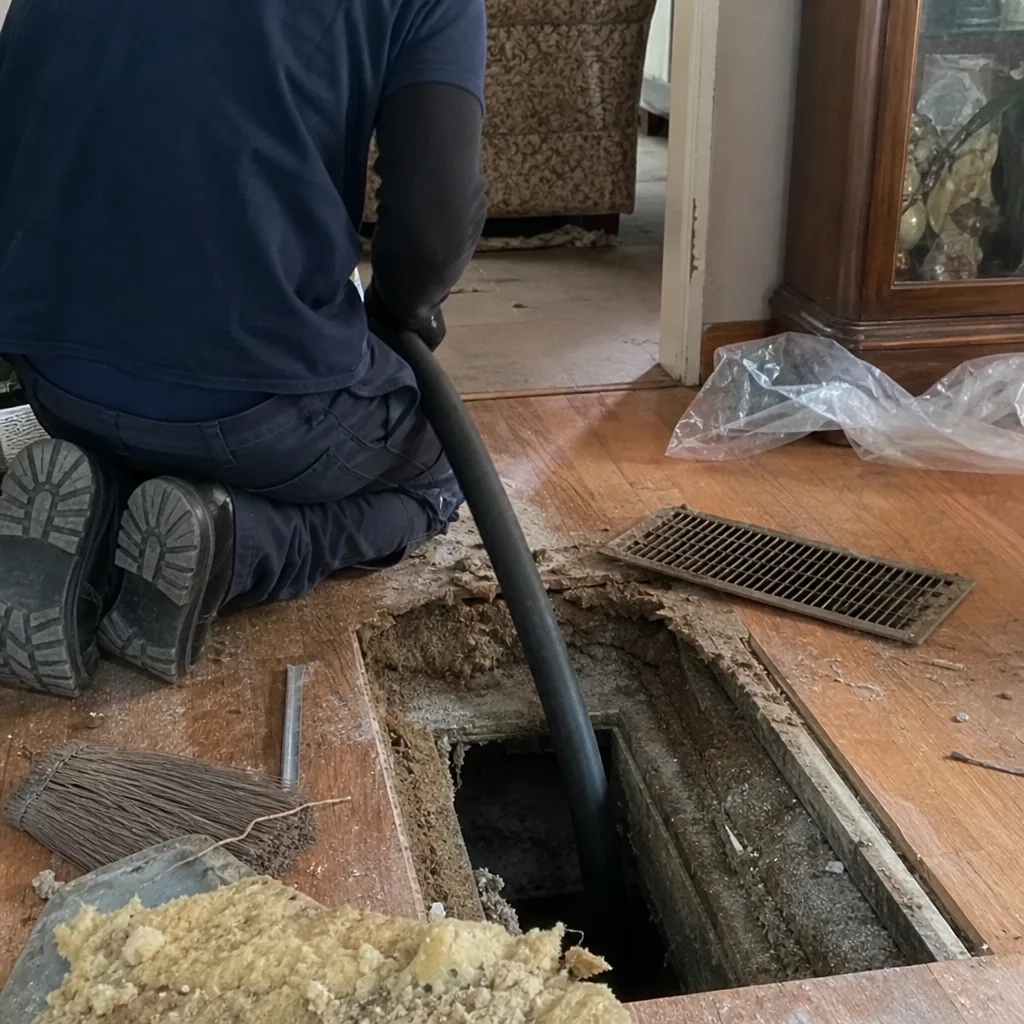 Before
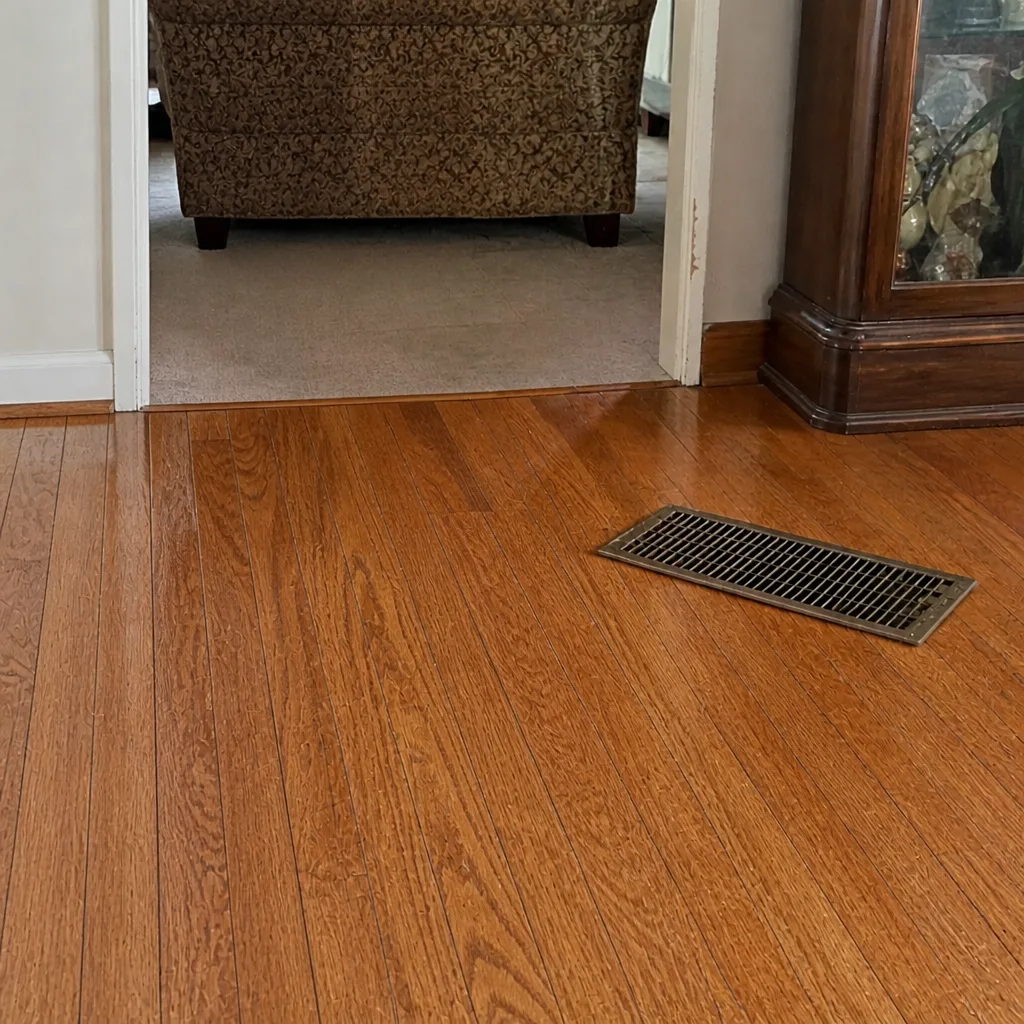 After
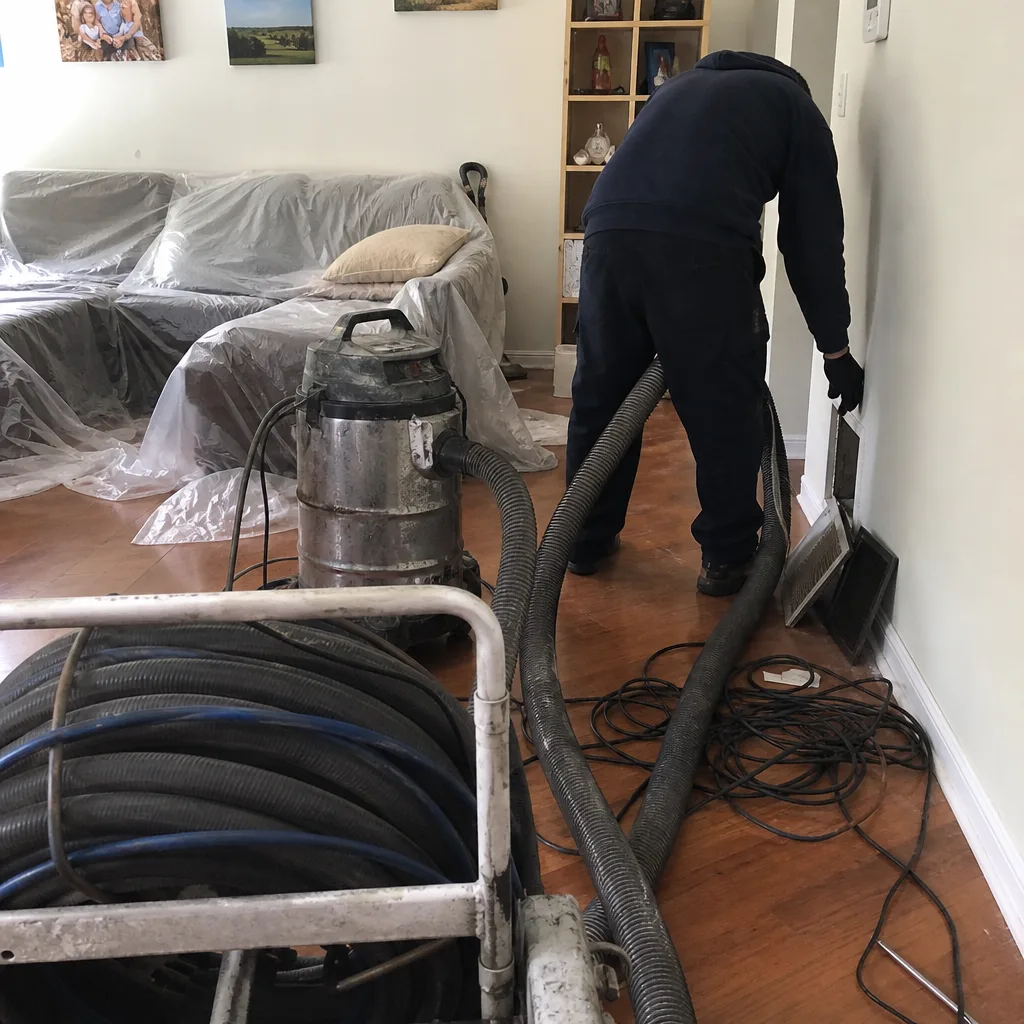 Before
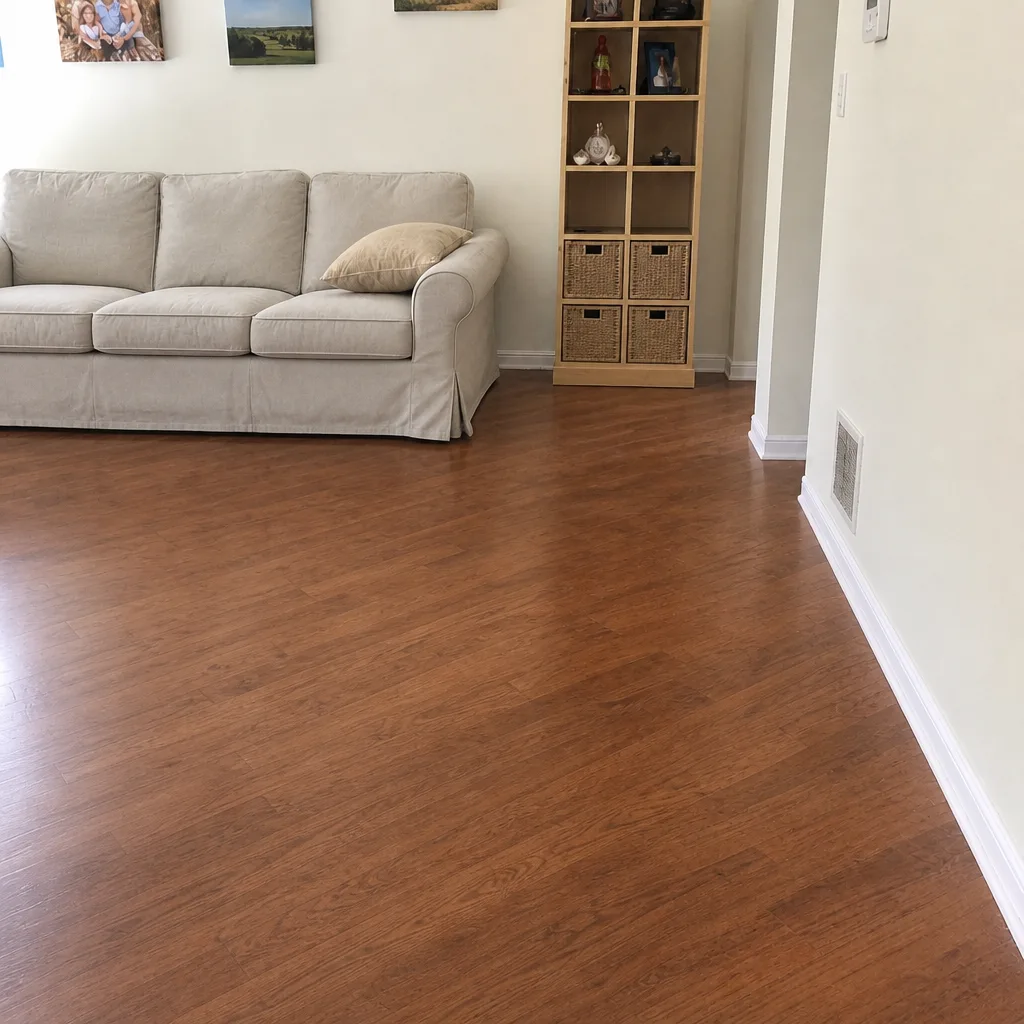 After
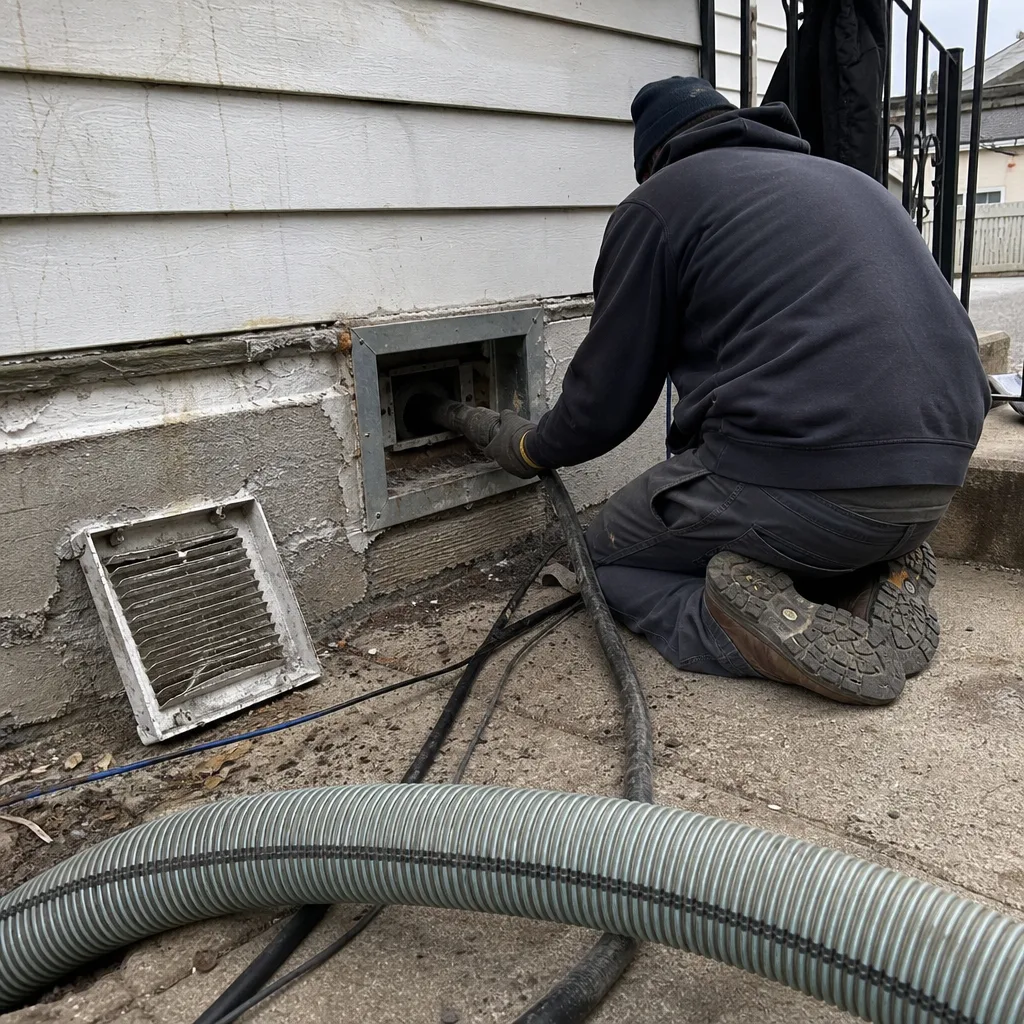 Before
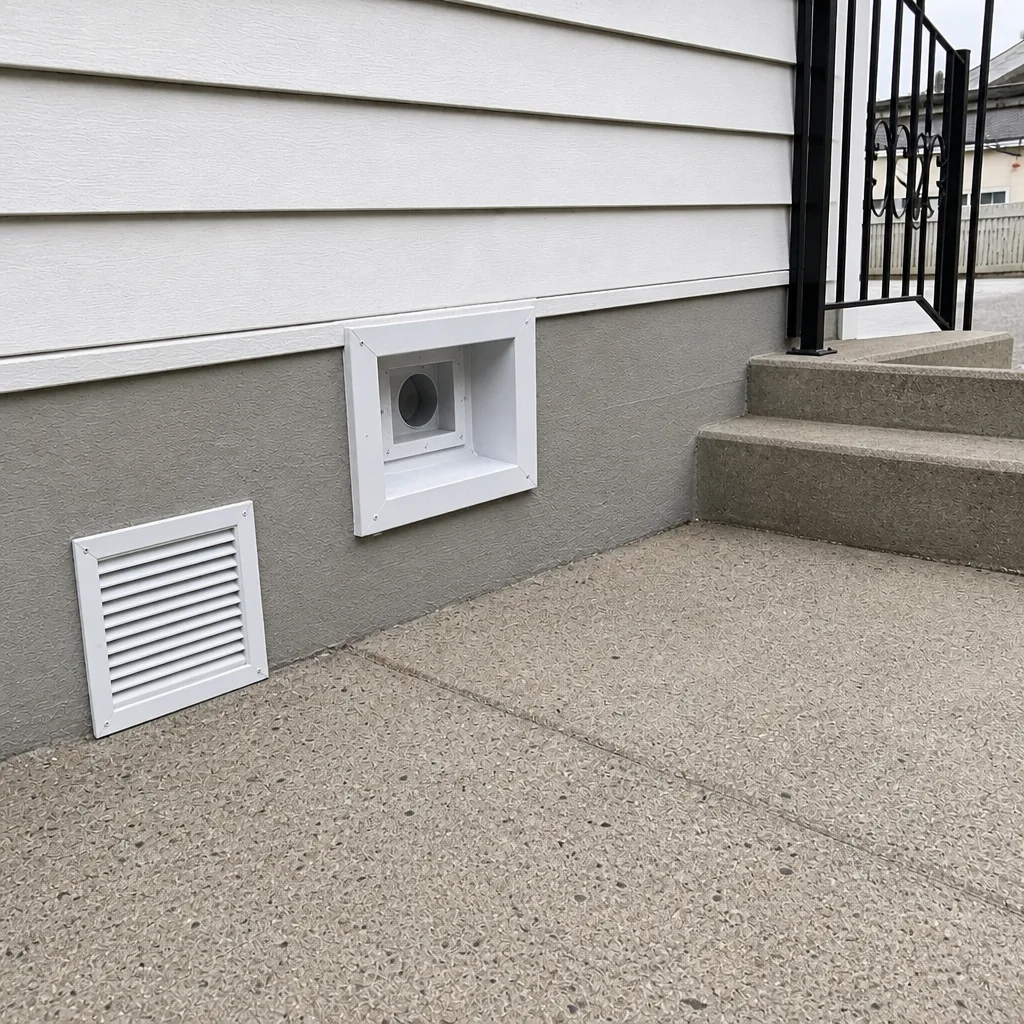 After
When to Call a Professional
Call us when two or more warning signs appear together – especially a musty smell plus visible dark debris at a register, or unexplained allergy symptoms that track with the system running. Call immediately if you see water staining or rust on a duct run, smell something burning (shut the system off first, then call an HVAC technician, then call us about the ducts), notice pest activity, or find a physically disconnected or collapsed duct. Call if you’re a property manager who needs a building-wide inspection documented for a shared riser. And call if you simply can’t remember the last time the system was looked at and want a straight answer on whether it needs cleaning. Sunnyside Air Duct Cleaning offers free estimates in Sunnyside – call (877) 792-6029. We answer 24/7. Fast dispatch from 7am to 7pm, Sunday through Friday.
Frequently Asked Questions
A persistent musty smell that returns after you clean and air out the room is the single most reliable sign. It points to moisture or microbial growth inside a duct run, which is a condition that cleaning is designed to address. A dusty register alone is rarely conclusive, but a musty smell combined with visible dark debris inside the boot moves this to an inspection-level concern. Call (877) 792-6029 for a free estimate if you’re seeing this combination.
Air duct cleaning in Sunnyside is priced per system, not per vent, and your written estimate sets the final price after the technician sees the layout. When you call, ask for the flat whole-system price up front – any quote based on a per-vent count is the pattern that grows into a larger invoice once the technician is inside. Estimates are free. Call (877) 792-6029 to schedule an assessment.
Cheaper quotes are almost always cheaper because they use consumer-grade vacuums, skip the containment step, or only clean the first foot of duct behind each register. Professional-grade Rotobrush and Nikro equipment and Abatement Technologies containment equipment are real costs to the operator, and they change the result. Ask any cleaner what equipment they use and whether they provide before-and-after photos of your own ducts. If either answer is vague, that’s your answer.
Ask for before-and-after photos of your own ducts, taken at multiple registers on the day of the visit, and camera footage from inside the runs. A written report noting what was cleaned and what was found is the other half of the answer. Any reputable cleaner will provide all three without being asked twice. This is what we mean by “we show our work” – it’s a documentation standard, not a slogan.
Most Sunnyside homes need duct cleaning every few years at most, and less often if the home is newer with no pets and no recent renovations. Move it up the list after any renovation, after water damage, if someone in the household has asthma or allergies, or if you notice any of the warning signs in this guide. Duct cleaning is a condition-based service, not a fixed-calendar one.
Ducts don’t create allergies, but a contaminated duct system can move dust, mold spores, and other particles through every room every time the system runs. For someone already sensitive, that’s a real difference between an indoor environment that feels stable and one where symptoms track with the system running. If you notice that your allergy symptoms reliably worsen indoors when the air handler is on and improve when it’s off, that’s a pattern worth investigating. Call (877) 792-6029 for a free estimate and a look at the system.
The Bottom Line
Warning signs fall into three tiers, and the tier matters more than the individual sign. Low-urgency signs – dusty registers, dust streaks near a ceiling vent – mean schedule routine service. Medium-urgency signs – a persistent musty smell, dark debris inside a register, allergy symptoms that worsen when the system runs – mean inspect soon, before the problem spreads. High-urgency signs – water staining, pest activity, a burning smell, a disconnected run – mean stop running the system and call now. In Sunnyside’s older housing stock, pay extra attention to original flex duct, deteriorating metal joints, and shared risers between units. And no matter which sign you’re seeing, verify the work with before-and-after photos of your own ducts. The combination matters most. One signal is a hint, three together are a pattern, and patterns deserve a call.
If you’re seeing any of the signs in this guide and want a straight answer instead of a sales pitch, call Sunnyside Air Duct Cleaning at (877) 792-6029 for a free estimate. We answer 24/7. Fast dispatch from 7am to 7pm, Sunday through Friday.
Written by the team at Sunnyside Air Duct Cleaning.