
Last updated November 22, 2026
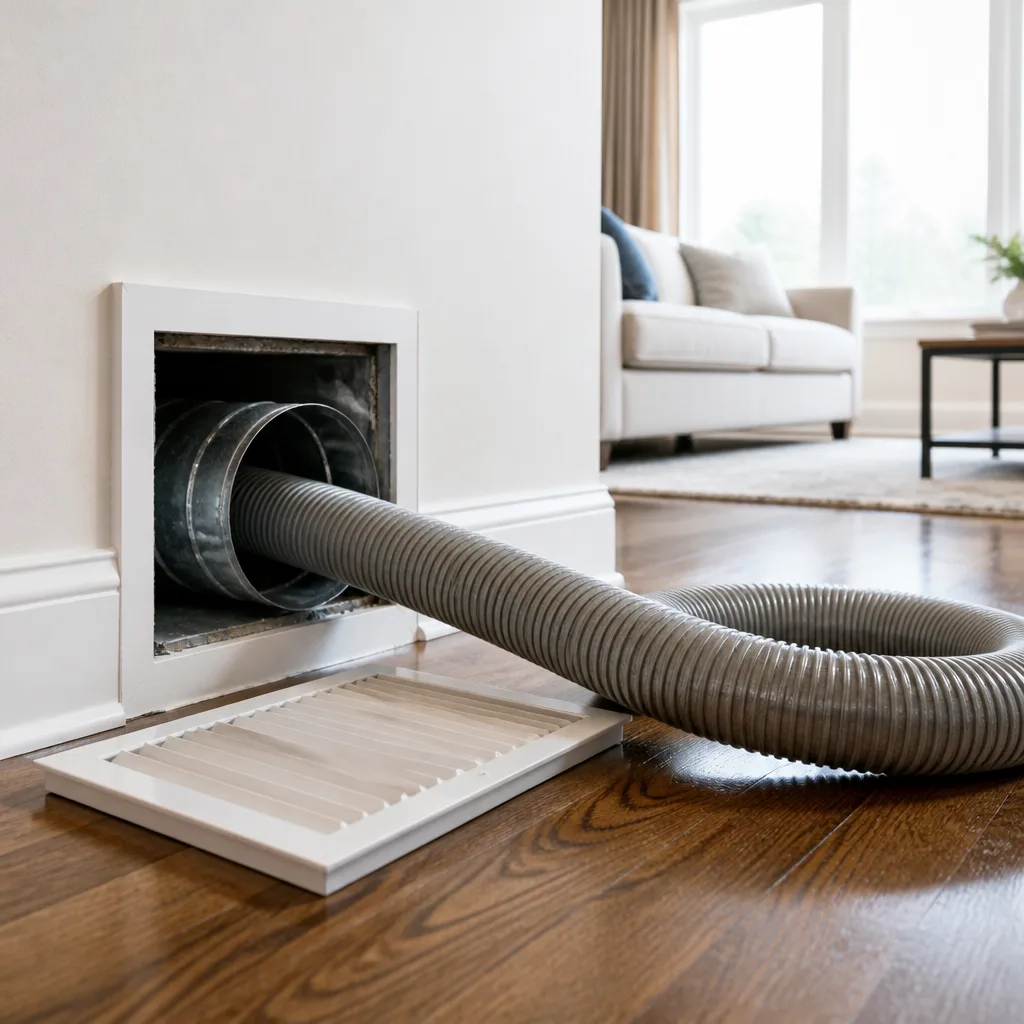 Whole-home duct cleaning
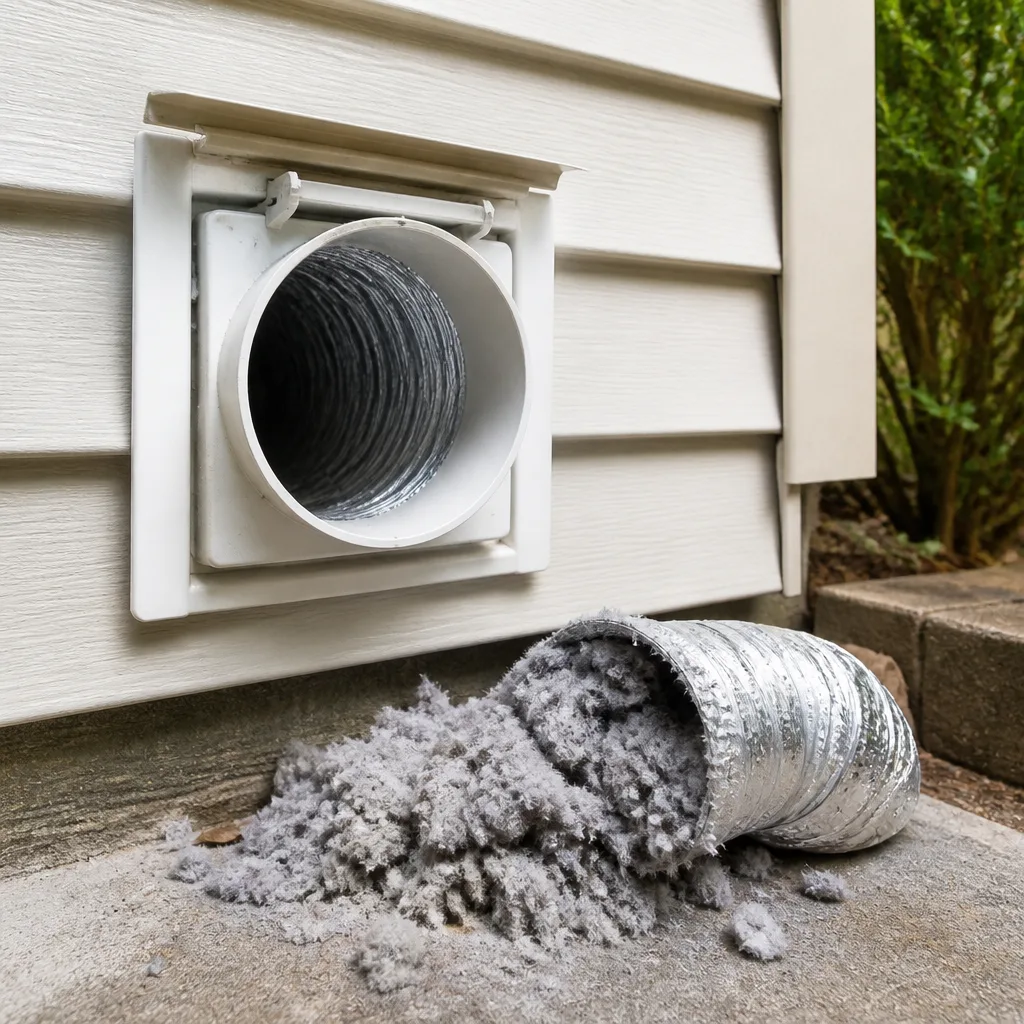 Dryer vent cleaning
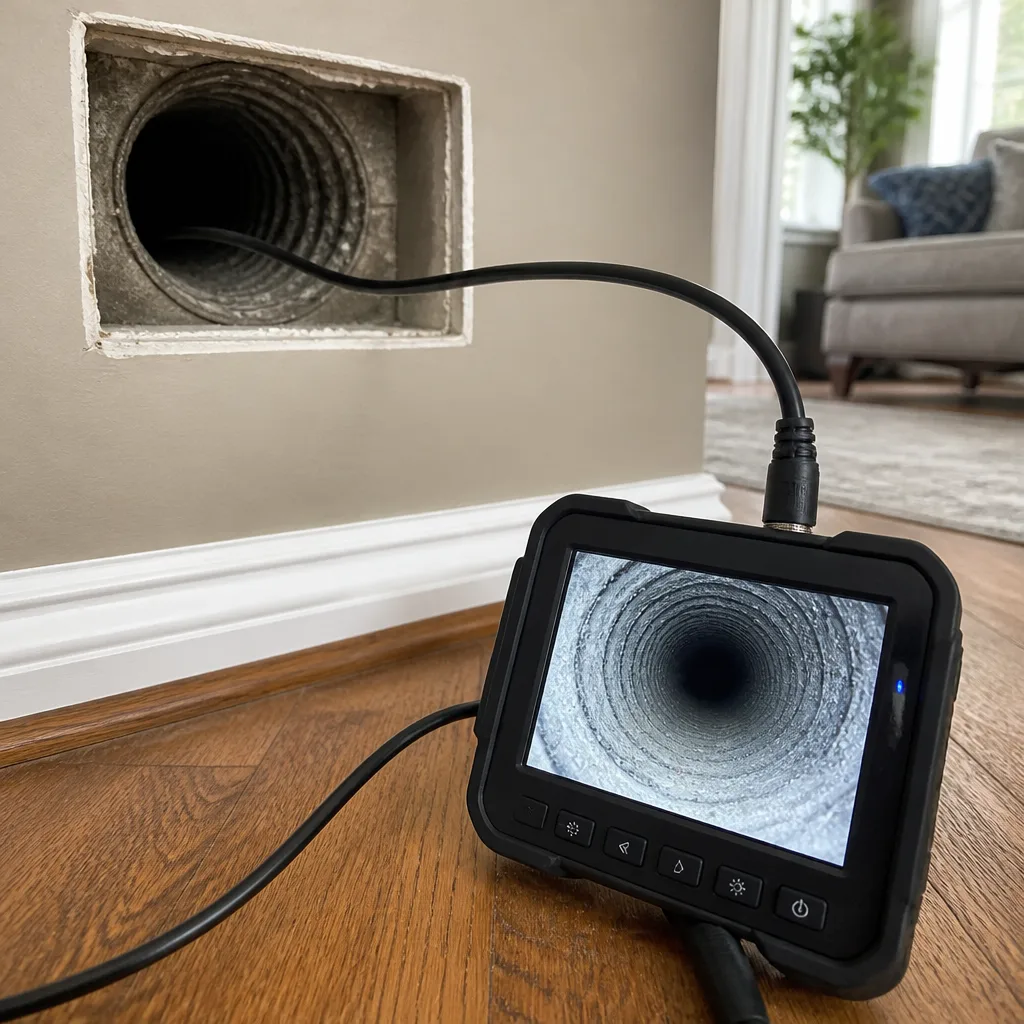 Camera inspection
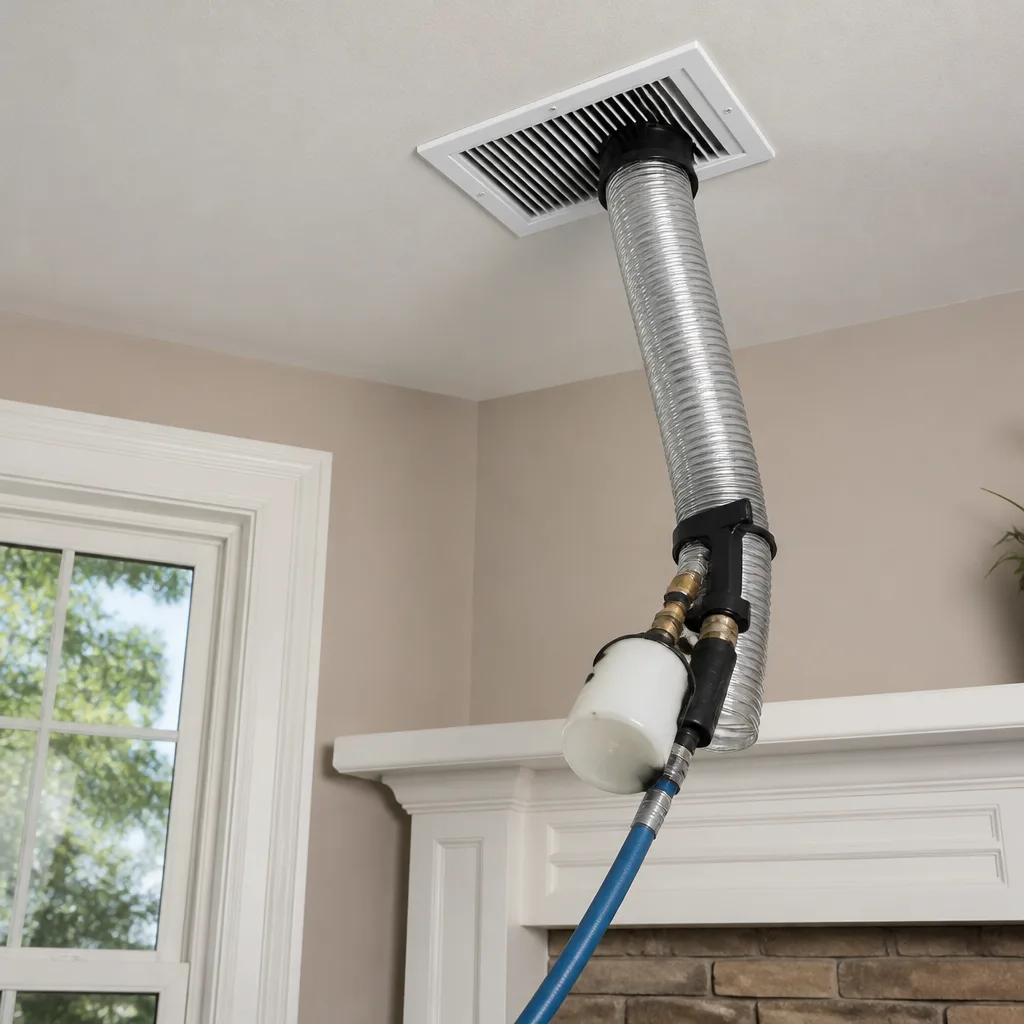 Sanitizing & deodorizing
Whole-system duct and dryer vent check with before-and-after photos - you see exactly what came out of your vents
That "$99 whole-house special" is a bait ad - the real number appears once they are in your hallway, or the "clean" is a shop-vac at the register. We photograph the inside of your ducts before and after instead.
The Complete Guide to Air Duct Cleaning in Sunnyside
Most homeowners in Sunnyside decide about air duct cleaning the way they’d decide about an oil change: what’s the price, and how fast can you do it? That’s the wrong question, and it’s the reason so many people end up with a receipt and no real idea what happened inside their ducts. Cleaning is a physical job with a process you can see, inspect and verify, and once you know what “done right” looks like, the cheap quote stops looking cheap. This guide walks through what builds up in Sunnyside duct systems, how professional equipment differs from a shop vacuum, how to check the work yourself with a phone camera, and how maintenance actually fits a home in this neighborhood.
Quick Answer
Air duct cleaning in Sunnyside means mechanically removing dust, debris and buildup from the entire duct system using professional-grade equipment, not just vacuuming visible registers. A proper job follows NADCA standards, uses containment to protect your rooms, and ends with before-and-after documentation you can look at yourself. Expect a whole-system service to run a few hours and to be priced per system by a written estimate, never per vent.
Styles & brands we work with
- Whole-home duct cleaning
- Dryer vent cleaning
- Camera inspection
- Sanitizing & deodorizing
Table of Contents
- Why Sunnyside Ducts Collect What They Do
- NADCA Standards vs. a Blow-and-Go Job
- The Equipment Benchmark: What to Look For
- How to Inspect Your Own Ducts with a Phone Camera
- The Duct-Health Lifecycle: Clean, Seal, Sanitize, Upgrade
- Dryer Vent Cleaning: The Safety Side of Duct Health
- How Often Sunnyside Homes Actually Need This
- How to Verify the Work Before the Technician Leaves
Why Sunnyside Ducts Collect What They Do
Duct systems in dense urban neighborhoods like Sunnyside collect a different mix of material than the ones in a suburban cul-de-sac. That’s not a marketing line; it’s just how air moves through a place where buildings sit close together, windows open onto busy streets, and kitchens run hard in small footprints.
Here’s what tends to accumulate in a Sunnyside duct system:
- Transit and street particulate. Sunnyside sits along major bus and subway corridors. Diesel and brake dust from heavy traffic is fine-grained, and intake air pulls it in through returns, filters and any gap in the system. Fine particulate is the hardest kind to catch with a basic filter, and the easiest to redistribute if the cleaning equipment isn’t contained.
- Dense cooking exhaust. In apartment-dense buildings and row houses, kitchens are small and ventilation is often limited. Cooking aerosol – the fine mist of oil and moisture that rises off a hot pan – settles on surfaces and gets pulled into return air. Over time it forms a slightly tacky film inside duct walls that plain vacuuming doesn’t lift. That film then catches dust.
- Older building dust profiles. Much of Sunnyside’s housing stock predates modern filtration and sealed construction. Older ductwork has more joints, more imperfect seams, and more places for debris to settle. It also has more opportunity for air to leak out before it reaches a room.
- Pollens from street trees and garden blocks. Sunnyside has plenty of mature trees and small front gardens. Spring and early summer pollen loads come in through open windows and outdoor intakes.
The point isn’t that Sunnyside air is worse than anywhere else. It’s that the mix of debris is specific enough that a generic cleaning approach doesn’t address it. You need equipment that can reach into the full run, agitate what’s stuck to the walls, and contain what comes out. That’s the difference between air duct cleaning that actually changes what you breathe and a visit that looks tidy but leaves the interior untouched.
NADCA Standards vs. a Blow-and-Go Job
NADCA – the National Air Duct Cleaners Association – publishes a standard for how residential duct cleaning should be performed. It’s the closest thing the industry has to a benchmark, and it’s the yardstick you should use when comparing quotes. A blow-and-go job skips most of it.
What a NADCA-standard cleaning includes, in plain terms:
- Source removal. The goal is to physically remove contaminants from the duct system, not just knock them loose. That means mechanical agitation along the duct walls followed by high-volume negative-pressure extraction.
- Full-system coverage. Supply runs, return runs, registers, grilles, the plenum, and the air handler interior all get addressed. A job that only touches the visible registers isn’t cleaning the system.
- Containment. Openings are sealed and negative pressure is maintained during the work so that dislodged debris doesn’t drift back into living space. This is where equipment like Abatement Technologies containment gear shows up, and it’s the part most cheap quotes skip.
- Protection of components. The blower, coils and any fragile components are protected during cleaning so the cleaning itself doesn’t damage the system.
- Before-and-after verification. Photos of the interior of the ducts, taken before and after, should be available to you. If nobody offers them, ask.
A blow-and-go visit typically means one pass with a shop-grade vacuum at the registers, no containment, no interior agitation, no documentation, and somewhere between fifteen and forty minutes on site. It leaves dust on the duct walls and just enough evidence of activity to look like something happened. Sometimes it actually makes air quality worse by stirring settled debris into the airstream.
When you’re comparing quotes for air duct cleaning in Sunnyside NY, ask each one whether they follow NADCA standards. If the answer is vague, or if the quote arrived with per-vent pricing, that tells you what you need to know. Our team follows the standard because it’s the only version of the job we can stand behind.
The Equipment Benchmark: What to Look For
You can’t judge a duct cleaning from the street, but you can judge the equipment when it comes through the door. Professional duct cleaning gear is purpose-built, and it looks different from the shop vacuum in your garage. Here’s what to check for and what it tells you.
Rotobrush and Nikro systems
Rotobrush and Nikro are two equipment names that come up repeatedly in professional duct cleaning and restoration work. The Rotobrush system uses a rotating brush head on a flexible whip that runs through the duct, agitating the full circumference of the interior before extraction. Nikro makes high-capacity negative-pressure units and filtration equipment built for the volume of debris a real duct cleaning produces. Either one is a signal that the technician planned for a mechanical job, not a cosmetic one.
Containment equipment
Look for sealed openings, negative pressure maintained throughout, and HEPA-level filtration on the exhaust. That’s essentially what Abatement Technologies equipment is designed for – it’s the same class of gear used in mold and restoration work, where contamination control is not optional. Applied to duct cleaning, it’s the difference between debris leaving your home and debris relocating to your living room.
What to check on the day of service
- Camera access. The technician should be able to show you what’s inside the ducts before and after, ideally on a screen you can see.
- Proper hose diameter and negative pressure. If the hose diameter is small and the vacuum motor sounds like a home appliance, the extraction capacity is too low for a whole-house system.
- Brush or agitation tools. Something needs to physically contact the duct walls. Vacuum suction alone won’t lift a cooking film or stuck debris.
- Containment inventory. Sealed registers, floor protection, and a filtration unit. All three.
- Written scope before work starts. What’s being cleaned, what’s being sealed, and whether anything is being sanitized. In writing.
If a quote is dramatically lower than the others, this is the list where it’s being cut. Professional equipment is expensive to buy and maintain, and it’s the cost that gets skipped when someone is trying to undercut the market.
How to Inspect Your Own Ducts with a Phone Camera
You don’t need special tools to get a basic look inside your duct system. A phone with a flashlight and a willingness to pop off a register cover will show you enough to make a good decision – and enough to check the work afterward.
Before service: what to look for
- Remove a supply register cover. Not all at once – start with one in a room you use most. Set the screws aside where you can find them.
- Shine your phone flashlight into the duct opening at an angle. You’re looking at the duct wall, not the straight-ahead view. Angle the light so it rakes across the surface.
- Take a photo. Wide shot and close detail. If you see a mat of dust or a fuzzy layer coating the walls, that’s the layer that a proper cleaning should remove.
- Repeat at a return register. Returns carry the dirtiest air in the system, so they often show the most buildup.
- Check the air handler area. If it’s accessible, a photo of the interior around the blower and filter slot shows how much material has been drawn in.
Note anything unusual – musty smell, visible mold, water staining, disconnected sections, or debris that looks like it came from outside. Those are the things to point out to the technician on arrival.
After service: how to verify
- Repeat the same photos from the same register, same angle, roughly the same light. This is the only real way to compare.
- Look at the plenum and air handler area again. The interior should read as visibly different, not slightly dustier than before.
- Check for streaks of settled dust on horizontal surfaces near the registers. Proper containment means nothing settled – if surfaces are dusty right after the job, something wasn’t sealed.
- Ask the technician to show you their before-and-after photos on the same register. Compare what they show you with what you took yourself.
We show our work for exactly this reason. Our technicians have up to 9 years of experience and take before-and-after photos as part of the job, not as an upsell. When you can see the interior of your ducts before and after, the whole question of “did they actually do it” disappears.
The Duct-Health Lifecycle: Clean, Seal, Sanitize, Upgrade
One cleaning visit is not a fix. It’s the start of a lifecycle. Ducts get dirty again – that’s physics – and the homes that stay clean are the ones that address the underlying causes rather than just the symptoms.
Here’s how the lifecycle breaks down in a Sunnyside home:
1. Cleaning
This is the reset. Full-system mechanical cleaning with proper containment removes what’s already there. It’s the foundation of everything else, and if it’s not done right, nothing downstream works. Sunnyside Air Duct Cleaning handles this as a complete service line, from the register grilles to the plenum and interior of the air handler. If your home also needs HVAC coil and component attention, that’s covered as HVAC cleaning as a related service.
2. Repair and sealing
Duct leaks are the most common reason a system gets dirty again quickly. Gaps at joints, disconnected sections, deteriorating tape, and undercut wall cavities act as intake points pulling unfiltered air into the system. Sealing the leaks closes those paths. That’s why we offer repair and sealing along with cleaning, rather than sending a customer to a separate contractor to sort out leaks after we’ve left. In an older Sunnyside building, addressing loose joints is often more important than the cleaning itself for long-term results.
3. Sanitizing
Cleaning removes the physical material. Sanitizing addresses the surface after the material is gone. Guardsman-grade cleaning and protection products are what we incorporate into the sanitizing step – a post-cleaning layer that helps keep the duct walls in a better state for longer. Not every home needs sanitizing; if there’s been a water event, a pest issue, or a persistent musty smell, it’s usually worth it.
4. Air quality upgrade
The last step is where most companies leave off – and where a properly handled system moves from “clean” to “cleaner air going forward.” Filtration upgrades, whole-home media filters, humidity control, and ventilation components from brands like Honeywell and Aprilaire are designed to work with the duct system, not against it. Familiarity with these systems matters, because a filtration upgrade that’s the wrong size for the air handler can create back pressure and hurt system performance. Matching the upgrade to the system is the whole job.
Single-company accountability is the reason we cover all four steps in one relationship. Coordinating a cleaner, a duct repair specialist, a sanitizer, and an air quality installer across three or four companies is how good intentions turn into gaps.
Dryer Vent Cleaning: The Safety Side of Duct Health
Dryer vents live in a different category of ductwork, with a different set of stakes. A dryer vent that’s obstructed by lint makes the dryer run longer, uses more energy, and creates a fire risk that a regular cleaning schedule can address. This isn’t a scare tactic – it’s the reason dryer vent cleaning is part of a whole-home safety service rather than an add-on.
What to look for in a Sunnyside home:
- Long, complicated vent runs. Older Sunnyside buildings often have vent runs routed through tight spaces with multiple elbows. More elbows, more lint traps.
- Drying times that stretch longer every year. If a load that used to finish in 45 minutes now takes 70, the vent is likely the problem.
- Heat and moisture around the dryer. A warm dryer cabinet, condensation on interior walls near the vent, or a musty smell in the laundry area are signs the exhaust path is restricted.
- Cracked or disconnected venting. Flexible foil or vinyl vent runs are common in older homes and can sag or detach at joints. That means lint goes into the wall cavity instead of outside.
The service itself is straightforward: disconnect the dryer, run the line from the dryer connection through to the exterior termination, remove the lint and any nests, and confirm airflow at the exterior hood. Photos of the vent line before and after, same as the duct cleaning.
If you’re already having ducts cleaned, adding dryer vent cleaning at the same visit is the practical choice. Both jobs are about the same equipment and the same containment discipline. Our team handles dryer vent cleaning as a standing service line, not something scheduled separately after a request. Dryer vents cleaned. Fire risk reduced. That’s the whole pitch.
How Often Sunnyside Homes Actually Need This
There’s no single number that applies to every home, but there is a decision framework that gets you to the right number for your home. In our experience, most Sunnyside homes fall into one of three categories, and the interval should match.
The three-to-five year interval
Applies to homes with recent ductwork, well-sealed joints, a properly sized filter, and no pets, smokers or recent renovation. Cleaning every three to five years, with filter changes on the manufacturer’s schedule, keeps the system in good shape. These are the homes where regular maintenance genuinely means less frequent deep cleaning.
The two-to-three year interval
Applies to most Sunnyside homes in the older building stock, multi-unit buildings, homes with pets, homes near heavy street traffic, or homes where a return or supply run has shown leakage. The combination of urban particulate, cooking exhaust and imperfect sealing accelerates buildup. Cleaning every two to three years is a realistic floor for these homes.
The one-to-two year interval, or sooner
Applies to homes that have had a water event, pest intrusion, or visible mold in the ducts; homes with a family member with a diagnosed respiratory condition; and homes with a long-undisturbed system that was previously cleaned “cosmetically.” In these cases the first cleaning is usually a reset, and you want to look at the ducts again sooner than the standard interval to confirm nothing is coming back.
Signs it’s time regardless of the interval:
- Visible dust streaks around registers, or dust on registers after cleaning
- A musty or stale smell when the system runs
- Noticeable dust accumulation on furniture within a few days of cleaning
- Frequent filter changes with filters loading faster than usual
- Recent renovation work that generated dust in the duct system
- Pest evidence in or near the duct openings
What doesn’t drive the decision: the calendar year, or a mailer that arrived with a coupon. Duct cleaning is a service you schedule based on the state of the ducts, not a subscription. We’re happy to tell you your ducts look fine for another two years if they do.
How to Verify the Work Before the Technician Leaves
This is the part most home service buyers skip, and it’s the part that changes what you get. Five minutes of verification at the end of the job tells you whether the work was actually done. Do these before the technician packs up and drives away.
- Ask to see the before-and-after photos. Not just a few, and not just a favorite register. The photos should cover supply runs, returns, and the interior of the plenum or air handler area.
- Do your own phone-camera check at the same register you photographed before service. Same angle, same light. Compare.
- Run the system for a few minutes and look at the room. Any visible dust drifting out of registers, or a haze coming off a return, means debris wasn’t fully removed or containment failed.
- Check the register grilles and floor around each opening. The floor near each register should be protected during the work – if it’s dusty afterward, containment was incomplete. Photos of your floors before cleanup are your record.
- Check the air handler and filter slot. The filter slot and the intake area should be visibly cleaner, and the filter that goes back in should be the right size.
- Confirm sealing and repair work if it was part of the scope. The technician should point out what was sealed and where, so you know what to check at your next service.
- Get the written documentation. The estimate, the scope, and the before-and-after photos on the same document or folder.
If something looks off, ask before the technician leaves. Legitimate professionals expect to be checked and would rather address a missed spot on the spot than hear about it a week later. If the technician pushes back on the verification, that’s information.
Common Mistakes to Avoid
- Choosing on price alone. A per-vent quote can look cheap and be far more expensive than a whole-system flat price once in the door. Ask for the total for your system, not a per-vent figure, before anyone arrives.
- Not asking whether the interior of the ducts is being mechanically agitated. Vacuuming the registers is not cleaning the system. Ask specifically how the duct walls will be cleaned, not just whether they will be.
- Skipping the containment question. If the technician shows up without sealed openings and a filtration unit, debris is going back into the room. This is the single biggest difference between a good job and a dirty one.
- Scheduling for one register or one room. The ducts share air space; cleaning one branch while leaving the rest is the most common way a customer pays for a partial result. Whole-system or nothing.
- Ignoring the air quality upgrade once the ducts are clean. Clean ducts are a foundation, not a finish. If the filter is undersized for the system or the sealing has gaps, the ducts will be back where they started faster than you expect.
- Skipping dryer vent cleaning because the ducts were done. Dryer vents are separate ductwork with a specific safety dimension. Any full system service should include them, especially in an older Sunnyside apartment or row house where runs are long.
- Not checking the work yourself at the end of the job. Even with a well-run service, verification is your part. Photos in, photos out. No exceptions.
See the difference
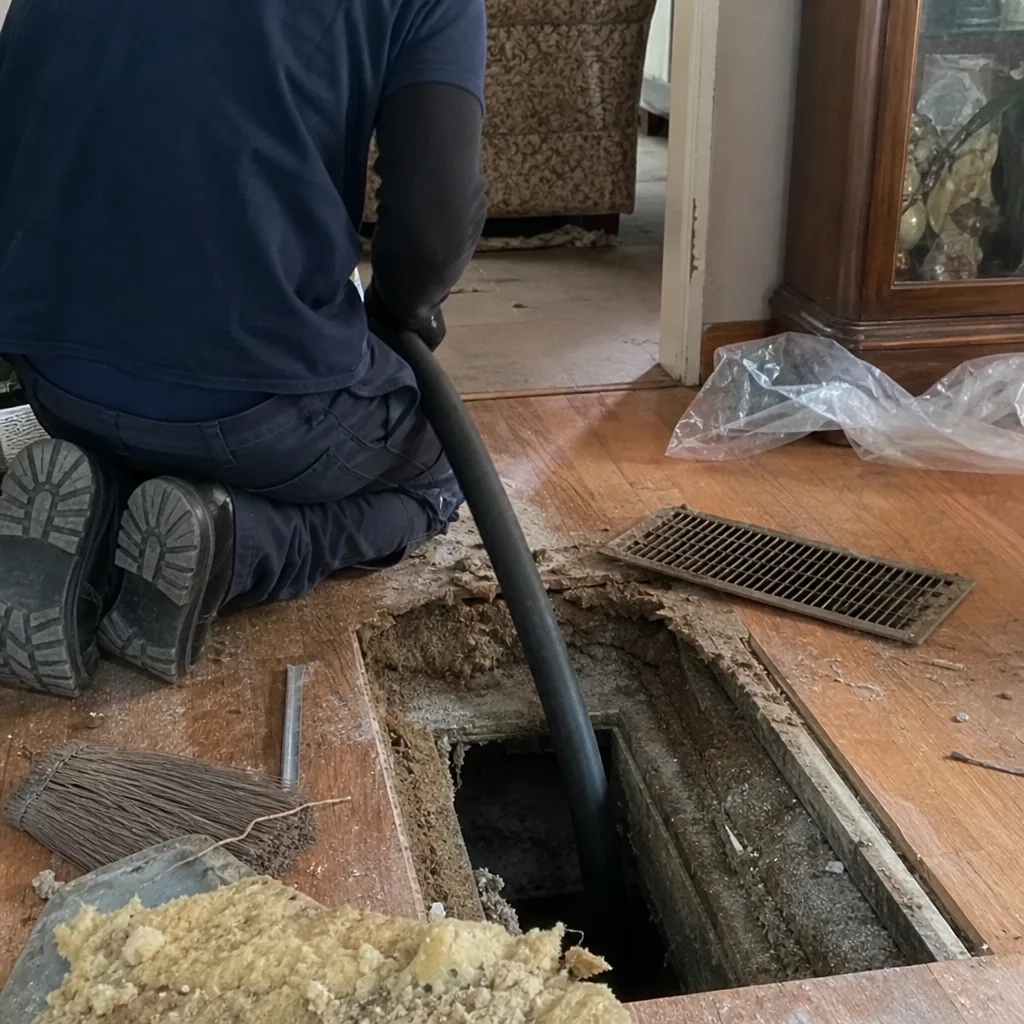 Before
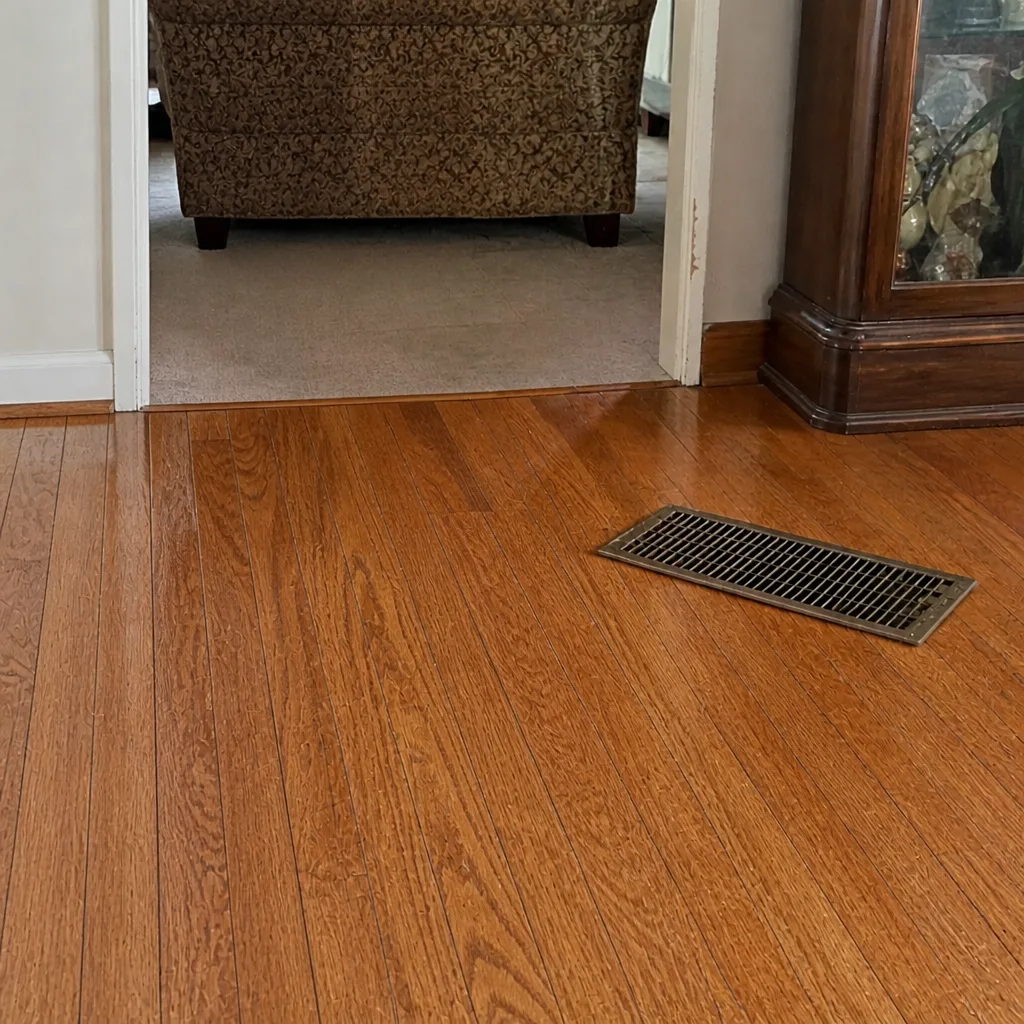 After
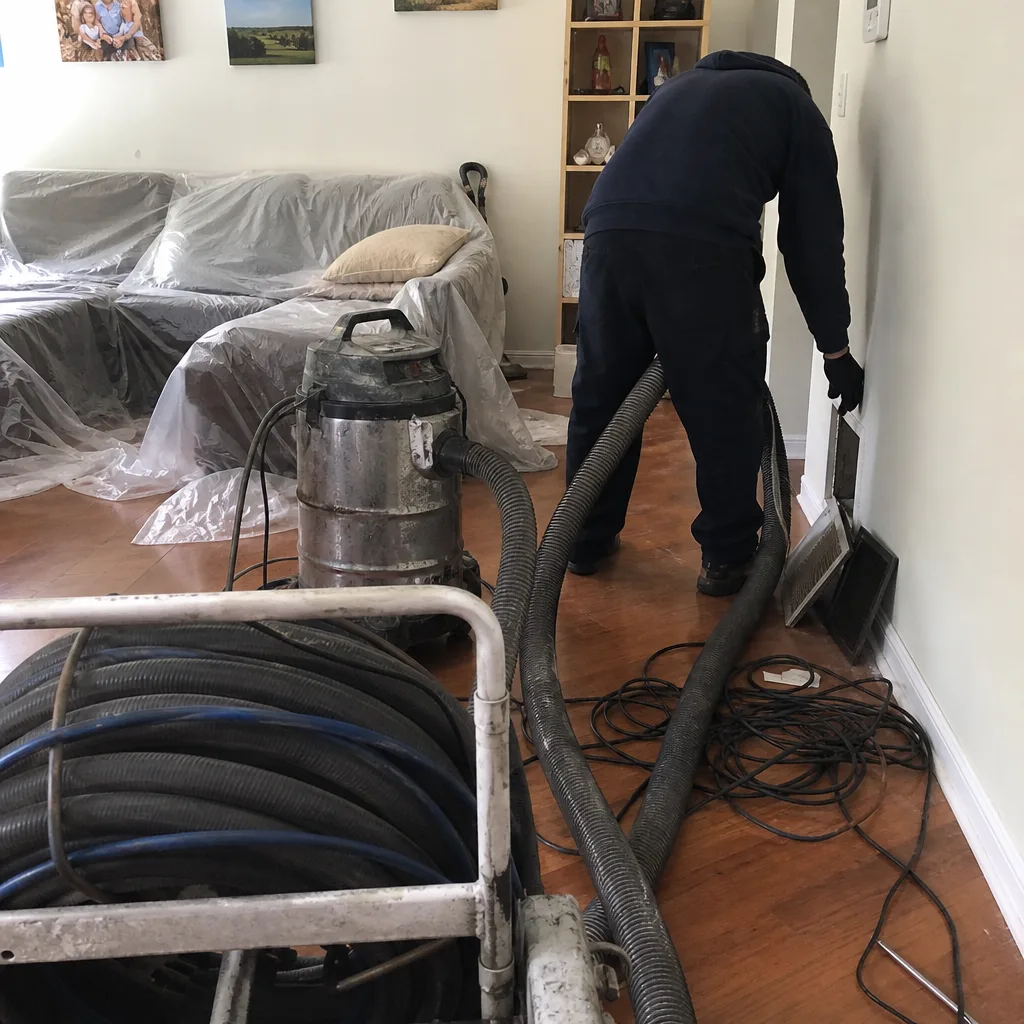 Before
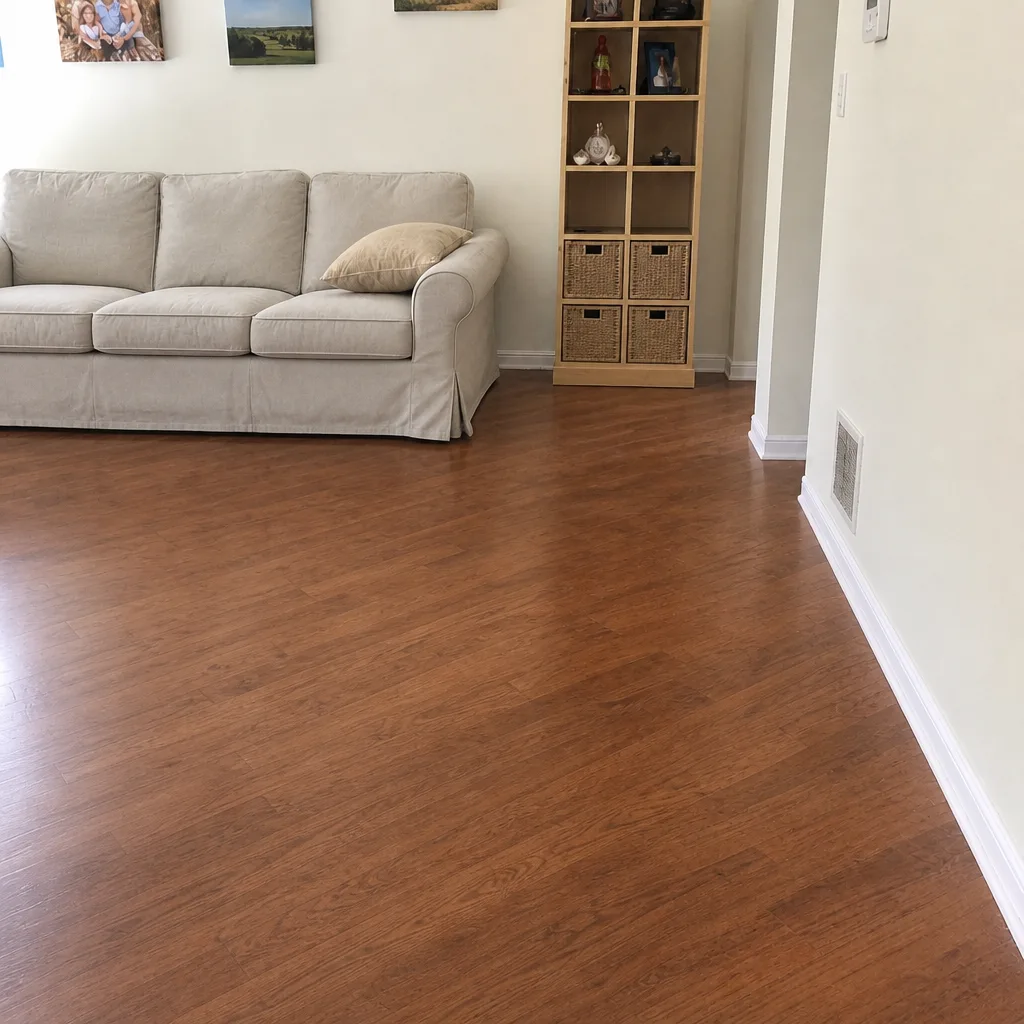 After
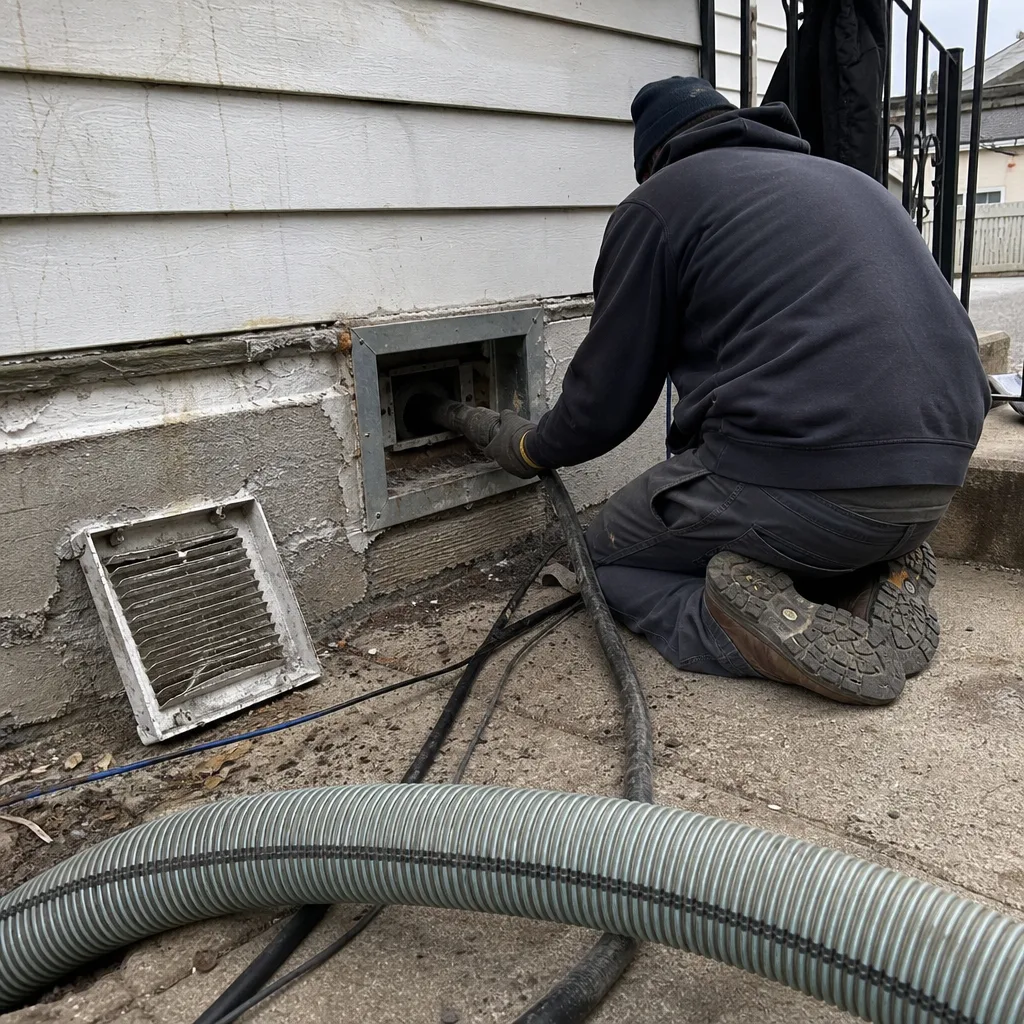 Before
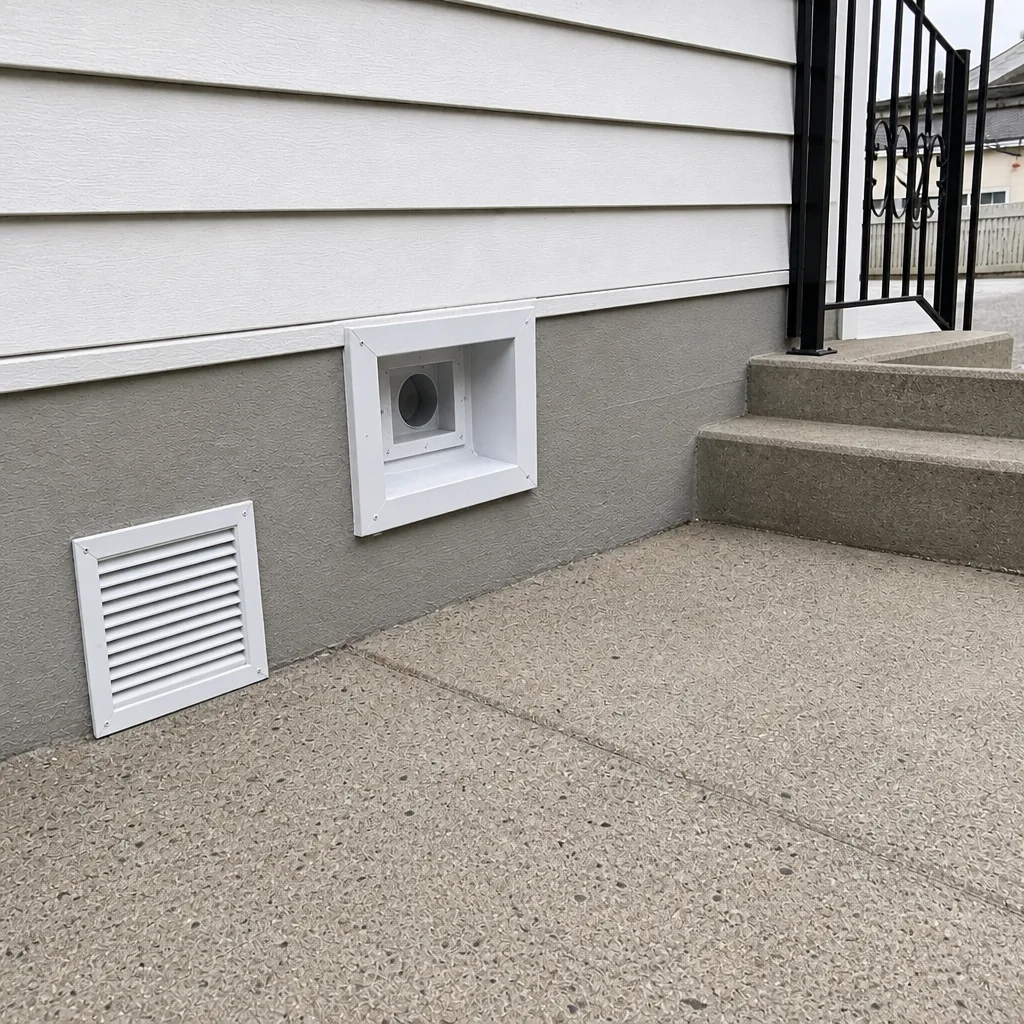 After
When to Call a Professional
Some maintenance tasks you can genuinely do yourself. Duct cleaning isn’t one of them, and neither is dryer vent cleaning on a complicated run. Call a professional when you see visible buildup inside a register, when a musty smell appears when the system runs, when you’ve had a water event or pest intrusion, or when dryer times have crept up over the years. If you’ve recently renovated, a professional cleaning is worth it before the new dust settles into the return system. And if your air quality system isn’t keeping up – filters loading fast, allergy symptoms worse indoors than out – that’s a professional conversation, not a filter swap. Sunnyside Air Duct Cleaning offers free estimates in Sunnyside. Call (877) 792-6029. We answer 24/7. Fast dispatch, 7am-7pm, Sunday through Friday.
Frequently Asked Questions
In the Sunnyside market, a proper full-system cleaning typically falls in a broad middle range, and the exact number depends on the number of runs, the age of the system, and whether sealing, sanitizing, or an air quality upgrade is included. The written estimate sets the final price. We don’t quote per-vent figures or teaser coupons, because per-vent pricing is what turns into the bait-and-switch complaint you’ve heard about. Call (877) 792-6029 for a free estimate – the number you’re given is the number you’re billed.
Cheap quotes are usually cutting one of the four things that make the job real: containment, mechanical agitation, full-system coverage, or documentation. Drop containment and you’re not paying for cleaning – you’re paying for the appearance of cleaning while your furniture gets dusted. The equipment itself is expensive, and the low quote is almost always the quote that skipped it. If two quotes differ by a factor of three, ask both to describe their equipment and containment in writing, and the gap explains itself. Call (877) 792-6029 to compare a real estimate from our team.
Take a phone-camera photo of the inside of one supply duct and one return before service, then repeat at the same register, same angle, after service. Ask the technician for their own before-and-after photos of the plenum and air handler area, and look at them side by side with yours. Anyone who offers a flat “trust us” and no visual proof is telling you something about their process. We show our work as a standing part of the job. Call (877) 792-6029 to book a free estimate.
Most Sunnyside homes in the older building stock sit at a two-to-three year interval, driven by urban particulate, cooking exhaust and the number of imperfections in older ductwork. Newer sealed systems with properly sized filters can go three to five years. Homes that have had a water event, pest intrusion, or visible mold in the ducts should be cleaned sooner and inspected again within a year. If you’re not sure which category you’re in, we’ll tell you honestly at the estimate. Call (877) 792-6029.
The equipment that arrives on site is the equipment we described, and the actual systems we work with are professional-tier: Rotobrush and Nikro for mechanical cleaning, Abatement Technologies for containment, and Honeywell and Aprilaire for air quality systems when those are part of the scope. That’s not the kind of equipment a coupon-driven service can bring, and we don’t ask customers to take our word for it. Ask to see the equipment before it goes in. Call (877) 792-6029.
After. Renovation sends drywall dust, plaster dust and construction debris into the return air, and if the ducts are cleaned before the work starts, the new dust simply re-coats the interior. Cleaning after the final sweep of the renovation, and before new furniture and finishes go in, is the better sequence. If the renovation involved significant wall openings, ask about duct sealing during the visit. Call (877) 792-6029 to schedule a free estimate once the work is done.
The Bottom Line
Duct cleaning in Sunnyside is a job with a verifiable process and a verifiable result. The right service follows NADCA standards, uses professional-grade equipment like Rotobrush, Nikro and Abatement Technologies, and leaves you with before-and-after photos you can compare against your own phone-camera shots. The right schedule is based on the state of your ducts, not a coupon in the mail. And the right service relationship covers the full duct-health lifecycle – cleaning, repair and sealing, sanitizing, and air quality upgrades – so the system stays cleaner after cleaning day. That’s the difference between a receipt and a real result.
If you’re ready for a quote that describes the work in writing, from a team that treats the inside of your duct system like something worth seeing, give us a call. Call (877) 792-6029 for a free estimate. We answer 24/7. Fast dispatch, 7am-7pm, Sunday through Friday. One flat price per system, agreed before work starts, with before-and-after photos of your own ducts at the end. If you want to start with the broader service overview, our Sunnyside Air Duct Cleaning page is the place to begin.
Written by the team at Sunnyside Air Duct Cleaning.