
Last updated November 22, 2026
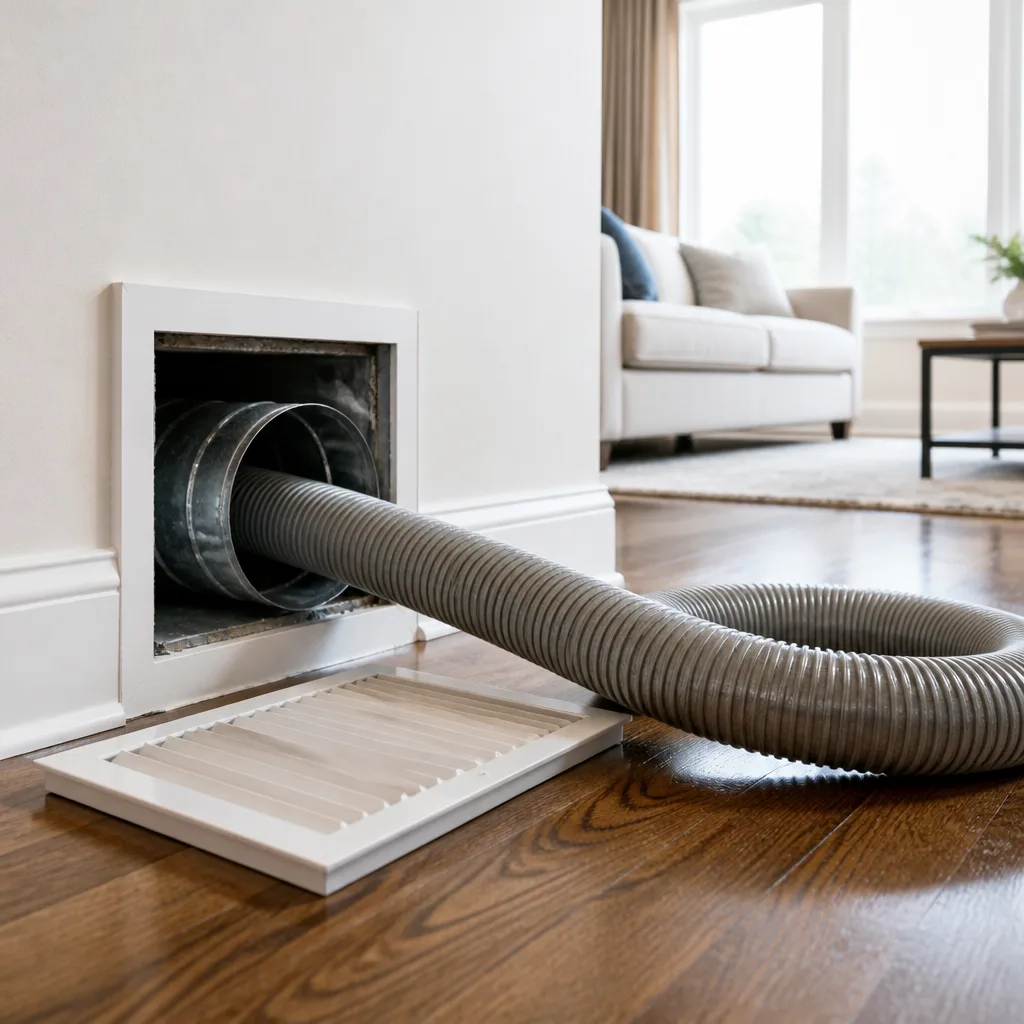 Whole-home duct cleaning
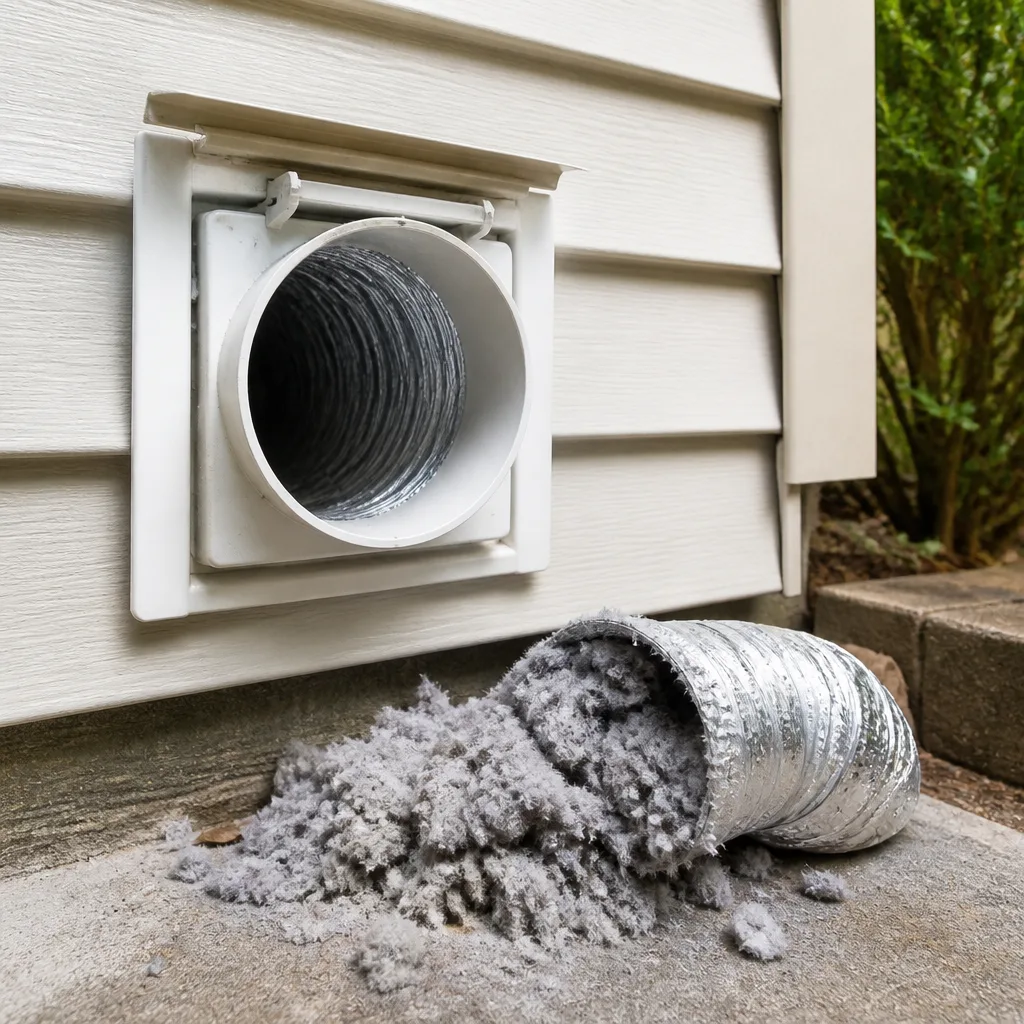 Dryer vent cleaning
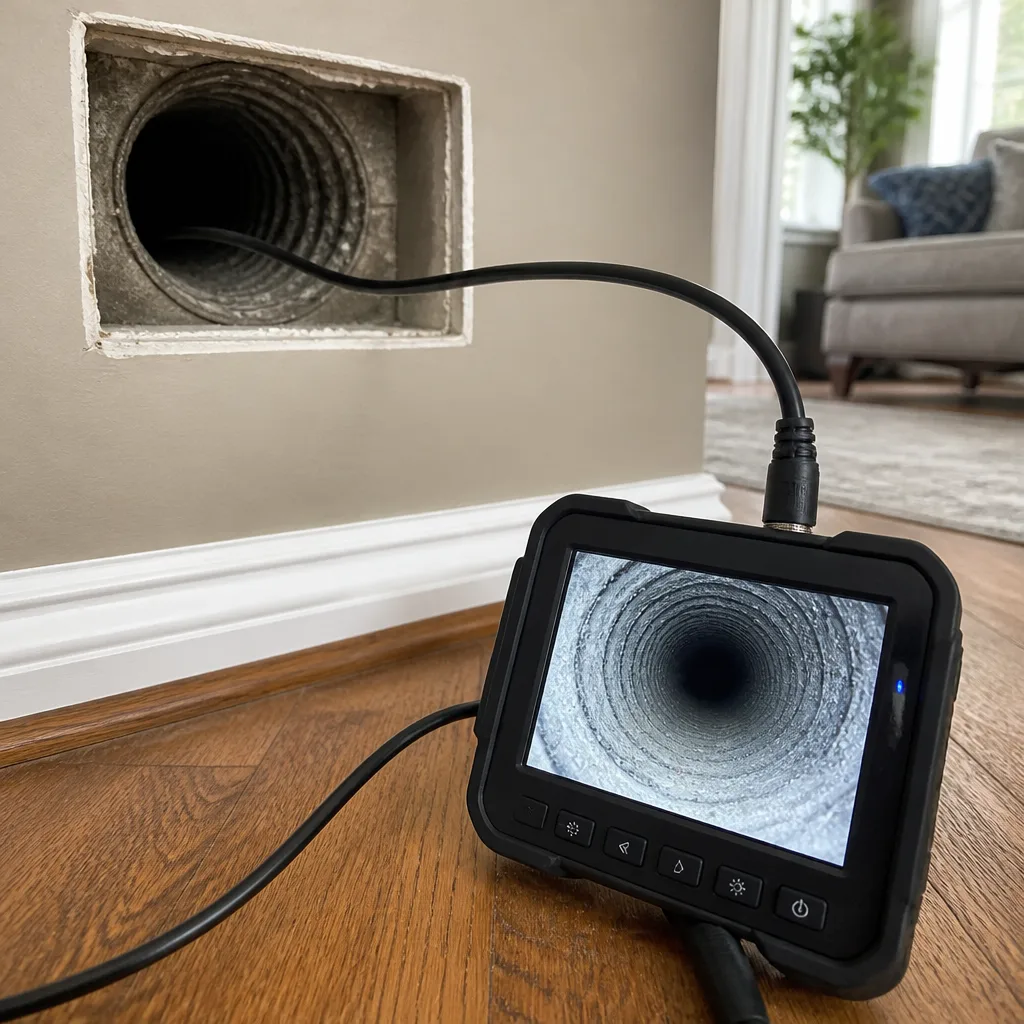 Camera inspection
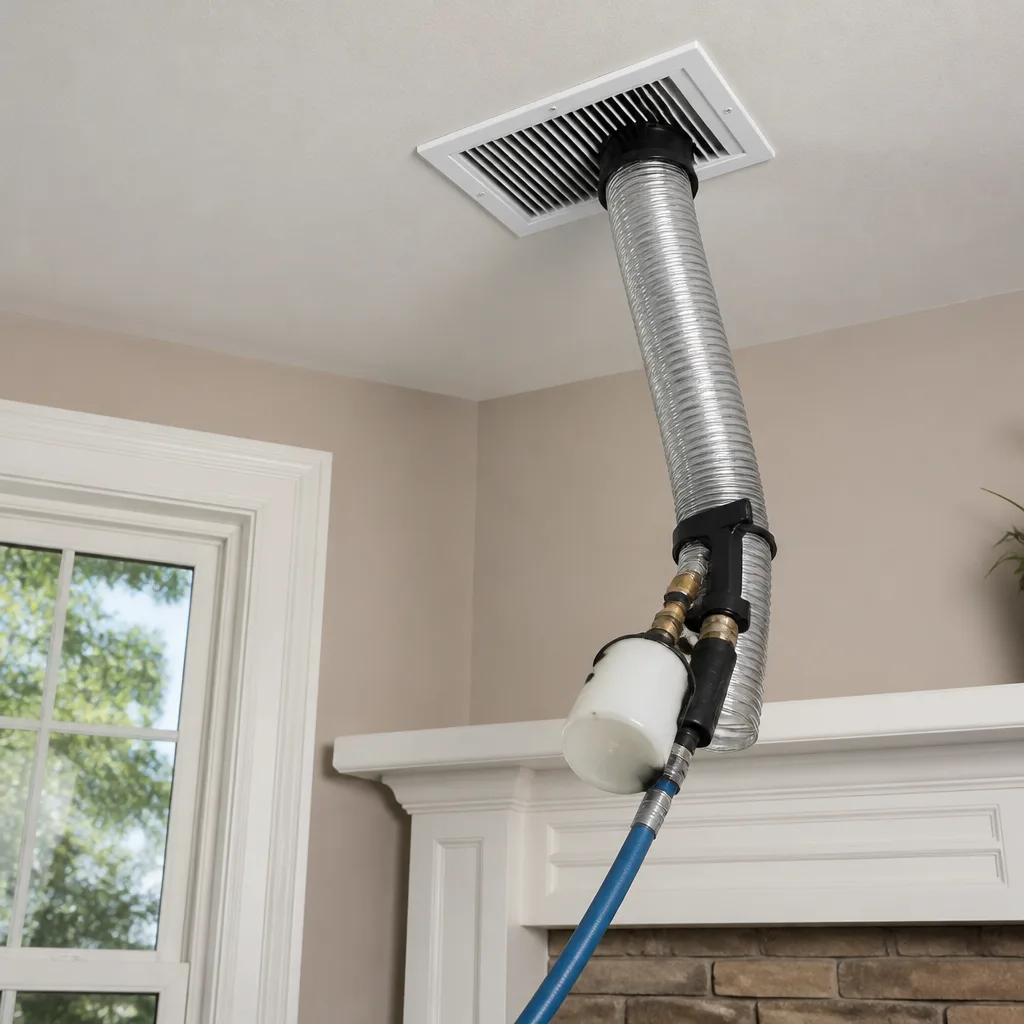 Sanitizing & deodorizing
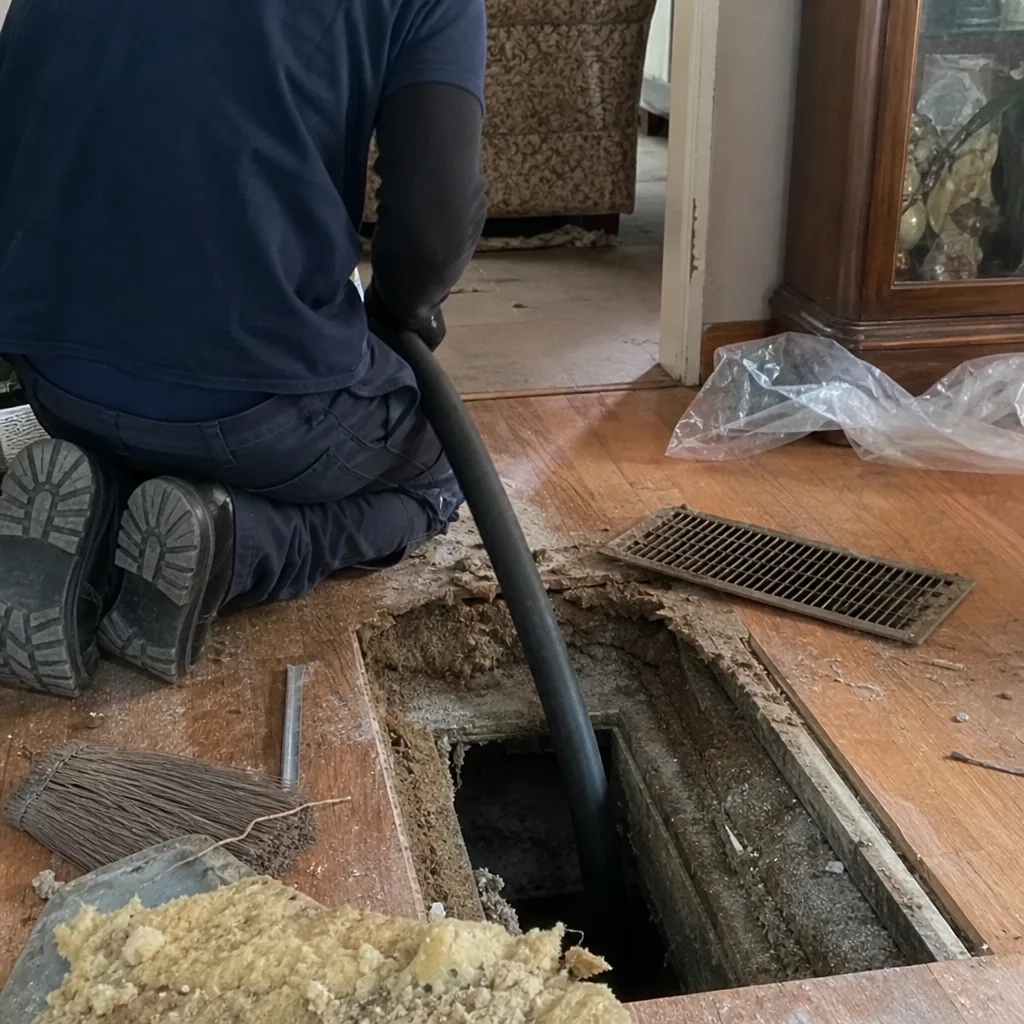
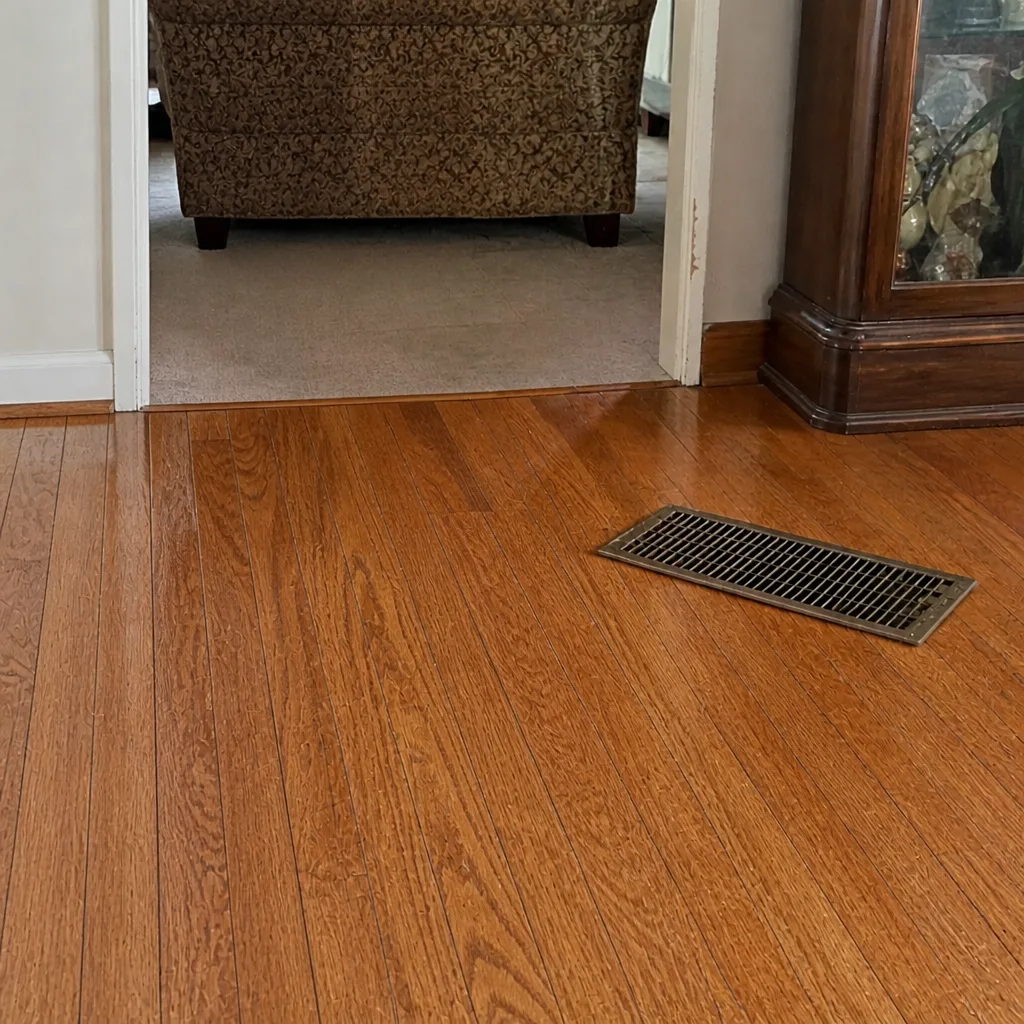
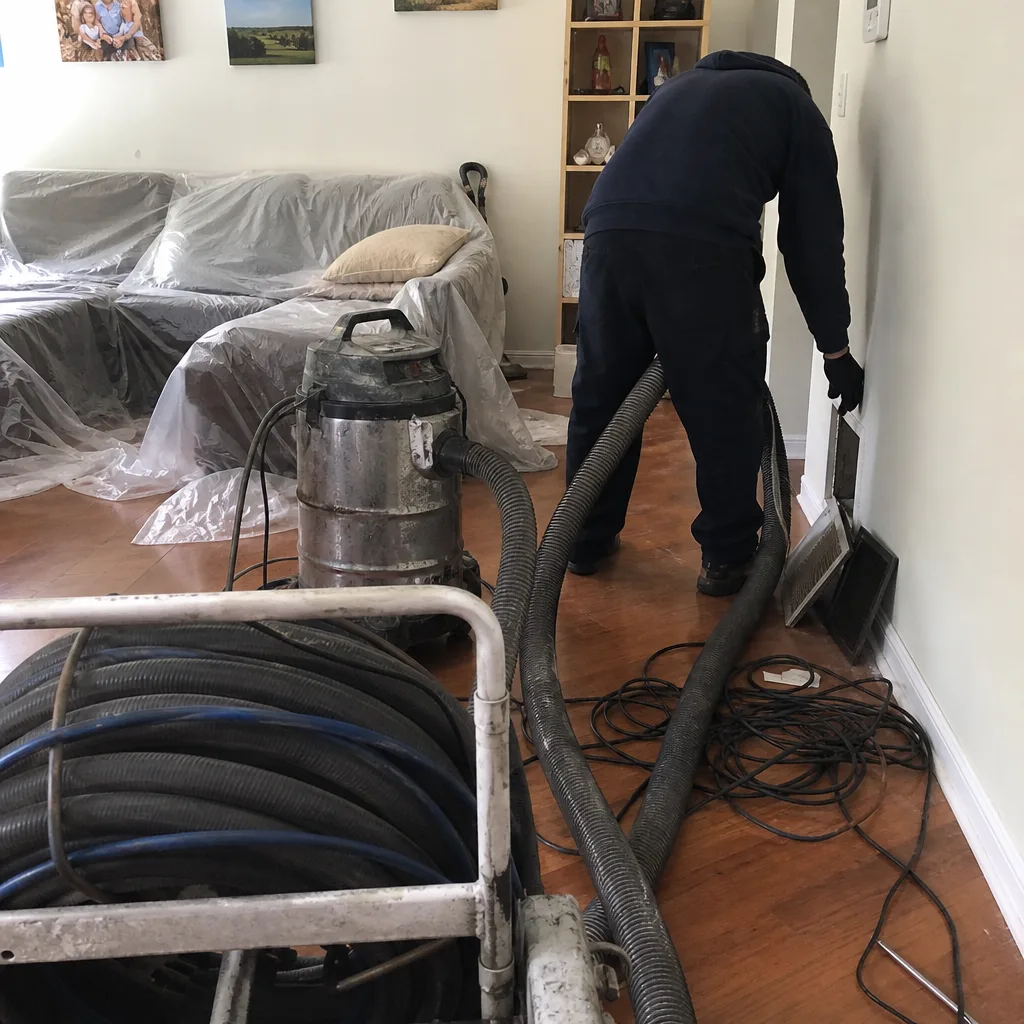
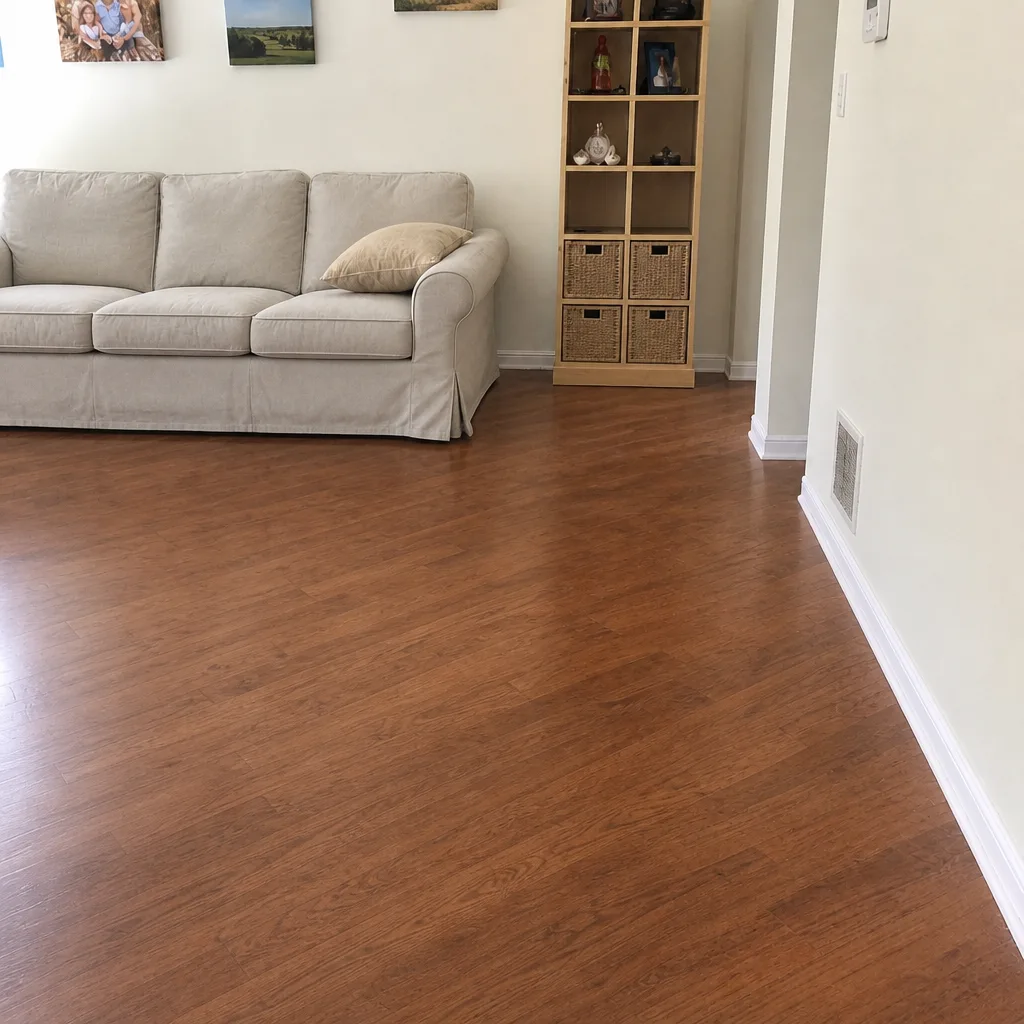
Whole-system duct and dryer vent check with before-and-after photos - you see exactly what came out of your vents
That "$99 whole-house special" is a bait ad - the real number appears once they are in your hallway, or the "clean" is a shop-vac at the register. We photograph the inside of your ducts before and after instead.
Choosing the Right Air Duct Cleaning Brand: A Buyer’s Guide for Sunnyside
Star ratings are a weak signal in this trade. Duct cleaning happens inside walls, above ceilings and behind registers, and the homeowner who pays for it almost never sees the work in progress. That’s an easy environment for a five-star average to grow around a shop-vac and a two-hour visit. The better question isn’t which company in Sunnyside has the best reviews; it’s which company can show you the equipment, explain the process before it starts, and document what came out. This guide gives you a brand-agnostic framework for evaluating any air duct cleaning company in Sunnyside, including Sunnyside Air Duct Cleaning, on standards you can actually check.
Quick Answer
The right air duct cleaning company in Sunnyside is one that uses professional-grade mechanical equipment (not a shop-vac), sets up containment so debris doesn’t spread through your home, offers more than a one-service menu, and can explain its method before it begins. Verify equipment names, ask about negative pressure, and ask to see before-and-after photos of the actual job. Price matters, but equipment and process standards matter more.
Styles & brands we work with
- Whole-home duct cleaning
- Dryer vent cleaning
- Camera inspection
- Sanitizing & deodorizing
Table of Contents
- The Equipment Benchmarks That Separate Pros From Low-Bid Operators
- Why Negative Pressure Is the Test That Matters Most
- How to Read a Company’s Process Transparency
- NADCA Membership and the ACR Standard: What They Actually Require
- The Service Scope Question: Cleaning Alone vs. the Full Lifecycle
- How to Read Before-and-After Documentation Critically
- What Makes a Duct System in Sunnyside Different
- The Ten Questions to Ask Every Company
The Equipment Benchmarks That Separate Pros From Low-Bid Operators
When you call an air duct cleaning company, the first thing worth asking is what equipment will arrive at your door. The answer tells you more than any review score. Consumer-grade vacuums and hand tools push loose dust around a system without removing it. Professional equipment is built to agitate and extract, and it’s the single most reliable dividing line between a real cleaning and a cosmetic one.
Here are the benchmarks to know:
- Truck-mounted vs. portable vacuum systems. Truck-mounted units run a hose from an external power source into the home and generate far more suction than a portable vacuum. Portable professional units still do credible work when paired with proper containment, but they depend on the operator setting them up correctly. Either is acceptable if the operator can explain the setup.
- Brush agitation vs. air whip. Brushes physically dislodge caked-on debris from duct walls. Air whips use compressed air to knock debris loose. Most professional jobs use both, alternating by duct type and condition. A company that uses one exclusively without justification is worth questioning.
- Containment equipment. This is where Abatement Technologies containment systems come in. They create a sealed zone around the work area so debris doesn’t redistribute into living space. If a company arrives without any containment setup, that’s a red flag on process, not just equipment.
- Brand names that mean something. Rotobrush and Nikro are two names you’ll hear from companies that take mechanical cleaning seriously. Both make equipment purpose-built for duct work. A company that can’t name its equipment is usually relying on whatever was on sale.
- Sanitizing products. Guardsman-grade cleaning and protection products are commonly used in the sanitizing stage. Ask what’s applied and why.
Sunnyside Air Duct Cleaning uses Rotobrush and Nikro for mechanical cleaning and Abatement Technologies for containment, and we’re familiar with Honeywell and Aprilaire systems for the air-quality stage. Our technicians have up to 9 years of experience. Those are the kinds of specifics you should get from any company you’re considering.
Why Negative Pressure Is the Test That Matters Most
Negative pressure means the cleaning setup pulls air (and loose debris) toward a vacuum source rather than letting it escape into the room. Without it, a job can look thorough while actually pushing dust into the air you breathe. This is the single most useful question to ask a Sunnyside air duct cleaning company before hiring.
Here’s how a disciplined job runs, step by step:
- Inspect the system first. The technician looks at register conditions, visible ductwork and any flex duct or damaged sections before touching anything.
- Seal and protect. Returns and supply registers are opened in a controlled way, and the vacuum connection is sealed to the trunk line to establish negative pressure.
- Contain the work area. Drop cloths and containment barriers go up around the work zone so nothing escapes into living space.
- Agitate the ducts. Brushes and air whips work from the trunk outward, knocking debris loose while the system maintains suction.
- Extract. Loose debris is pulled into the vacuum system and removed from the home.
- Verify. Documentation photos are taken before and after. The technician explains what came out and what remains.
You don’t need to run any of this yourself. But you should hear these steps described before a company starts, and you should know what negative pressure is so you can ask. If a company can’t explain containment, that’s the answer.
How to Read a Company’s Process Transparency
Process transparency is a phrase that gets used loosely. It really means two things: whether the company explains what it’s doing before it does it, and whether it can show you what happened afterward. A company that shows up, runs equipment for 90 minutes and takes a check is not the same as one that walks you through the job.
Here’s what genuine transparency looks like:
- A pre-job walkthrough. Before any equipment goes in, the technician walks the system and explains what’s being cleaned and why.
- A named method. They can name their equipment, describe the containment setup, and say what sanitizing product is used if any.
- Before-and-after photos. Photos of your actual ductwork, taken during the job, not stock imagery.
- A post-job recap. A short explanation of what was removed and what to watch for in the coming months.
- No pressure. A transparent company doesn’t upsell sanitizing or air-quality add-ons mid-job unless they explained them upfront.
We’ve seen jobs where the homeowner paid for “a full clean” and never saw a single photo. That’s not fraud; that’s just a bad standard. When you ask a company in Sunnyside to show its work, and it can’t, you’ve learned something.
NADCA Membership and the ACR Standard: What They Actually Require
The National Air Duct Cleaners Association (NADCA) publishes the ACR standard, which is the accepted industry benchmark for how residential duct cleaning should be performed. It’s not a law and it doesn’t replace local code, but it’s the document a serious company benchmarks against. Asking a company whether it follows the ACR standard is a fair question, and the answer is a useful quality signal.
In broad terms, the ACR standard covers:
- Source removal: contaminants removed from the system, not just agitated.
- Containment of the work area to prevent redistribution.
- Negative pressure during cleaning.
- Post-cleaning verification and documentation.
- Care for HVAC components to avoid damage during cleaning.
How to verify: ask the company directly, and ask what it does to meet each standard. NADCA membership is one signal, but the standard itself is the thing that matters. A company that can recite the ACR sections and explain its own compliance is more credible than one that lists membership and stops there. If a company doesn’t follow the standard, that’s fine, but it should tell you what it does instead and how that’s just as careful.
The same thinking applies to the other half of home ventilation covered in our guide to dryer vent cleaning: any company working on exhaust paths should be able to describe its containment and verification approach.
The Service Scope Question: Cleaning Alone vs. the Full Lifecycle
Ducts get dirty for reasons that cleaning alone doesn’t fix. Loose joints leak, damaged sections shed fiberglass, and low-airflow rooms keep dust gathering near registers long after a cleaning. A company that only cleans is treating symptoms. A company that offers sealing, repair, sanitizing and air-quality work is treating the whole system, and that breadth usually signals real expertise.
Ask which of these a company offers:
- Cleaning – trunk lines, supply and return ducts, registers.
- Sanitizing – application of a treatment to reduce microbial growth on duct surfaces (not a substitute for cleaning).
- Duct repair and sealing – closing leaks and gaps that let dust and unconditioned air into the system.
- HVAC cleaning – the blower and coil assemblies that push air through the ducts (explained further in our page on HVAC cleaning).
- Dryer vent cleaning – a parallel service with a fire-safety dimension.
- Air-quality upgrades – filtration and humidification systems such as Honeywell and Aprilaire, installed so the cleaner duct stays cleaner.
A single-company relationship across that lifecycle is simpler to manage and easier to hold accountable. When the cleaning and the sealing and the filtration are done by one team, no one can point the finger at the previous contractor when the duct gets dirty again.
How to Read Before-and-After Documentation Critically
Photos are only useful if they’re actually of your system. A company that shows you a beautiful gallery of shiny ductwork on its website may have taken those pictures in another home, or may have staged them. Good documentation looks specific and a little unglamorous.
Here’s what to look for:
- Your system, not a gallery. The photos should show your registers, your trunk line, your flex runs, not a brand showcase.
- Same angle before and after. A good photo pair shows the same section from the same position, so you can actually compare.
- Visible register grilles. If the registers in the photos don’t match yours, they’re not your ducts.
- Detail shots. Close-ups of transitions, plenum edges and any damaged sections. Broad room shots don’t show ductwork.
- A reasonable set. A handful of honest shots is more credible than 40 polished images from one job.
Site galleries are fine as a signal of how the company works. But the documentation that counts happens on your job. Ask for it upfront, before any equipment comes through the door.
What Makes a Duct System in Sunnyside Different
Sunnyside is a dense, older neighborhood full of multi-family homes, co-ops and pre-war buildings. Systems here tend to be shorter, more compact and more often retrofitted than in a newer suburb, which affects what a proper cleaning looks like. A home in Sunnyside with original ductwork from decades past may have flex duct sections, tight transitions and registers that have never been pulled. A contractor who’s familiar with this building stock knows to inspect those runs carefully before cleaning.
The local climate also matters. New York City summers are humid and winters are cold and dry, and duct systems here cycle through a broad range of conditions every year. That cycling is hard on seals and joints, which is one reason duct sealing and repair matter as much here as cleaning. Homes with window-unit-heavy cooling and central heating see airflow patterns that push dust toward particular rooms; a cleaning that ignores those patterns wastes effort.
Property managers and landlords in Sunnyside have additional considerations. Documented service is worth more than a quick clean when tenants are involved, because the photos and written record matter for records and disputes. That’s part of why we frame Sunnyside Air Duct Cleaning around documentation rather than just a receipt.
The Ten Questions to Ask Every Company
Here’s a script you can use with any company, in Sunnyside or anywhere else. The answers tell you more than any star rating.
- What equipment will you use? Look for named professional brands. Rotobrush, Nikro and Abatement Technologies are answers that signal seriousness.
- Do you set up containment? If the answer is a shrug, that’s an answer.
- How do you establish negative pressure? They should be able to describe the setup in plain terms.
- Do you follow the ACR standard? Ask what that means in their process.
- What does the cleaning actually include? Trunk, supply, return, registers, blower, coil – get the list.
- Will you show me before-and-after photos? Photos of your actual system, not a gallery.
- Do you offer sealing, repair and sanitizing? Full lifecycle vs. cleaning only.
- What sanitizing products do you use? Guardsman-grade and similar products should be named, not vaguely described.
- What does the estimate include? Get it in writing, with a fixed per-system price.
- Who will be doing the work? Confirm the company that quotes the job is the company that shows up.
Any company that struggles to answer three or four of these is telling you something. Call (877) 792-6029 for a free estimate from Sunnyside Air Duct Cleaning if you’d rather skip the triage and talk to someone directly. We answer 24/7. Fast dispatch from 7am to 7pm, Sunday through Friday.
Common Mistakes to Avoid
- Hiring on price alone. The cheapest quote in Sunnyside almost always reflects the lowest equipment tier. A cheap clean that doesn’t actually clean costs more when you pay for a second job.
- Taking a phone quote as the final price. Get the price per system in writing before work begins. A phone estimate that changes on-site is a warning sign.
- Skipping the pre-job walkthrough. If the technician doesn’t explain what’s being done, ask. You’re paying for the explanation as much as the vacuuming.
- Trusting stock photography. A gallery on a website can be outsourced, borrowed or staged. Ask for photos of your own system.
- Believing a single-service shop can solve a whole-home problem. If your ductwork leaks, a cleaning alone won’t fix it. Look for a company that can seal and repair too.
- Ignoring the dryer vent. Duct cleaning doesn’t touch the dryer vent, but it’s part of the same air-movement health of a home. Many homeowners in Sunnyside schedule both at once.
- Over-relying on star ratings. In a trade where work happens out of sight, a five-star average can mean “they were polite and on time.” It’s not a measurement of cleaning quality.
- Skipping the second cleaning. Most homes need duct cleaning every few years, and at least one company in Sunnyside treats it as a one-time event. Regular service is the right rhythm.
See the difference
 Before
 After
 Before
 After
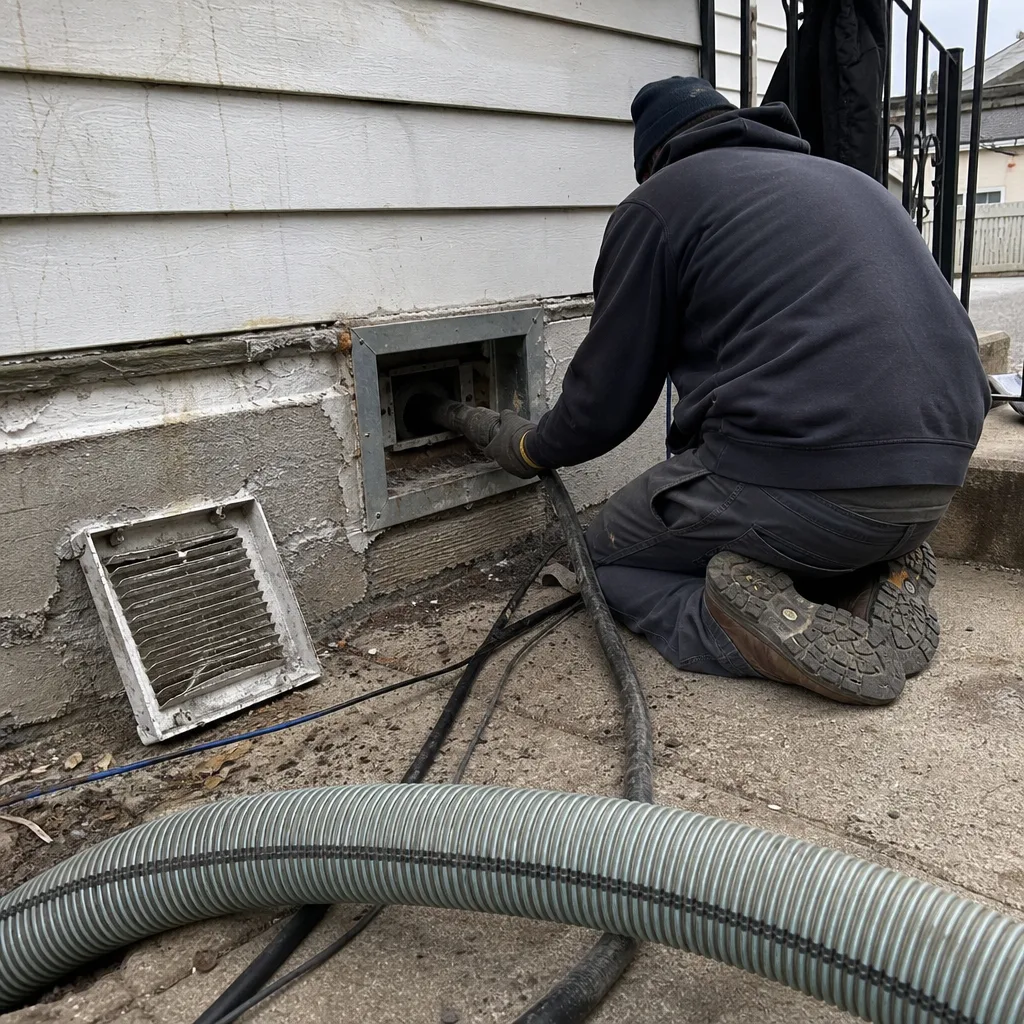 Before
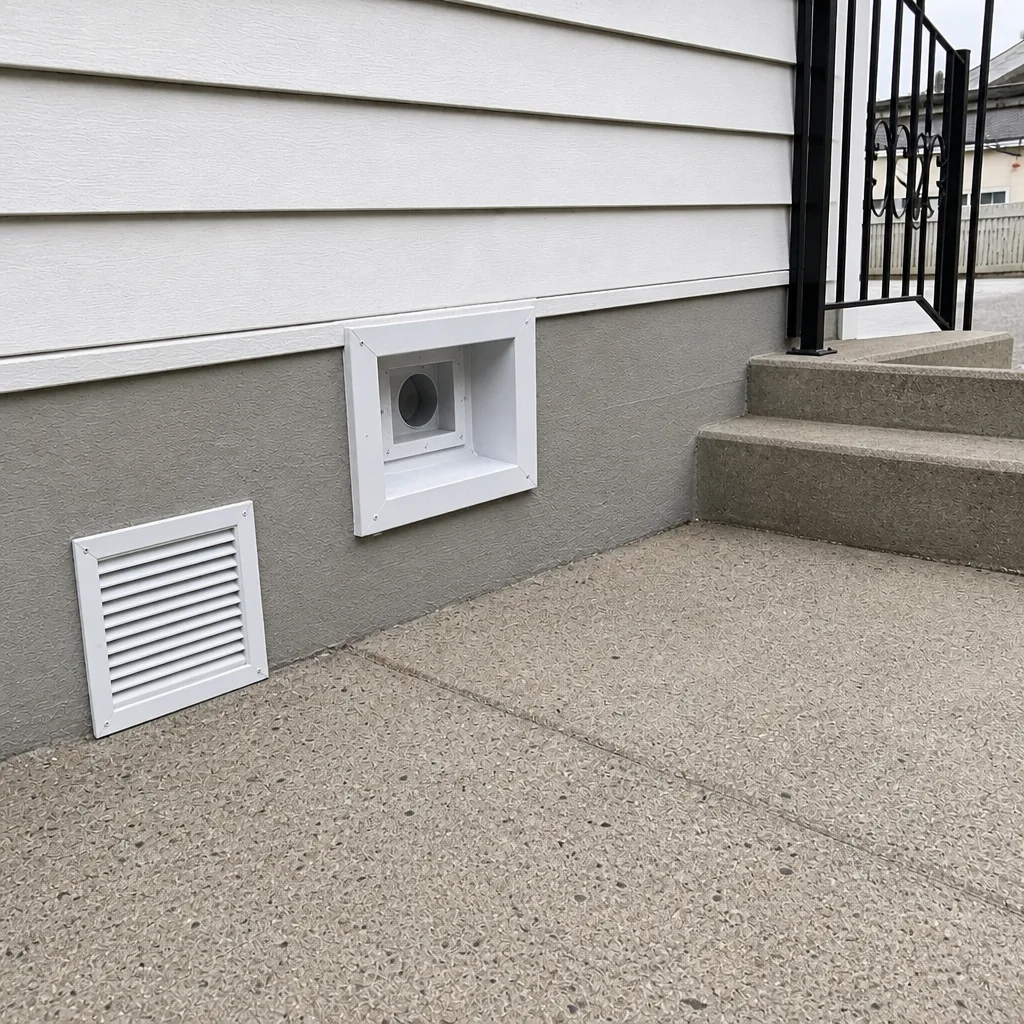 After
When to Call a Professional
Some duct issues are worth a call even if you’ve never had the system cleaned. If you’ve recently moved into a Sunnyside home and don’t know the service history, a cleaning and inspection is a sensible starting point. If anyone in the home has asthma or allergies that get worse indoors, a cleaning can help clarify the picture. If you notice visible dust streaking around registers, a musty smell when the heat or AC kicks on, or a noticeable drop in airflow in some rooms, those are worth an inspection. If you’ve finished a renovation, cleaning is standard practice to remove construction dust from the system. If your dryer vent hasn’t been checked in several years, that’s a separate call worth making. Sunnyside Air Duct Cleaning offers free estimates in Sunnyside – call (877) 792-6029. We answer 24/7. Fast dispatch from 7am to 7pm, Sunday through Friday.
Frequently Asked Questions
The most reliable check is photographic documentation of your own system, taken before and after at matching angles. Ask for the photos before work starts, and ask the technician to show you the sections that got the most attention. If a company can produce photos of your actual registers and trunk line, the work was almost certainly done as described. If it can’t or won’t, ask why. Call (877) 792-6029 for an exact quote – estimates are free.
Not directly. Price varies widely because equipment tiers vary widely, and a company charging half the going rate in Sunnyside may be running a portable vacuum and a two-hour visit. A more reliable comparison is what you get for the price: named equipment, containment setup, negative pressure, before-and-after photos and a written scope. Ask each company to clarify those. The written estimate should set the final price, not a range that shifts once the truck is in the driveway.
NADCA is the National Air Duct Cleaners Association, and it publishes the ACR standard, the accepted benchmark for residential duct cleaning. Membership signals that the company participates in that community. It doesn’t guarantee a specific standard on every job. The better check is to ask the company directly how it meets the ACR standard in its process. If it can’t name the sections and describe its own compliance, treat that as a signal.
Not usually. When a company sets up proper containment, you can typically stay in the home while work is happening. Confirm with the company beforehand, and ask where the containment boundaries will be. In a small Sunnyside apartment, ask where the equipment will sit and how the doorways will be handled. That’s a fair logistical question, and a company that’s done this work in Sunnyside buildings will have an answer ready.
Most homes need it every few years, though frequency varies with the home and the system. Recent renovation, pets, allergy-sensitive occupants, and visible dust around registers can shorten the interval. Homes in older Sunnyside buildings with retrofitted systems sometimes benefit from more frequent inspection because duct conditions can change. A free estimate call is the easiest way to get a specific answer for your home.
Cheap quotes usually reflect two things: lower-tier equipment and a shorter process. A company running a consumer-grade vacuum and skipping containment can clean a small apartment in an hour and still call it a duct cleaning. What it can’t do is remove the same volume of debris from the trunk line or document what came out. That’s not a criticism of any particular company; it’s an equipment fact. If price is your main concern, ask what equipment and process that price buys. Call (877) 792-6029 for an exact quote – estimates are free.
If an inspection finds leaks or gaps in the ductwork, sealing them at the same time as cleaning is usually the sensible sequence. Cleaning a system that leaks just means re-polluting it through open joints. A company that does both can schedule them together and document the whole job. If your system is in good shape, cleaning alone may be all you need. The written estimate will clarify what’s necessary.
The Bottom Line
Choosing an air duct cleaning company in Sunnyside comes down to a few specifics: named professional equipment, containment, negative pressure, documented before-and-after photos, an ACR-aligned process, and a scope that can extend from cleaning to sealing and air-quality upgrades. Star ratings are a weak signal; you can’t verify the work from a review. The framework here lets you ask better questions and get better answers from any company, including Sunnyside Air Duct Cleaning. We offer professional-grade equipment, transparent process and free estimates – and we’re happy to be evaluated against every benchmark in this guide alongside anyone else you’re considering. Call (877) 792-6029. We answer 24/7. Fast dispatch from 7am to 7pm, Sunday through Friday.
Written by the team at Sunnyside Air Duct Cleaning.